![Kill 2026 Crabgrass without Chemicals [Vinegar Method]](https://lawnmajesty.com/wp-content/uploads/2026/05/Kill-2026-Crabgrass-without-Chemicals-Vinegar-Method.jpeg)
Kill 2026 Crabgrass without Chemicals [Vinegar Method]
The Forensic Autopsy of a Scorched Lawn
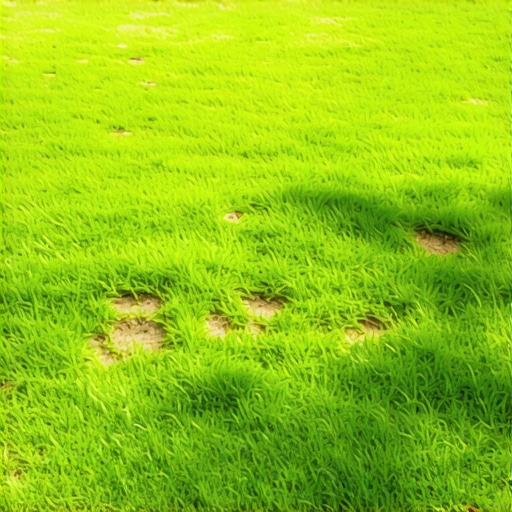
You see the yellowing blades, the sour smell of acetic acid, and the dead patches of fescue that look like they were hit with a blowtorch. A homeowner called me in a panic last season after they completely torched their front lawn by applying a high-concentration horticultural vinegar during a 90-degree heatwave. They thought ‘natural’ meant ‘safe.’ It does not. They didn’t just kill the Digitaria sanguinalis; they sterilized the top two inches of their sandy loam soil and wiped out a decade of microbial activity. This is the reality of DIY organic weed control when you don’t understand botany and soil chemistry. Most people fail because they use grocery store vinegar, which is only 5% acidity. That is for salad, not landscaping. To actually kill 2026 crabgrass, you need a strategy rooted in agronomy, not wishful thinking. Soil doesn’t lie.
Why Vinegar Fails Without the Right Horticultural Strategy
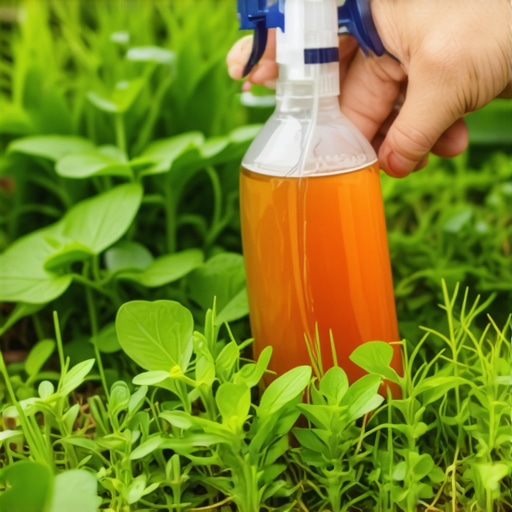
To effectively kill crabgrass using vinegar, you must use horticultural-grade acetic acid (20% or higher) and apply it during the seedling stage of the crabgrass lifecycle for maximum cell membrane disruption. This method requires a surfactant like orange oil or castile soap to break the surface tension of the waxy plant cuticle. Vinegar is a non-selective herbicide. It does not care if it is hitting a weed or your $400 ornamental grass. It works by desiccating the foliage, essentially sucking the moisture out of the plant cells on contact. It is not systemic. It will not travel down to the roots of a mature, tillering crabgrass plant. This is why timing is everything in lawn care. If you wait until August when the crabgrass has three tillers and a hardened root system, you are just giving it a haircut. It will grow back.
“Acetic acid is most effective on small annual weeds (less than 2 inches tall or within 2 weeks of germination). Higher concentrations (20%) provide better control but require extreme caution due to their corrosive nature.” – University of Maryland Extension
[IMAGE_PLACEHOLDER]
How much vinegar does it take to kill crabgrass?
For a standard 1,000 square foot infestation, you will need approximately 2 gallons of 20% acetic acid solution mixed with 2 ounces of a non-ionic surfactant. Do not dilute the vinegar with water or you will drop the acidity below the lethal threshold for weed control. You need to saturate the crown of the plant where the growth originates. Small droplets won’t do it. You need a low-pressure sprayer (15-20 PSI) to prevent herbicide drift onto your garden design elements. One gallon covers roughly 500 square feet of spot treatment. It is a precision strike, not a carpet bomb.
Will horticultural vinegar ruin my soil pH?
Applying horticultural vinegar will cause a temporary, localized drop in soil pH within the top half-inch of the soil profile, but the buffering capacity of most clay or loam soils will neutralize the acidity within 48 to 72 hours. However, repeated applications on the same spot can lead to cation leaching, specifically stripping calcium and magnesium from the soil colloids. If you are serious about landscaping, you should always follow a heavy vinegar treatment with a light application of pelletized lime to stabilize the soil biology. Don’t guess. Test.
The Biology of the 2026 Crabgrass Invasion
Crabgrass is an opportunistic colonizer. It thrives in compacted soil with low nitrogen levels and high phosphorus. When I walk onto a property covered in crabgrass, I don’t just see weeds; I see poor soil structure and hydrostatic issues. The seeds are currently sitting in your soil, waiting for the 2026 season. They require light and a soil temperature of consistently 55 degrees Fahrenheit to germinate. If your lawn is thin or you scalp your grass at 2 inches, you are basically rolling out a red carpet for them. Lawn care is a game of competition. You win by making the environment hostile for weeds and hospitable for turfgrass.
| Treatment Method | Active Ingredient | Application Timing | Efficacy Rate |
|---|---|---|---|
| Grocery Vinegar | 5% Acetic Acid | Post-emergent | 15% (Ineffective) |
| Horticultural Vinegar | 20-30% Acetic Acid | Early Post-emergent | 85% on seedlings |
| Corn Gluten Meal | Proteins/Dipeptides | Pre-emergent | 60% (Requires timing) |
| Flame Weeding | Thermal Heat | Post-emergent | 95% (Risk of fire) |
The Professional Eradication Checklist
- Soil Compaction Check: Use a penetrometer or a screwdriver. If you can’t push it 6 inches deep, your roots can’t breathe, but crabgrass can.
- Mowing Height: Set your deck to 3.5 or 4 inches. Shade out the weed seeds before they can see the sun.
- Concentration: Only use 20% acetic acid. 5% is a waste of time and labor.
- Surfactant: Mix in 1 tablespoon of dish soap per gallon. Without it, the vinegar just beads off the leaf.
- Weather Window: Apply on a sunny day above 70 degrees. Sunlight accelerates the phototoxicity.
“The presence of crabgrass is often a symptom of underlying soil issues, such as excessive compaction or improper irrigation cycles that favor shallow-rooted annuals over deep-rooted perennials.” – Penn State Center for Turfgrass Science
The Ground-Up Remediation Process
If you want to kill 2026 crabgrass without chemicals, you have to start the forensic autopsy of your yard now. First, check your calcium-to-magnesium ratio. High magnesium levels often lead to tight, compacted soils where crabgrass thrives. If your soil is ‘tight,’ use gypsum to displace the magnesium and open up pore space for oxygen. This is engineering at the molecular level. Next, look at your irrigation. Stop watering for 10 minutes every day. That is ‘mow-and-blow’ hack behavior. You need deep, infrequent watering—1 inch per week in a single session—to force your perennial ryegrass or fescue roots to chase the moisture down 8 inches. Crabgrass has a shallow fibrous root system. It cannot survive a drought. Your turf can. If you starve the weed of surface moisture, the vinegar method becomes a secondary cleanup tool rather than a primary weapon. It will work. But only if you do the work first. Use a core aerator in the fall of 2025 to reduce thatch layers and get oxygen to the rhizosphere. This is how pros manage high-end estates without synthetic herbicides. It is about ecosystem management, not just spraying.
![Fix Patchy Bermuda: 3 Nitrogen Timing Rules [2026]](https://lawnmajesty.com/wp-content/uploads/2026/06/Fix-Patchy-Bermuda-3-Nitrogen-Timing-Rules-2026.jpeg)