I vividly remember the exact moment I realized my pruning missteps were jeopardizing my privacy hedge. It was a sunny Saturday, and I was eager to shape my shrubs perfectly, only to end up with scraggly, overgrown messes that left me more exposed than ever. That lightbulb moment hit hard: I’d been making critical pruning mistakes without even realizing how much damage they could cause in the long run.
If you’re like me, you value your outdoor space—your privacy, your garden’s health, and the aesthetic appeal. But what if the very pruning practices supposed to keep your hedge thriving are secretly sabotaging your 2026 privacy goals? That’s exactly what I want to help you prevent today. In this post, we’ll uncover the four most common pruning mistakes that can kill your shrubs and, ultimately, threaten your privacy aspirations.
Get It Wrong, and Your Hedge Won’t Make It to 2026
Pruning is more than just trimming branches; it’s about guiding healthy growth and ensuring your hedge remains dense and tall enough for privacy. But even seasoned gardeners stumble if they don’t know the common pitfalls. A significant mistake I once made was pruning too aggressively in the wrong season, thinking it would stimulate faster growth. Instead, I weakened the plants, leaving them vulnerable to pests and disease—problems that could have been avoided with proper timing and technique.
Proper pruning can dramatically improve your privacy hedge’s lifespan and appearance. If you’re unsure whether your current practices are setting you up for success or failure, now is the perfect time to reassess. And don’t worry—I’ll walk you through the essential tips to avoid these costly mistakes.
Is Pruning Your Shrubs Actually Worth the Hype?
You might be skeptical—after all, trimming seems straightforward. But I’ve learned that improper pruning can do more harm than good, leading to weak, leggy growth or even killing the plant outright. A common mistake early in my gardening journey was neglecting to research the specific pruning needs of my shrubs, which sometimes resulted in severe damage.
It’s easy to underestimate how sensitive shrubs can be—especially when it comes to timing and technique. For more insights on how to keep your hedge healthy, check out this guide on effective hardscaping strategies that boost outdoor resilience in 2025. Remember, making informed decisions now will secure the privacy and beauty your hedge provides for years to come.
Identify Your Shrubs’ Unique Needs
Before making any cuts, assess each shrub’s species—some prefer a light trim, others thrive with hard pruning. For example, boxwoods respond well to shaping, while hollies may need selective removal of invasive branches. Think of pruning like tuning a musical instrument—each string or reed requires a different touch. Recall a time I mistakenly pruned my privet hedge during late summer, resulting in weak growth; since then, I focused on research to avoid repeating such errors.
Use Sharp Tools for Smooth Cuts
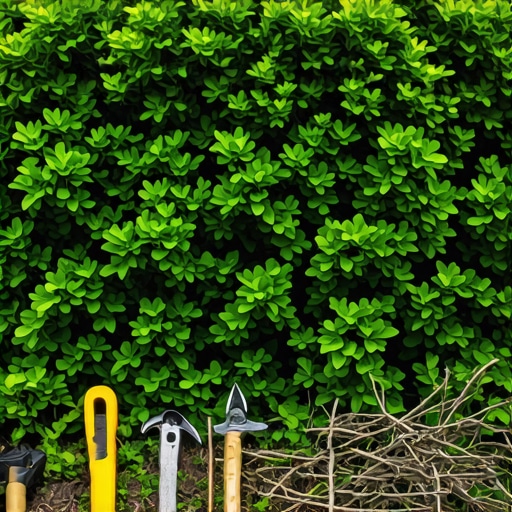
Equip yourself with clean, sharp pruning shears or loppers. Dull blades crush the stems, creating open wounds vulnerable to pests. Think of it as roofing tiles—clean cuts ensure better healing. I once used dull scissors, which tore the branches and slowed recovery. After upgrading my tools, I saw immediate improvement in plant health and reduced disease.
Practice Proper Cutting Techniques
Make angled cuts just above a leaf node or bud, directing new growth outward. This encourages a dense, bushy canopy. Visualize shaping your hedge like sculpting clay—small adjustments matter. During my last trimming, I cut too flat, leading to an unsightly, sparse appearance. Now, I cut precisely, promoting fuller, taller growth for privacy.
Trim in the Right Season
Avoid pruning during active growth or late fall; that can stress the plant. Early spring or late winter are optimal for most shrubs. Think of it like planting a garden—you wouldn’t expect blooms if you prune at the wrong time. Last year, I pruned my laurel in late August, which caused slow revival. Scheduling pruning correctly ensures resilience and longevity.
Thin Out Overgrown Branches
Remove crossings and dead wood to improve air circulation and light penetration. Use thinning cuts, removing entire branches back to their main stem, instead of shortening all stems. I once over-trim, leaving a patchy appearance; thinning out, rather than shearing indiscriminately, created a more natural, lush hedge. This technique reduces the risk of disease and encourages healthy growth.
Avoid Aggressive Pruning in Heat
During hot spells, trimming can expose shrubs to sunburn or dehydration. Schedule major cuts during cooler parts of the day or season. Think of it as sunbathing—you wouldn’t stay out all afternoon without protection. Last summer, I pruned during a heatwave, which stressed my hedge. Moving pruning to early mornings saved my plants from unnecessary stress.
Regularly Maintain Your Hedge
Incorporate a schedule to prune lightly every 6–8 weeks. This prevents overgrowth, shapes the hedge, and maintains privacy without drastic cuts. It’s akin to maintaining a bicycle: regular oiling and adjustments prevent breakdowns. During my previous neglect, overgrown branches in late summer made my hedge look unkempt. Consistent trims keep it dense and appealing year-round.
Utilize Hardscaping to Enhance Privacy
Complement pruning with strategic additions like modular walls or privacy screens, which can reduce the need for aggressive trimming. For example, a well-placed lattice or fence can support shrub growth and add an aesthetic layer. Discover effective hardscaping strategies that boost outdoor privacy in 2025 at this link. Combining proper pruning with hardscaping ensures your hedge remains lush and private through 2026 and beyond.
Many homeowners believe that lawn care and landscaping are straightforward tasks, but in reality, there’s a lot of nuance they tend to overlook. One widespread myth is that more aggressive fertilization always results in lusher, greener lawns. However, according to turfgrass expert Dr. James Beard, over-fertilizing can lead to thatch buildup, increased disease susceptibility, and environmental runoff. Instead, adopting a mindful, balanced approach—like implementing seasonal soil tests—can optimize growth without harming the ecosystem. When hardscaping, many assume that installing concrete slabs is always the most durable solution. But recent studies indicate that porous paving materials offer excellent longevity while reducing runoff and flooding—especially important in 2026’s climate conditions. A common mistake in garden design is neglecting native plants, which are often easier to maintain and more resistant to local pests. Incorporating native species can enhance biodiversity and resilience, as emphasized by landscape architect Lisa Johnson. *Have you ever fallen into this trap? Let me know in the comments.*
What advanced considerations should you keep in mind to truly elevate your outdoor space? Recognizing subtle factors—like soil pH variations or microclimate effects—can make a significant difference. For example, simply adding compost tailored to your soil’s needs can improve plant health dramatically. Additionally, understanding water flow dynamics helps prevent issues like pooling or erosion, which are often overlooked but critical for long-term landscape health. Expert landscaper David Avery suggests conducting professional terrain analysis to identify hidden problem zones, avoiding costly corrections later. Implementing smart irrigation systems suited to your yard’s unique requirements can also drastically reduce water waste, aligning with sustainable practices predicted to be essential in 2026 and beyond. For a comprehensive upgrade, combining this knowledge with effective hardscaping, like installing modular walls to correct slope issues—detailed in this proven guide—can transform both functionality and appearance of your property.
Investing in the Right Equipment for Lasting Results
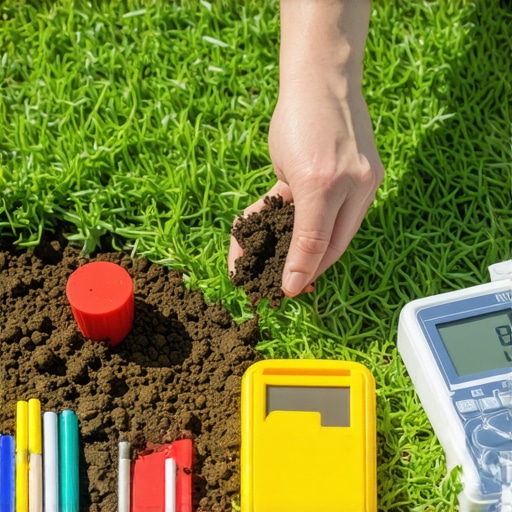
Maintaining a beautiful, healthy garden requires precision and the right tools. Personally, I swear by high-quality pruning shears like the Felco F-2, which offer clean cuts and durability—crucial for minimizing plant stress and disease transmission. Additionally, a reliable cordless hedge trimmer with adjustable blades allows for quick, precise shaping without fatigue, reducing pruning time while ensuring uniformity. For soil testing, I use a digital pH meter like the Bluelab pH Pen; it provides instant readings, helping me tailor amendments for optimal plant health, which is vital for the long-term resilience of your landscape.
Leveraging Software and Tech for Efficient Upkeep
Modern lawn and garden care benefit immensely from grid-based landscape design software such as SketchUp or the more specialized Land F/X. These platforms enable me to visualize changes before implementation, avoiding costly mistakes, especially when scaling or integrating hardscaping features. Routine maintenance schedules are streamlined using apps like Yardiworx, which send reminders for fertilization, pruning, and watering—making it easier to stay consistent over the years. As technology advances, I believe integrating IoT soil moisture sensors and smart irrigation controllers will become standard, providing data-driven watering schedules that conserve water and support plant health — a trend that’s poised to grow in significance by 2026.
How do I keep my garden tools and systems in peak condition?
Regular maintenance of your tools and systems is key to long-term success. Clean pruners with rubbing alcohol after each use, lubricate moving parts periodically, and replace worn blades promptly. For irrigation systems, inspect hoses and emitters monthly, and flush or replace filters as recommended. Ensuring your equipment remains in top shape prevents unexpected breakdowns, saving time and money. Just as a well-tuned mower produces a cleaner cut, properly maintained tools and systems ensure every aspect of your landscape operates smoothly, reducing the risk of disease and promoting healthy growth. For more advanced irrigation tweaks that can dramatically reduce water waste, check out this guide. I highly recommend trying a soil moisture sensor—it’s hands-down one of the most impactful upgrades I’ve made for sustainable gardening.
Make Maintenance a Routine to Sustain Beauty
Integrate small, manageable tasks into your weekly schedule rather than waiting for problems to escalate. Consistent pruning not only keeps plants healthy but also prevents pests and diseases from taking hold. Check your tools regularly and take care of minor repairs immediately—this proactive approach prevents costly replacements down the line. Remember, a well-maintained garden isn’t just about aesthetics; it’s about building an ecosystem that supports your landscape’s vitality over decades. To explore comprehensive hardscaping strategies that complement garden maintenance and enhance overall resilience, visit this resource. Start adopting these practices today to ensure your outdoor space thrives well into 2026 and beyond.
What My Early Mistakes Taught Me About Garden Resilience
One of the biggest lessons I learned was that not all pruning techniques are created equal. I initially believed that trimming aggressively would accelerate growth, but it actually weakened my shrubs and compromised their ability to provide privacy. Over time, I realized that patience and knowledge about each plant’s unique needs are crucial—something I wish I had understood from the start.
How Precise Tools and Techniques Transform Your Hedge’s Future
Investing in high-quality, sharp pruning tools and mastering proper cutting angles made a world of difference. I discovered that clean, angled cuts not only heal faster but also promote denser, healthier growth. These small but impactful adjustments turned my scraggly shrubs into lush barriers. Trust me, your hedge will thank you for using the right tools with proper technique.
Choosing the Right Time and Method for Lasting Privacy
Timing your pruning is more important than many realize. Pruning during the correct season—typically early spring or late winter—ensures your plants are less stressed and more resilient. Additionally, thinning out overgrown branches rather than shear-cutting all stems encourages a natural, fuller look that sustains privacy for years. A strategic approach like this saved me from future setbacks and could do the same for you.
Strategic Hardscaping Complements Pruning Efforts and Elevates Your Space
Pairing smart hardscaping elements—like modular walls or privacy screens—with well-executed pruning creates a holistic privacy solution. I found that modest investments in these features, combined with consistent plant care, could dramatically enhance my outdoor area’s appearance and functionality. Explore how incorporating hardscaping tricks, such as installing low barriers, can help you achieve your privacy goals more efficiently—check out this guide for inspiration.
My Toolbox for Long-Lasting Garden Success
From durable pruning shears like Felco F-2 to digital pH meters, tools designed for precision have transformed my garden maintenance routine. These investments allow me to perform targeted care, reducing plant stress and increasing resilience. Additionally, leveraging landscape design software helps visualize the big picture before making any cut or installation, saving time and resources. I highly recommend embracing technology and quality tools to unlock your garden’s full potential for 2026 and beyond.
The Emotional Compass for Your Garden Journey
Remember, nurturing your outdoor space is a labor of love that evolves over time. Each careful cut and thoughtful hardscaping decision brings you closer to a thriving, private refuge. Challenging past mistakes with new knowledge can be empowering. So, take those small steps today—your future self will thank you for the lush, resilient garden that stands tall and private in 2026.
![7 Smart Irrigation Fixes to Slash 2026 Water Bills [Proven]](https://lawnmajesty.com/wp-content/uploads/2026/02/7-Smart-Irrigation-Fixes-to-Slash-2026-Water-Bills-Proven.jpeg)