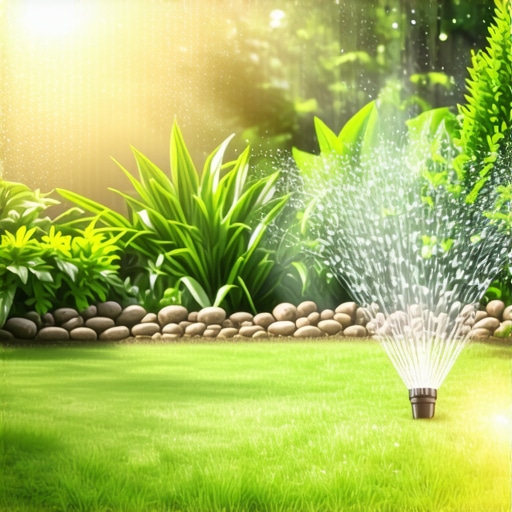
There was a moment last summer when I looked out my window to see my lawn, drenched despite the sky pouring buckets. My heart sank. I had been so focused on making my garden look lush that I overlooked the most obvious mistake: overwatering. Not only was I wasting precious resources, but I was also unknowingly setting up my yard for problems down the line. It dawned on me—our traditional irrigation systems are often a one-size-fits-all solution that doesn’t account for changing weather patterns or soil needs.
Why Your Garden Might Be Drowning in Water While the Environment Suffers
In areas facing drought and water restrictions, the irony is that many homeowners continue to overwater—sometimes because their systems aren’t adjusted or because they’re simply unaware of smarter watering techniques. According to the Environmental Protection Agency, outdoor water use can account for nearly 50% of residential consumption, much of which is wasted due to inefficient irrigation. This not only inflates your water bill but also harms your landscape and the environment.
So, what if I told you that a few simple irrigation tweaks could dramatically cut water waste, improve your garden’s health, and prepare you for the water-conscious future we’re heading into? Over the past few years, I experimented with various strategies, making plenty of mistakes along the way. Early on, I learned the hard way that ignoring weather forecasts and soil types led to overwatering, even during rainstorms. Trust me, installing advanced timers or rain sensors was a game-changer.
Today, I want to share practical, proven tweaks that can help you do the same. Whether you’re managing a tiny vegetable patch or a sprawling lawn, these small adjustments will make a big difference. Curious about how to turn your watering system into a sustainable, efficient ally? Let’s dive into the first step: understanding your yard’s unique needs and adjusting your irrigation accordingly.
Looking back, I realize that neglecting these details was my biggest mistake—one that costs time, money, and the environment. If you’ve ever caught yourself overwatering or seeing your plants struggle despite plenty of water, you’re not alone. Many homeowners face this issue, but few realize the simple tweaks that could fix it. For more insights on fixing common backyard drainage issues, check out [this comprehensive guide](https://lawnmajesty.com/fixing-2026-backyard-floods-4-drain-solutions-that-work). Now, let’s get practical and set the stage for a smarter watering approach.
Assess Your Soil and Garden Needs
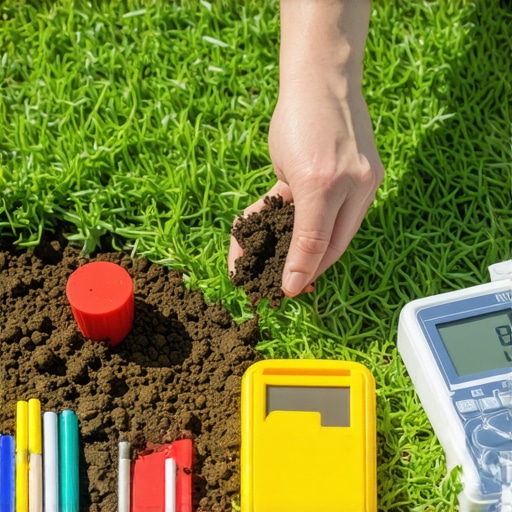
Begin by examining your soil type—sandy, loamy, or clay. This affects how water infiltrates and retains moisture. During a dry morning, dig a small hole in different spots; if water drains quickly, your soil needs more frequent watering. Conversely, if it holds water too long, reduce irrigation. Use this insight to choose the right watering schedule and system adjustments.
Install a Rain Sensor and Timer
Next, equip your irrigation system with a rain sensor—this acts like an umbrella, preventing watering during rain and saving water. Pair it with a programmable timer, which functions like a personal gardener, delivering water at optimal times—early morning or late evening—to minimize evaporation. My first attempt with a basic timer failed to account for unexpected rain, leading to overwatering. Upgrading to a weather-aware system resulted in a 30% water savings and healthier plants.
Adjust Spray Zones and Emitters
Use adjustable spray heads and emitters to fine-tune watering zones. Think of it like tailoring the faucet flow—some plants and areas require more or less water. For example, shady flower beds need less frequent watering than sunny lawns. I once installed fixed spray heads without adjustments; the plants ended up overwatered or dry. Fine-tuning the settings based on plant types and sun exposure improved moisture consistency and reduced runoff.
Utilize Micro-Irrigation for Specific Areas
For flower beds and vegetable patches, switch to drip lines or micro-sprays, which deliver water directly to roots. Imagine watering through a straw instead of a hose—much more efficient. I experimented with micro-drip in my vegetable garden, and it cut water use by half while promoting vigorous growth. This targeted approach prevents wastage and keeps soil moist without runoff.
Integrate Soil Moisture Sensors
Smart soil moisture sensors are like giving your garden a doctorate—telling you exactly when to water. Place sensors at root level, and connect them to your system if possible. This prevents unnecessary watering when the soil is still moist, especially after rain. In my previous setup, I relied on timers alone, which led to overwatering after rainfall. Incorporating sensors improved water efficiency and plant health markedly.
Schedule Adjustments Based on Weather Forecasts
Keeping an eye on weather forecasts allows dynamic scheduling—think of it as coaching your system on when to rest. During rainy weeks, delay watering; in droughts, increase it carefully. I used to ignore forecasts, wasting water during rainy spells. Now, with a weather-integrated app, I can pause or modify watering days, reducing waste and ensuring consistent moisture levels.
Monitor and Fine-Tune Regularly
Finally, continually observe your garden’s response—wilting or soggy plants indicate miscalibration. Take notes and tweak your system accordingly. Over time, these small adjustments accumulate into a highly efficient watering routine. After initial setbacks, my garden blossomed while using less water—all thanks to attentive monitoring and incremental tweaks.
Even seasoned gardeners and landscapers can fall prey to misconceptions that seem minor but have significant impacts. One pervasive myth is that all lawns require the same level of care; in reality, understanding the subtle nuances of soil type, climate, and plant selection makes a difference. For instance, many believe that more watering leads to healthier grass, but overwatering can cause root rot, soil compaction, and pest issues—making it essential to master the art of precise watering instead of relying on generic schedules. In addition, there’s a common trap in hardscaping: overusing decorative features without considering drainage. Improper placement or materials can lead to ongoing flooding or erosion issues, which are notoriously difficult to resolve later. I recommend exploring effective drainage strategies, like those detailed in this guide, to avoid costly mistakes.
A frequent oversight involves ignoring native plants in landscape design. Instead of selecting plants that thrive locally, homeowners often opt for exotic species that demand intensive resources and maintenance. This misstep not only wastes water and fertilizers but also risks ecological imbalance. Incorporating native plants supports local biodiversity and reduces maintenance needs, aligning with sustainable landscaping principles.
From an advanced perspective, many underestimate the importance of soil health in ensuring a lush, resilient lawn. Soil provides the foundation for healthy roots and optimal nutrient uptake. A study by the University of California found that regular soil testing and organic amendments can significantly improve turf vitality, reducing the need for chemical inputs. This highlights the need to go beyond basic fertilization by fostering healthy soil ecosystems.
What are the subtle signs indicating underlying soil or drainage problems that homeowners often miss?
Look out for uneven grass growth, persistent puddles, or soil compaction—these are signs that your landscape might be telling you something about its frustrating hidden issues. Neglecting these signs can lead to long-term damage, making it crucial to address concerns proactively. Regularly assessing your yard’s condition and consulting with landscaping experts can save you from costly corrections in the future. For example, integrating proper drainage solutions can prevent backyard flooding, which often occurs because of overlooked grading issues—learn more about practical drainage fixes in this comprehensive article.
Avoid falling into these common traps by educating yourself on the nuanced aspects of outdoor management. Whether it’s choosing the right soil amendments, native plants, or drainage techniques, mastering these details elevates your landscape from average to exceptional. For specific hardscaping ideas that prevent runoff issues while enhancing aesthetic appeal, you might find inspiration here.
Remember, successful lawn care isn’t just about hard work; it’s about smart work. Have you ever fallen into this trap? Let me know in the comments.
Keep Your Garden Equipped for the Long Run
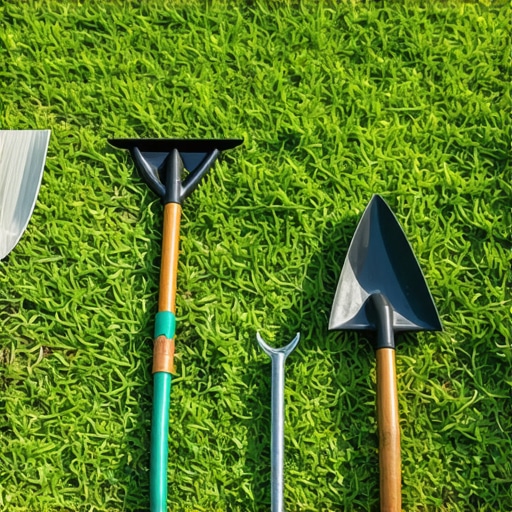
To maintain a lush, healthy lawn over time, investing in the right tools and adopting specific methods is essential. I personally rely on a combination of high-quality soil testers, smart irrigation controllers, and manual tools that make ongoing maintenance manageable. For instance, a durable soil probe allows me to regularly check moisture and nutrient levels, ensuring I don’t over- or under-water. Pairing this with a smart irrigation system that integrates weather data saves significant water and reduces guesswork.
Using a wireless soil moisture sensor system has transformed my approach; these sensors provide real-time data directly to my smartphone, allowing me to adjust watering schedules instantly. I’ve found that annual soil testing kits are invaluable for identifying deficiencies and planning amendments, ensuring the soil remains fertile and resilient. These tools collectively help me detect issues early, preventing costly repairs or replacements down the line.
The Trend for Smarter, Sustainable Lawn Care
Looking ahead, I predict that automation and intelligent sensors will become standard in lawn maintenance. As technology advances, expect even more integration of AI-driven systems that continuously monitor soil health, weather, and plant needs. Embracing these innovations will keep your landscape thriving long-term with less manual effort and resource waste.
How do I maintain my tools and systems for enduring results?
Regularly calibrate and clean your equipment—soil probes, sensors, and controllers—to ensure accurate readings. For sensors, this might mean annual recalibration or replacing batteries, while mechanical tools benefit from cleaning and sharpening. Establishing a routine maintenance schedule—like checking sensors every spring—ensures your systems work seamlessly, providing consistent data for informed decisions.
In my experience, a proactive maintenance routine not only prolongs the lifespan of your tools but also keeps your lawn practices effective year after year. For example, I set reminders for soil testing each season, which helps me adapt fertilization and watering regimens as the weather shifts. I highly recommend trying a wireless soil moisture sensor system; it’s become a game-changer in my ongoing garden success.
Remember, the key to long-term lawn health isn’t just the initial setup but continuous, informed management. For insights into smart systems, consider exploring this article on modern hardscaping innovations. Invest in reliable tools and embrace consistent monitoring—your garden will thank you for years to come.
What I Wish I Knew When I Started My Landscape Journey
One of the most valuable lessons I learned was that more water doesn’t mean healthier grass; understanding soil and weather patterns is crucial. I used to blindly water my lawn daily, but I discovered that adjusting based on actual soil moisture and rainfall dramatically improved my results.
Another insight was the importance of integrating smart technology. Installing a rain sensor and programmable timer transformed my irrigation routine from guesswork to precision, saving water and promoting lush growth. It’s a game-changer for anyone serious about sustainable lawn care.
Additionally, I realized that native plants and proper drainage are often overlooked but can drastically reduce water waste and prevent flooding. These natural solutions provide resilience and beauty, making your landscape both sustainable and stunning.
How My Favorite Tools Propel My Lawn Care Into the Future
My essential toolkit includes soil testing kits, wireless moisture sensors, and high-quality adjustable spray heads. Soil tests help me understand exact nutrient and moisture needs, while sensors provide real-time data, allowing me to make informed adjustments without guesswork. Discover more about upgrading your lawn management with these tools in my recommended resources.
For creative hardscaping ideas that complement efficient watering and drainage, explore options like permeable pavers and modular wall systems. These not only enhance aesthetics but also contribute to better water management—check out this article for inspiration.
Your Next Move Toward a Resilient, Beautiful Lawn
Embracing smarter irrigation techniques and mindset shifts can elevate your lawn care from routine to revolutionary. Remember, the journey to a lush, water-efficient landscape starts with small, deliberate steps—and the results are truly rewarding. Are you ready to turn your outdoor space into a sustainable sanctuary? Share your experiences or questions below—I’d love to hear your story!
![Stop Killing Heat-Stressed Hydrangeas: 3 Watering Fixes [2026]](https://lawnmajesty.com/wp-content/uploads/2026/04/Stop-Killing-Heat-Stressed-Hydrangeas-3-Watering-Fixes-2026.jpeg)
![Stop Drowning Your Clay Soil Shrubs [2026 Root Fix]](https://lawnmajesty.com/wp-content/uploads/2026/04/Stop-Drowning-Your-Clay-Soil-Shrubs-2026-Root-Fix.jpeg)