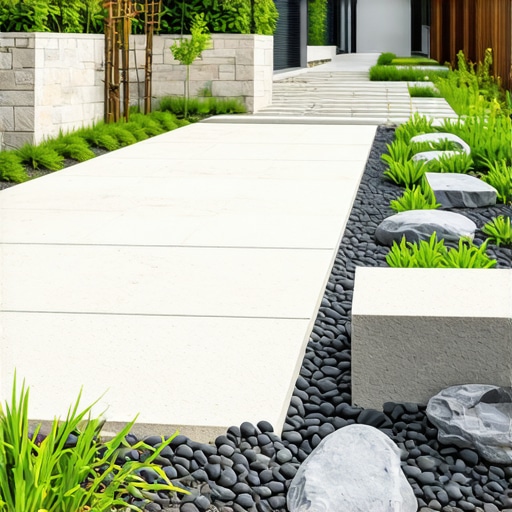
I remember standing in my backyard late one evening, frustration boiling inside me, as I looked at the uneven pavers and neglected lawn. It hit me then—how much my outdoor space reflected my priorities, or lack thereof. I realized rudimentary hardscaping techniques weren’t enough anymore. I needed a smarter, more intentional approach to elevate my garden in 2025, and that’s a journey I want to share with you.
Why Hardscaping Should Be Your 2025 Garden Focus
In today’s world, our outdoor spaces are more than just a backyard—they’re an extension of our lifestyle. A well-designed hardscape can dramatically boost curb appeal, increase property value, and create functional zones for relaxation and entertaining. Yet, many overlook this vital aspect, falling into common pitfalls like inconsistent materials or poor planning that ends up costing more than it should. Early on, I made the mistake of rushing into a driveway makeover without considering drainage or aesthetic flow—an error that cost me extra time and money.
As landscaping expert Lawn Majesty points out, incorporating recent hardscaping trends can make a significant difference. Staying informed ensures your investment not only looks great but stands the test of time. Are you facing similar challenges in planning your outdoor improvements?
Is Hardscaping Actually Worth the Hype?
It’s easy to dismiss hardscaping as purely aesthetic, but the fact is, thoughtful design enhances both function and beauty—consider the integration of pathways, patios, and retaining walls that prevent erosion or allow seamless movement. My mistakes taught me that neglecting these elements leads to costly repairs later. For more inspiration, check out top hardscaping ideas for 2025.
As we move toward 2025, the question isn’t if hardscaping is worth it—it’s how to do it right. Ready to learn the strategies that can transform your yard into a stunning, functional retreat? Let’s dive into the essentials that can bring your vision to life.
.
Establish a Clear Design Vision
Start your project by envisioning your ideal outdoor space. Sketch a rough layout, noting zones for seating, pathways, and focal points. I once spent a weekend mapping out my backyard, using stakes and string to visualize the flow, which prevented me from making costly mistakes later. This clarity streamlines decision-making and keeps the project focused.
Select Durable, Cohesive Materials
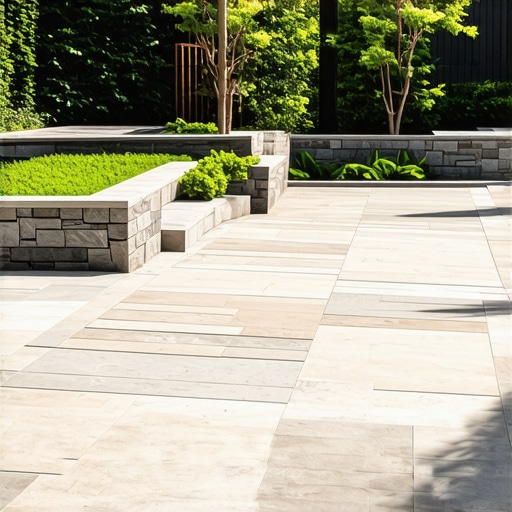
Choose materials that align with your style and climate—think of it as building a strong foundation for a house. During my renovation, I opted for permeable pavers because they complemented my modern aesthetic and handled rainwater well, unlike traditional concrete that cracked over time. Research trending textures and colors at top hardscaping trends for 2025 to inform your choices.
Plan for Proper Drainage and Erosion Control
Effective drainage prevents future headaches. I embedded a slight slope in my patio area and installed drain channels, which diverted excess water away. Think of your hardscape as a boat; without proper drainage, you’re risking instability or flooding. The website ultimate hardscaping ideas provides detailed techniques on managing water flow.
Create a Functional Layout with Pathways and Zones
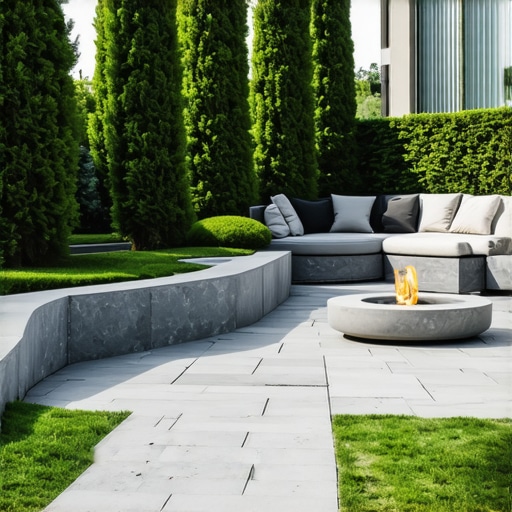
Design pathways that guide visitors naturally, like veins directing blood through the body. I laid my walkways with interlocking stones, establishing clear routes from the house to the seating area and garden beds. This not only improved functionality but also added visual interest. Use a string line or garden hose to outline your paths before laying materials.
Incorporate Focal Points and Lighting
Identify key features—like a water fountain or sculpture—and highlight them with lighting. I installed LED uplights around my centerpiece tree, which transformed my yard after dark. Proper lighting extends usability and enhances aesthetics, especially with modern fixtures that are energy-efficient and low maintenance. Check out hardscaping trends for 2025 for innovative lighting ideas.
Finish with Planting and Decorative Elements
Complement your hardscape with greenery. Use plants to soften edges and add vibrancy—think of it as painting with natural brushstrokes. I selected low-maintenance shrubs and perennials that thrive alongside my stone features, creating a cohesive look. Balance hardscaping with lush plants to achieve a welcoming atmosphere without future hassle.
Regular Maintenance and Evolution
Treat your garden as an evolving project. Regularly clean, repair, and consider adding new features over time. I set aside quarterly checks for weeds and loose stones, preserving the integrity of my hardscape. Staying proactive prevents minor issues from escalating, ensuring your outdoor space remains stunning for years.
Many homeowners proceed with landscaping plans believing that basic principles suffice, but in reality, there’s a web of subtle nuances that can sabotage your efforts. One common misconception is that choosing trendy materials automatically guarantees durability and aesthetic appeal. In my experience, focusing solely on current trends without considering climate compatibility or maintenance needs often leads to disappointment. For instance, a beautiful but impractical stone choice may crumble under frost, despite its allure, emphasizing the importance of understanding material properties in depth.
Another frequent mistake is underestimating the value of proper planning, especially concerning drainage. Overlooking this critical component can result in erosion or flooding, undermining other design elements. Incorporating advanced drainage strategies from the start, such as permeable pavements or bio-retention areas, can save significant reconstruction costs later. These strategies are highlighted in expert landscaping studies, which consistently show that long-term sustainability depends on innovative water management techniques.
Many believe that adding as many plants as possible enhances a garden’s appeal—a notion that misses the mark. Dense plantings without strategic spacing can cause overcrowding, increase maintenance burdens, and diminish visual harmony. Instead, selecting plants based on mature size, growth habits, and seasonal interest, as discussed in expert garden design ideas for 2025, results in more balanced and manageable landscapes.
What advanced landscaping techniques truly elevate your outdoor space?
Utilizing layered lighting, integrating smart irrigation systems, and employing sustainable materials are crucial for creating a forward-thinking landscape. Technological integrations, such as weather-responsive sprinklers, not only conserve water but also promote healthier plants. Moreover, emphasizing native plants and recycled materials reduces environmental impact and aligns with eco-friendly trends gaining momentum among experts and communities alike. As research indicates, sustainable landscaping contributes to ecosystem health and property value, making it a strategic choice for modern outdoor design.
Are you still relying on outdated practices? Let’s elevate your garden by avoiding these pitfalls and implementing proven, advanced strategies. For more insights, explore modern garden design trends and learn how innovative ideas can transform your outdoor spaces.
Have you ever fallen into this trap? Let me know in the comments.
Keeping your outdoor spaces in top shape requires not only choosing the right tools but also adopting consistent maintenance practices. Over the years, I’ve refined my toolkit to include equipment that balances durability with precision, ensuring my landscape remains vibrant and functional. One essential tool I swear by is a cordless electric hedge trimmer. Its lightweight design and quiet operation make trimming shrubs less tiring and more enjoyable, especially during extended grooming sessions. I prefer models with variable speed settings, which provide better control and minimize damage to delicate branches.
For lawn care, I rely heavily on a high-quality rotary mower equipped with a mulching feature. The mulching blades chop grass clippings finely, returning vital nutrients to the soil and reducing waste. I also invest in a reliable soil moisture sensor; consistently monitoring soil hydration helps me determine when to water, preventing overwatering and encouraging deep root growth. In a trend I foresee for 2025, integrating smart gardening tools is becoming a game-changer. These devices, connected via apps, allow for real-time monitoring and automated adjustments—streamlining maintenance and ensuring optimal plant health.
An often-overlooked aspect is the importance of regular soil testing. Knowing your soil’s pH and nutrient levels allows for targeted amendments, which improves plant vitality and reduces the guesswork. I use a digital soil tester from a reputable brand, which provides quick, accurate readings. Coupled with data from my garden app, I can schedule fertilization and pH adjustments proactively, maintaining long-term fertility.
Adopting a scheduled maintenance routine is vital. I set quarterly check-ins to prune, weed, and inspect hardscape features for wear and tear. For instance, I routinely clean my drainage channels with a garden blower and inspect joints of pavers for shifting, applying fresh mortar as necessary. This proactive approach prevents small issues from escalating into costly repairs, ensuring my landscape remains inviting year-round.
Looking ahead, the trend toward environmentally friendly tools is noticeable. Battery-powered equipment, especially those with lithium-ion batteries, are becoming standard due to their eco-friendliness and ease of use compared to gas-powered counterparts. According to industry studies like those shared on Modern Lawn Care Tips for 2025, these tools offer comparable power with reduced emissions and maintenance needs. Embracing these innovations aligns with not only sustainable practices but also long-term savings.
How do I maintain landscaping tools over time?
Consistent cleaning, proper storage, and timely blade sharpening are my go-to strategies. After each session, I wash dirt and sap off my equipment to prevent corrosion. For blades, I use a whetstone to keep edges sharp, which makes trimming more efficient and less damaging to plants. Regularly lubricating moving parts and replacing worn-out batteries ensures my tools perform optimally and last years longer. Consider investing in a quality tool kit with sharpening stones, lubricants, and spare batteries—these small additions save significant frustration and expense down the line.
If you’re ready to elevate your landscape maintenance, I recommend trying out a smart soil moisture sensor or upgrading to eco-friendly power tools. These investments streamline your routine and support a healthier, more resilient garden. For more guidance, check out modern garden design ideas for 2025 and see how the latest innovations can fit into your maintenance plan.
What I Wish I Knew Before Starting Hardscaping
- Ignore Trends at Your Peril: I once selected materials solely based on their popularity, only to realize later that climate compatibility and maintenance needs are the real game-changers. Deep research into material properties saved me from costly replacements and frustration.
- Drainage Can Make or Break Your Design: Overlooking water management led to erosion issues and structural instability. Planning for effective drainage from the outset, like integrating permeable pavements, ensures longevity and peace of mind.
- Balance Is Key with Plantings: Overplanting created chaos in my garden, so I learned to choose plants that fit the mature scale and seasonality of my hardscape, resulting in a harmonious and manageable outdoor space.
- Tech is Your Friend in Maintenance: Smart irrigation and soil sensors have transformed my routine, making it easier to preserve my hardscaped outdoor sanctuary efficiently, saving water and effort.
- Prioritize Sustainability: Using eco-friendly materials and native plants not only benefits the environment but also ensures resilience and lower upkeep over time, aligning my garden with modern standards.
Tools That Changed My Garden Game
My secret to maintaining a beautiful landscape? Investing in quality tools. A cordless electric hedge trimmer offers effortless trimming without noise, while a high-quality rotary mower with mulching blades returns nutrients to my soil. For moisture management, a digital soil tester and smart sprinklers keep my garden vibrant. These tools, championed by experts at Lawn Majesty, streamline my routine and maximize results.
Your Turn to Shape the Future of Your Garden
Imagine transforming your outdoor space into a stunning, functional retreat that reflects your personality and eco-conscious values. With the right planning, materials, and tools, you can turn that vision into reality in 2025. Remember, your outdoor sanctuary is an investment in your well-being and property value—so start today and embrace the journey.
What’s one hardscaping idea you’re excited to try in your garden? Share your thoughts below and let’s grow together!
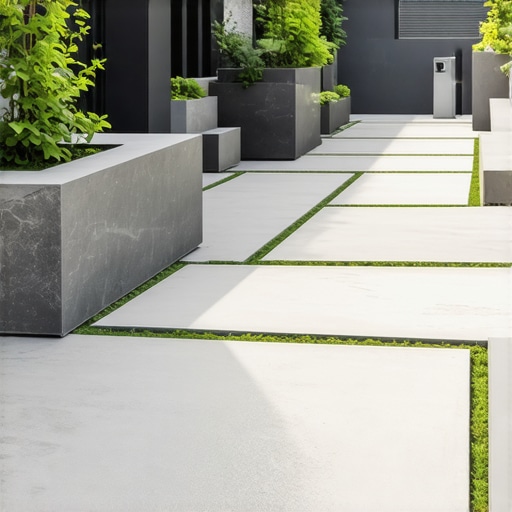

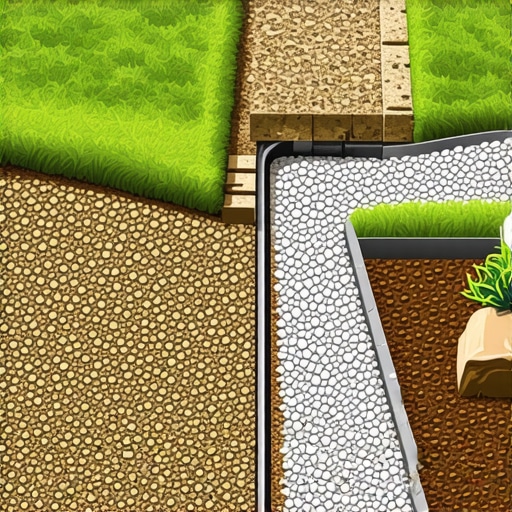
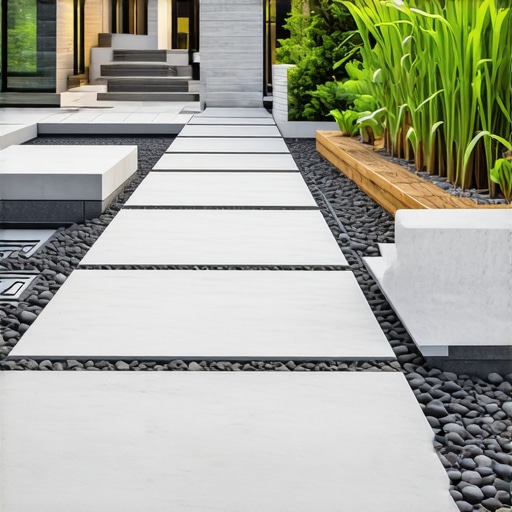
This article really resonated with me, especially the emphasis on planning and choosing durable materials. I spent last summer dealing with poorly planned walkways that cracked and shifted because I underestimated drainage needs. After that experience, I’ve started to prioritize water flow and drainage solutions early in my projects, which has saved me time and money. I wonder, has anyone here experimented with integrating smart irrigation or sensor-based watering systems? I’ve been considering these to help optimize watering schedules and reduce waste. In my climate, where droughts are becoming more frequent, too much attention to water management can truly make or break a hardscape’s longevity and sustainability. Would love to hear how others are incorporating tech or eco-friendly solutions into their hardscaping projects. Any tips or lessons learned from your experiences would be greatly appreciated as I plan my own landscape upgrades for 2025.