5 2026 Best Shrubs for Low-Light Front Porches
The Engineering of Front Porch Landscapes
I always drill into my new crew members: if you don’t fix the soil grading first, every plant you put in the ground is just expensive compost. Most homeowners see a bare spot under an overhang and think they just need a green plant. They are wrong. A front porch is a complex microclimate defined by structural rain shadows, alkaline leaching from concrete foundations, and poor air circulation. When we talk about 5 2026 best shrubs for low-light front porches, we are not talking about aesthetics; we are talking about biological survival in a high-stress environment. The primary failure point for foundation plantings is the bulk density of the soil. Builders often bury construction debris—bricks, drywall, excess mortar—right where you want your garden. This debris spikes the pH and destroys drainage. If you don’t excavate and test your soil pH before buying a single shrub, you are throwing money into a hole. We design for 2026 by selecting species that can handle the erratic weather patterns and increased humidity of our changing climate.
“The physical properties of the soil, specifically pore space and oxygen availability, dictate the success of any ornamental installation more than the genetic potential of the plant itself.” – Penn State Extension, Center for Agricultural Sciences
Understanding Low-Light Dynamics for Front Porches
Successful low-light landscaping requires calculating foot-candles of light rather than relying on vague terms like “partial shade.” On a north-facing porch, plants may receive zero direct sunlight but high levels of reflected ambient light. The challenge is the rain shadow. Overhangs prevent natural precipitation from reaching the root zone. You must install drip-line irrigation or your shrubs will die of thirst while the rest of your lawn is drowning. We look at hydrostatic pressure near foundations too. Poorly graded beds trap water against the basement wall, rotting the roots and the house simultaneously. Fix the grade. Ensure a 2% slope away from the structure. Only then do you look at the plant list.
How do I stop my front porch plants from rotting?
To prevent root rot in front porch shrubs, you must improve soil porosity by amending heavy clay with organic matter and ensuring the root flare remains visible above the soil line. Never pile mulch against the trunk, as this creates a bridge for pathogens and insects to bypass the plant’s natural defenses.
The 2026 Selection: Top 5 Shrubs for Shade
Our firm has tracked the performance of these species over five years of drought and flood cycles. These are the survivors. They aren’t just “low light”; they are resilient to the high-pH soil found near concrete. This is the 2026 standard for garden design near home entries.
| Shrub Species | Growth Habit | Soil Preference | Light Req. |
|---|---|---|---|
| Hicks Yew (Taxus x media) | Vertical/Columnar | Neutral to Alkaline | Deep Shade to Sun |
| Sweet Box (Sarcococca) | Low Mounding | Acidic to Neutral | Deep Shade |
| Oakleaf Hydrangea (Pee Wee) | Broad/Mounding | Well-Drained Loam | Part Shade |
| Sky Pointer Holly | Tight Vertical | Slightly Acidic | Part Shade |
| Rainbow Leucothoe | Arching/Spreading | Acidic/Moist | Full Shade |
1. Hicks Yew (Taxus x media ‘Hicksii’)
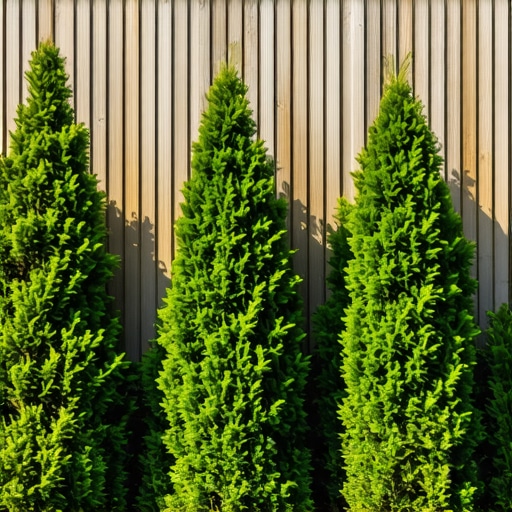
The Hicks Yew is the backbone of hardscaping transitions. It handles the alkaline leaching from concrete better than almost any other evergreen. It is dioecious, meaning it has separate male and female plants. For a front porch, it provides a formal, architectural look that doesn’t require constant shearing. In 2026, we value its ability to handle urban pollution and heavy pruning. Watch the drainage. Yews hate “wet feet.” If the soil stays saturated for more than 48 hours, the roots will slough off their outer layer and die. It is that fast.
2. Sweet Box (Sarcococca hookeriana humilis)
If you want a shrub that laughs at deep shade, this is it. Sweet Box is a stoloniferous evergreen that stays low, making it perfect for under windows. It blooms in late winter when everything else looks dead. The fragrance is intense. From a horticultural standpoint, its leathery cuticle makes it resistant to most leaf-spot diseases. It prefers a soil pH between 5.5 and 6.5. If your porch is near a new concrete pour, you may need to add elemental sulfur to counteract the lime. It grows slow. Be patient.
3. Oakleaf Hydrangea (Hydrangea quercifolia ‘Pee Wee’)
The ‘Pee Wee’ cultivar is the engineering answer to small spaces. Unlike the massive species, this stays around 3-4 feet. It is a native species to the Southeast US but thrives up to Zone 5. Its exfoliating bark provides winter interest. Oakleafs need oxygenated soil. If you have heavy clay, plant them “high”—with the top third of the root ball above the grade—and mound the soil up. This prevents Phytophthora crown rot. The 2026 trend is moving toward these tough natives that support local pollinators while requiring less chemical intervention.
4. Sky Pointer Holly (Ilex crenata)
Avoid the “mow-and-blow” hack’s favorite: the Boxwood. Boxwood blight is a nightmare. Instead, use Sky Pointer Holly. It has the same small-leaf texture but is far more rugged. It provides the verticality needed to frame a front door without the risk of Volutella fungus. We use these in landscaping plans to provide year-round structure. They need regular moisture but must have macropore space in the soil to breathe. Check your compaction levels with a penetrometer before planting. If it’s over 300 PSI, your holly is doomed.
5. Rainbow Leucothoe (Leucothoe fontanesiana)
For porches with moisture retention issues, Leucothoe is the specialist. It has arching stems that create a softer, more natural look than the rigid hollies or yews. It is an acid-loving plant. If your soil is 7.0 or higher, the leaves will turn yellow (interveinal chlorosis). Use a slow-release fertilizer with an ammonium form of nitrogen. Avoid big-box store powders that wash away in the first rain. In 2026, we are seeing more interest in foliage color over short-lived flowers, and the variegated leaves of ‘Rainbow’ deliver 12 months of interest.
“Foundations are heat sinks and chemical leachers; the microclimate within three feet of a residential structure is vastly different from the open landscape.” – Texas A&M Agrilife Extension
Which low light shrubs grow best in heavy shade?
The most reliable shrubs for heavy shade are Sarcococca (Sweet Box) and Taxus (Yew). These species have evolved high chlorophyll density within their leaf structures, allowing them to process minimal photosynthetically active radiation (PAR) into energy, whereas most flowering shrubs would become leggy and prone to pests.
The Installation Checklist: Ground-Up Build
- Test Soil Drainage: Dig a 12-inch hole, fill with water. If it takes more than 6 hours to empty, install a French drain.
- pH Adjustment: Aim for 6.0-6.5 for most shrubs. Add sulfur to lower or lime to raise.
- Excavation: The hole must be 3x the width of the root ball. Width matters more than depth.
- Root Flare Check: Locate the flare where the trunk widens at the roots. This MUST be at or above grade.
- Irrigation: Install inline emitter tubing. Surface watering with a hose is inefficient and promotes leaf fungus.
- Mulching: Use 2 inches of aged arborist wood chips. Keep it 3 inches away from the stems.
Maintenance and Long-Term Care
Landscaping isn’t a “set it and forget it” project. In year one, the establishment phase, these shrubs need consistent moisture—roughly 1 inch of water per week. Don’t guess. Use a rain gauge. We see more plants killed by “sprinkling” every day than by drought. Shallow watering creates shallow roots. Force those roots deep by watering heavily but infrequently. By 2026, we expect higher summer temperatures; organic mulch is your best defense to keep soil temperatures below the 85-degree stress threshold. Prune only to remove dead, damaged, or diseased wood (the 3 Ds). Do not shear your shrubs into balls. It destroys the apical dominance and leads to a thick outer shell of leaves with a dead, hollow interior. Treat your plants like the living organisms they are, and they will hold your front porch together for decades. Forget the hacks. Do it right the first time.