5 2026 Best Plants for Modern Gray Hardscaping
The Structural Foundation of Modern Landscape Design
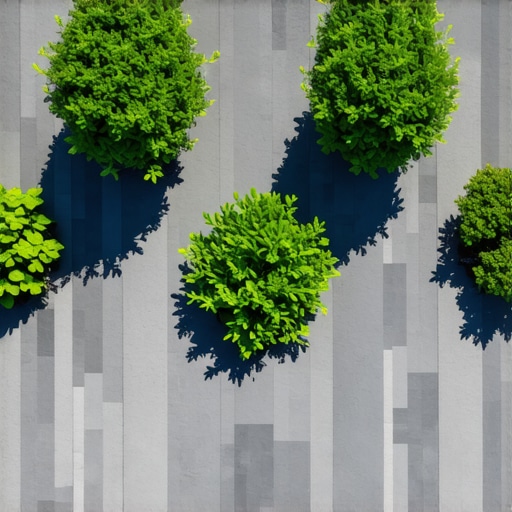
Modern gray hardscaping requires plants with high-contrast foliage and non-invasive root systems to maintain the structural integrity of pavers and retaining walls. When you invest in high-end gray porcelain or natural slate, the plant selection is not a decorative afterthought; it is a functional component of the site engineering. I recently got called out to tear up a $30,000 patio that was sinking because the previous contractor failed to account for hydrostatic pressure and the aggressive lateral root growth of a River Birch planted too close to the edge. The base layer was a mess of uncompacted 2B stone and organics that had decomposed, leaving voids. I had to excavate 24 inches down, replace the sub-base with 2A modified gravel, and compact it in 4-inch lifts with a plate compactor to reach a 95% Proctor density before we could even think about the aesthetics. If the soil grading and base compaction aren’t perfect, every plant you put in the ground is just expensive compost. Don’t skip the transit level. Drainage is the only law that matters in this business.
“A retaining wall doesn’t fail because of the stone; it fails because of the water trapped behind it.” – Hardscape Engineering Axiom
1. Blue Oat Grass (Helictotrichon sempervirens)
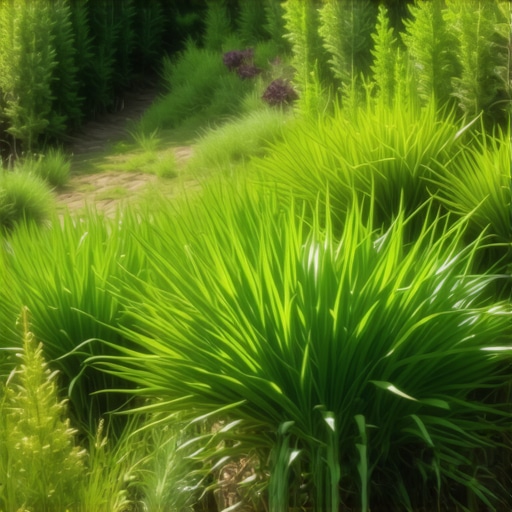
Helictotrichon sempervirens provides a sharp, architectural spike that mimics the clean lines of modern gray masonry. This cool-season grass maintains a steel-blue hue that creates a monochromatic transition from slate or granite surfaces. It grows in clumping habits, reaching 24 inches in height. For successful integration, the soil pH must remain between 6.0 and 7.5. These plants require a well-drained root zone; sitting in saturated clay will cause root rot within one season. Spacing should be exactly 18 inches on center to allow for airflow and prevent fungal pathogens like rust from taking hold in the dense crown. It is a workhorse for modern aesthetics.
2. Silver Mound Artemisia (Artemisia schmidtiana)
Silver Mound offers a fine-textured, cushion-like form that softens the hard edges of 90-degree paver corners. The silver-white foliage provides the necessary brightness against dark charcoal or light gray stones. This plant is a low-growing perennial, rarely exceeding 12 inches. It thrives in poor soil conditions where higher nitrogen levels would actually cause the plant to split in the center and lose its tight, mounded shape. It is highly drought-tolerant once the root system is established, typically after the first 90 days. Avoid overhead irrigation; use a dedicated drip line to keep moisture away from the foliage to prevent melting out in high humidity.
3. Japanese Forest Grass (Hakonechloa macra ‘Aureola’)
Hakonechloa macra ‘Aureola’ provides a necessary color break with its lime-green and gold variegation, which pops against the neutral tones of gray hardscaping. This grass is ideal for the shaded transitions of a hardscape build. Unlike many ornamental grasses, it is a slow grower, which prevents it from encroaching on paver joints or lifting thinner stones. It requires a soil rich in organic matter but demands high porosity. I recommend a 30% compost to 70% native soil mix, ensuring the root flare is not buried more than 0.5 inches below the surface to prevent crown suffocation. It is precise and reliable.
How do I prevent roots from lifting pavers?
To prevent roots from lifting pavers, you must install a physical root barrier made of high-density polyethylene (HDPE) at a depth of 12 to 18 inches between the planting bed and the hardscape edge. This forces roots to grow downward rather than laterally under the sand setting bed. Additionally, selecting species with non-aggressive, fibrous root systems rather than taproots or thick woody runners is essential. Never plant large-canopy trees within 10 feet of a paver installation without a deep-trench root management system. It is a critical step for longevity.
| Plant Species | Foliage Color | Mature Height | Root Aggression Level | Water Requirement |
|---|---|---|---|---|
| Blue Oat Grass | Steel Blue | 24 Inches | Low | Low |
| Silver Mound | Silver/White | 10 Inches | Very Low | Low |
| Japanese Forest Grass | Lime/Gold | 18 Inches | Low | Moderate |
| Blue Star Juniper | Silver Blue | 12 Inches | Low | Very Low |
| Lavender ‘Phenomenal’ | Silver Green | 30 Inches | Medium | Low |
4. Blue Star Juniper (Juniperus squamata)
Juniperus squamata ‘Blue Star’ is a slow-growing coniferous evergreen that offers a rugged, scale-like texture. Its iridescent blue needles provide year-round interest, which is vital when the rest of the landscape goes dormant. It is exceptionally hardy, rated for USDA zones 4 through 8. When planting near gray stone, the reflected heat can be intense; this juniper handles high-PSI heat loads without scorching. Ensure you do not mulch with wood chips directly against the stem; use a 1-inch layer of decorative stone or pea gravel to match the hardscape and prevent stem rot. It is nearly indestructible if the drainage is right.
5. Lavender (Lavandula x intermedia ‘Phenomenal’)
Lavender ‘Phenomenal’ is selected for modern gray designs due to its exceptional tolerance to the heat and humidity that often accumulate on large stone patios. The silver-green foliage and vertical purple spikes provide a sensory layer without sacrificing the clean, geometric look. This cultivar is resistant to the root rot that plagues other lavender varieties in heavy soils. It requires a soil with high mineral content. If you are working in clay-heavy regions, you must amend the planting hole with 1/4-inch crushed stone to increase the drainage rate to at least 2 inches per hour. Do not over-water. Less is more.
“Soil compaction is the hidden killer of urban landscapes; without 15% to 20% pore space, root respiration ceases and the plant suffocates.” – Penn State Agricultural Extension
Hardscape Installation Checklist
- Verify 811 utility markings before excavation.
- Excavate sub-grade to a minimum of 8 inches for pedestrian patios.
- Install a non-woven geotextile fabric to separate sub-grade from the base.
- Layer 2A modified stone in 4-inch lifts, compacting each to 95% Proctor density.
- Set a 1-inch bedding layer of washed concrete sand or fine chips.
- Install pavers with a 1/8-inch joint gap for polymeric sand.
- Apply edge restraints with 10-inch steel spikes every 12 inches.
How much modified gravel do I need for a patio base?
To calculate the modified gravel needed for a patio base, multiply the total square footage by the desired depth in feet, then divide by 27 to find cubic yards. For a standard 4-inch base, multiply the area by 0.33, then multiply by 1.5 to account for the compaction factor. Always order 10% extra to handle grade inconsistencies. Accuracy prevents waste and cost overruns. Don’t guess.
![5 Best 2026 Shade Perennials for Clay Soil [Zone 6]](https://lawnmajesty.com/wp-content/uploads/2026/06/5-Best-2026-Shade-Perennials-for-Clay-Soil-Zone-6.jpeg)