Build a $150 2026 Cedar Fence for Small Gardens
Building a Resilient Cedar Fence for 2026 Small Garden Designs
A professional cedar fence for small gardens in 2026 demands Western Red Cedar heartwood, 24-inch deep post footings, and 304-grade stainless steel fasteners to prevent unsightly tannin bleed. To meet a $150 budget, you must prioritize structural integrity over length, focusing on a high-quality 8-to-10-foot span that outlasts cheap, pressure-treated alternatives. Engineering a fence is about managing moisture and wind load, not just aesthetics.
I recently got called out to tear up a $30,000 patio that was sinking because the previous contractor ignored the hydrostatic pressure and failed to use a proper modified gravel base. It is the same with fencing. I see homeowners spend thousands on premium cedar pickets only to nail them into wet, 4×4 pressure-treated posts that twist within six months. If your foundation is garbage, your finish work is just expensive firewood. We do things differently. We look at the cellular structure of the wood and the physics of the soil. Don’t be the guy who builds twice.
The Science of Cedar Longevity
Western Red Cedar (Thuja plicata) contains natural extractives called thujaplicins. These act as organic fungicides. However, these chemicals react violently with standard galvanized nails. You will see black streaks running down the wood. That is a chemical failure. Use stainless steel. It is non-negotiable. For a small garden, every detail is magnified. You are not just building a barrier; you are installing a micro-climate regulator that affects airflow and light penetration for your understory plantings.
“Wood durability in ground-contact applications is primarily determined by the concentration of heartwood extractives and the localized moisture content of the soil environment.” – USDA Forest Products Laboratory Manual
Material Selection and Budget Management
To hit that $150 price point in 2026, you cannot waste an inch of lumber. You buy ‘Standard and Better’ grade. Avoid ‘Construction’ grade; the knots will fall out by year three. Focus on a 10-linear-foot section. This is perfect for a small urban garden or a focal point in a larger landscape design. You need two 4×4 posts, three 2×4 rails, and approximately 22 pickets for a solid-board privacy style.
| Material Item | Professional Specification | Estimated 2026 Cost |
|---|---|---|
| 4×4 Posts | Rough-sawn Western Red Cedar | $45.00 |
| 2×4 Rails | Clear Heart Cedar S4S | $35.00 |
| Pickets | 1x6x6′ Dog-eared Cedar | $55.00 |
| Fasteners | 304 Stainless Steel 2.5″ Screws | $15.00 |
How deep should cedar fence posts be?
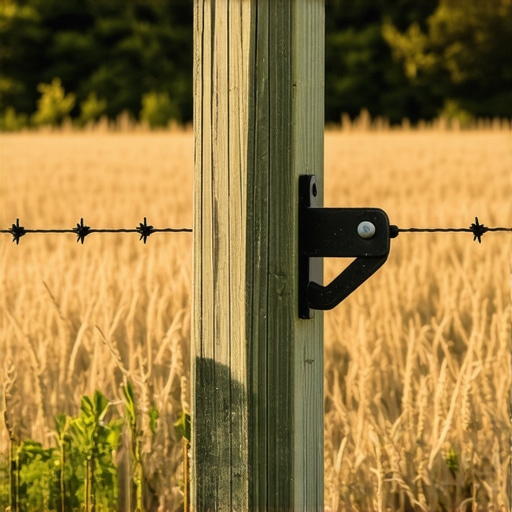
Your fence post depth must reach below the local frost line or at least one-third of the total post height to prevent heave and wind-toppling. In most residential garden designs, a 6-foot fence requires a 24-inch to 30-inch hole filled with compacted 3/4-inch crushed stone rather than concrete to allow for drainage. Concrete traps moisture against the grain. It rots wood. Don’t use it if you want the fence to last twenty years.
The Engineering of the Install
Start with your site survey. Call 811. If you hit a gas line, your $150 budget becomes a $10,000 liability. Once cleared, dig your holes. I prefer a manual post-hole digger for small gardens to minimize soil compaction around the root zones of existing plants. Add 4 inches of gravel to the bottom of the hole. This is your drainage sump. Without it, the post sits in a bucket of water. It will rot. There is no ‘maybe’ about it.
- Check for utility lines before breaking ground.
- Use a string line to ensure perfect linear alignment.
- Plumb posts using a level on two adjacent sides.
- Pre-drill all holes to prevent splitting the cedar grain.
- Maintain a 2-inch gap between the bottom of the pickets and the soil.
What is the best wood for a small garden fence?
Western Red Cedar remains the gold standard for garden fencing because of its dimensional stability and natural rot resistance, though Incense Cedar is a viable 2026 alternative if sourced from sustainable West Coast mills. Avoid pine or fir; they lack the thujaplicins required to survive the microbial activity present in active garden soil. In a tight space, the scent and color of cedar provide a sensory value that synthetic materials cannot replicate.
“A retaining wall doesn’t fail because of the stone; it fails because of the water trapped behind it.” – Hardscape Engineering Axiom
This engineering principle applies to fences. If you trap moisture against the wood with ‘mulch volcanoes’ or poor grading, the wood fails. Keep the base clear. Airflow is your friend. High-end landscaping is about managing the transition from the organic to the structural. Every screw should be driven to the same depth. Every picket should be spaced with a 1/8-inch gap to allow for expansion. Details matter. Do it right or don’t do it at all.