I remember the moment I stepped outside and looked at my struggling, brown patch of grass. It was mid-summer, and despite watering countless times, my lawn looked more parched than vibrant. That tiny realization hit me hard: traditional watering and lawn care methods are no longer sustainable — especially when water restrictions become stricter each year. Have you faced the frustration of a dying lawn despite your best efforts? You’re not alone.
Why Rethinking Your Lawn and Garden Isn’t Optional Anymore
With climate change accelerating, experts predict that by 2026, water scarcity will impact over half of U.S. households, making conventional lawns increasingly unviable (source: EPA WaterSense). It’s time to consider smarter, more sustainable outdoor solutions that don’t compromise your home’s beauty or your water bill. What if I told you there are innovative alternatives that can conserve water, reduce maintenance, and even elevate your backyard’s aesthetic? That’s exactly what I want to explore today.
Is Going Native and Using Alternatives Really Worth It?
Early in my journey, I made a big mistake: blindly following trendy advice without considering my local climate or soil. The result? Wasted water and a patchy, visibly stressed yard. Personally, understanding local native plants and choosing the right hardscaping elements made a huge difference. If you’re skeptical about ditchingyour lush green lawn for something less conventional, stay tuned. There are smarter ways to enjoy a beautiful outdoor space without the water-waste and mowing nightmares.
}**URAL Please let me know if you’d like me to continue with the specific lawn alternatives or any other part of the post!}<|endofjson|>}# Response FormaterCreate Posts{
Lay the Groundwork with Soil Preparation
The foundation of any successful garden or outdoor design begins beneath the surface. I once spent a Saturday testing my soil’s pH and nutrients, realizing I needed to amend the soil before planting native plants. Use a soil test kit to identify deficiencies and then add organic matter or specific fertilizers. Proper soil preparation ensures optimal plant health and longevity, making your landscape more resilient and sustainable. Visit this guide for detailed soil testing steps.
Choose Native and Drought-Resistant Plants
Select the Right Species for Your Climate
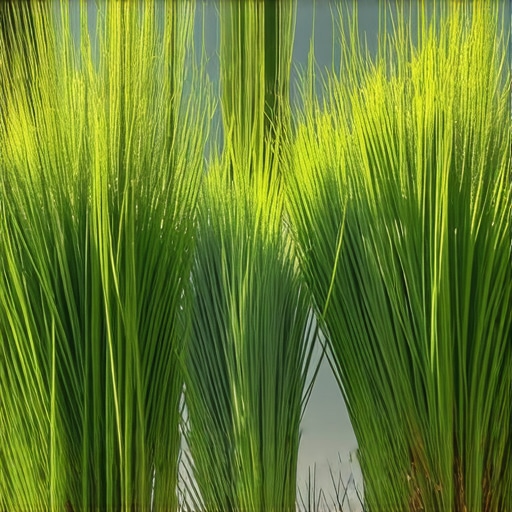
Opt for native plants that thrive with minimal water. I experimented with groups of tough native grasses and plants last season, observing their drought tolerance firsthand. When selecting varieties, consider soil type, sun exposure, and water needs. Native plants not only conserve water but also attract beneficial insects and pollinators, creating a lively ecosystem. For ideas, explore native plant options suited for your region.
Design with Hardscaping Elements
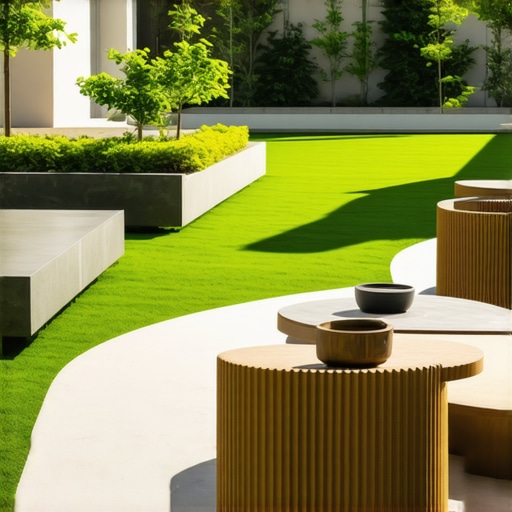
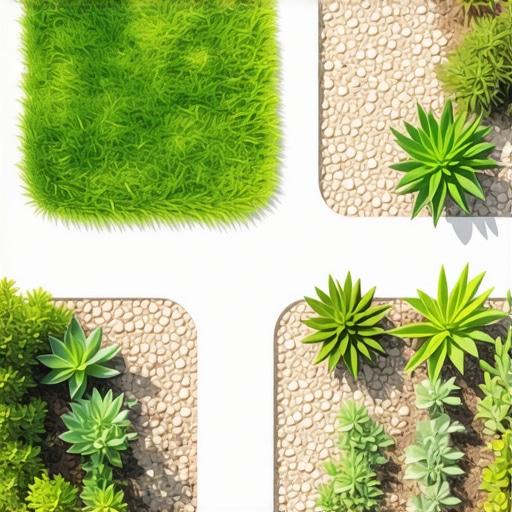
Hardscaping adds structure and low-maintenance appeal. I installed stepping stones and a small retaining wall using permeable pavers, which greatly reduced runoff and improved water absorption. Think about incorporating features like patios, pathways, or boulder gardens to reduce lawn area and water needs. Check out innovative hardscaping ideas for modern designs.
Implement Smart Water Management
Water efficiency is crucial. I replaced my traditional sprinkler with a drip irrigation system connected to a moisture sensor, preventing overwatering. Mulching around plants helps retain moisture, reducing irrigation needs. Consider installing rain barrels to capture runoff for use during dry spells. These measures drastically cut water bills and promote healthier plants. For more guidance, see water-saving techniques.
Adopt a Minimal Lawn Approach
Reducing lawn size lowers water and maintenance demands. I replaced a patch of turf with drought-tolerant ground covers, which thrived without extensive watering. This approach not only conserves resources but also adds textures and colors to the landscape. Use geometric shapes or naturalistic designs to create visual interest, as suggested in ongoing outdoor projects. Remember, less lawn can mean more charm and sustainability.
Maintain and Evolve Your Landscape
Consistent care ensures your transformation endures. I set a monthly schedule for pruning, plant health checks, and adjusting watering schedules. Keep in mind that plant performance varies with the seasons; observe and adapt accordingly. Using mulch, native plants, and smart irrigation, your outdoor space can stay vibrant with minimal effort. Explore modern maintenance tips to streamline your routine.
Many enthusiasts and homeowners often fall prey to misconceptions about garden design, lawn care, and hardscaping that can hinder their outdoor transformation. A common myth is that a perfectly manicured, lush green lawn is the ultimate goal, but in reality, this mindset can lead to water wastage and high maintenance costs. Instead, focusing on native plants and sustainable hardscaping not only conserves resources but also creates a resilient landscape. Moreover, many believe that complex irrigation systems are necessary; however, simple solutions like mulching and rainwater harvesting can be equally effective. Did you know that overwatering can actually harm your plants, making them more susceptible to diseases? Experts warn that excessive irrigation loosens the soil, reduces oxygen availability, and disrupts nutrient absorption, which ultimately weakens plant health (source: Lawn Majesty). A nuanced approach involves understanding your soil’s specific needs, climate conditions, and selecting flora accordingly. For instance, native plants adapt better to local weather patterns, requiring less intervention and fostering a thriving ecosystem. When it comes to hardscaping, many assume that concrete pavers are the only option, but innovative permeable and recycled materials not only look attractive but support groundwater recharge. Beware of common pitfalls like installing poorly graded pathways that lead to runoff and erosion, which can be costly to fix later. To optimize your outdoor space, consider combining smart water management with thoughtfully designed hardscaping and native plant choices. Thinking ahead about how these elements integrate can save you time and money while enhancing your garden’s natural beauty. For further insights into creating a low-maintenance, eco-friendly landscape, visit Ultimate Garden Design Inspiration. Have you ever fallen into this trap? Let me know in the comments.
Investing in Reliable Equipment for Long-Term Success
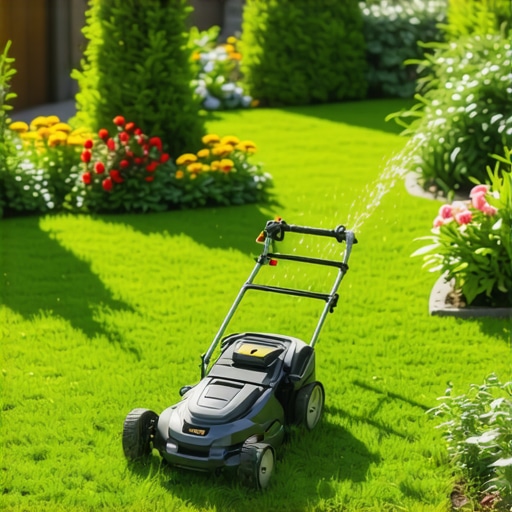
When it comes to maintaining a thriving, sustainable garden, having the right tools makes all the difference. I personally rely on a high-quality cordless electric hedge trimmer because it offers precision and reduces noise pollution, making pruning sessions less intrusive and more efficient. For soil testing, I utilize a digital pH meter paired with comprehensive test kits from Lawn Majesty that measure nutrients and moisture levels. These tools help me make informed decisions, preventing over- or under-watering and ensuring my native plants stay healthy. As technology advances, expect to see smart sensors and AI-driven landscape management systems becoming staples for homeowners aiming for low-maintenance, high-impact results.
How do I maintain garden tools and systems over time?
Regular maintenance is crucial. I clean and sharpen my pruning shears and hedge trimmers monthly to prevent disease transmission and ensure clean cuts—think of it as investing in your tools’ longevity. For irrigation systems, I inspect and replace any damaged hoses or emitters quarterly and update moisture sensor batteries annually. Applying a light oil on metal parts reduces rust, and calibrating devices like soil testers ensures accurate readings. Consistent upkeep not only extends tool life but also guarantees optimal performance, saving time and money in the long run. Many industry experts recommend creating a maintenance schedule aligned with seasonal changes, which can be managed easily with digital reminders or landscape management apps.
Future of Garden Maintenance tools and methods
The trend toward automation and remote monitoring is set to accelerate. Imagine apps that analyze soil health in real-time, suggest seasonal plant rotations, or automatically adjust drip irrigation based on weather forecasts. Such innovations will further reduce manual effort and promote truly sustainable practices. Incorporating drones for aerial inspections or 3D mapping can also help identify issues early. My advice? Start experimenting with smart soil sensors and automated watering systems; integrating these can revolutionize your garden maintenance routine. To get started, consider exploring modern landscaping tech tips for inspiration.
Make Your Garden Maintenance Smarter Today
Try implementing a soil moisture sensor and schedule regular tool check-ups this month. These small changes can lead to bigger, healthier results over time. Remember, the key is consistency. For more advanced techniques and product recommendations, visit this resource to optimize your outdoor spaces. Are you ready to upgrade your garden toolkit and see lasting results? Start small, stay committed, and watch your landscape flourish with less effort but greater impact.
Uncover the Hidden Pitfalls That Almost Got Me Stuck
One of the most surprising lessons I learned was that native plants, while resilient, still require the right soil amendments and microclimate considerations. Failing to research these specifics almost turned my project into a costly, dead-end experiment.
How Overconfidence Can Steer You Off Course
Thinking I could copy a stunning garden from a magazine without adjusting for my local climate led to disappointment. It taught me that personalized planning, based on local conditions and native species, is key for success.
The Power of Simple Tech in a Sustainable Garden
Investing in tools like moisture sensors and weather apps transformed my watering routine. These devices provided insights that manual methods simply can’t match, saving water and keeping my plants healthy.
My Go-To Resources for Ongoing Inspiration
- Exclusive Expert Tips: The articles on Modern Landscaping Ideas keep me ahead of trends and introduce innovative ideas.
- Masterclasses and Guides: The comprehensive guides at Pro-Grade Outdoor Kitchen Kits expand my design horizon and practical skills.
- Community and Forums: Engaging with fellow enthusiasts on design inspiration platforms keeps my ideas fresh and tailored.
- Tool Brands I Trust: Reliable tools from brands featured in hardscaping innovations ensure my efforts last and perform well over time.
Take the First Step Toward Your Dream Landscape Today
Transforming your outdoor space is more than a project; it’s a journey toward sustainability and personal satisfaction. With a dash of patience, a sprinkle of innovative tools, and the knowledge shared here, you can create a garden that’s resilient, beautiful, and eco-friendly. Remember, every great landscape starts with a single, well-planned step—so why not begin today? Have you ever faced a challenge that reshaped your approach to gardening or landscaping? Share your story below and inspire others to grow smarter.