Just last summer, I stepped out onto my patio after a heavy rain, only to find myself ankle-deep in muddy water. My heart sank as I realized that months of hard work on my outdoor space were doomed by a stubborn, soggy patch that refused to drain. It was a lightbulb moment—many of us encounter similar frustrating scenarios, especially with the unpredictable weather patterns heading into 2026. The good news? You don’t always need to break out the shovels or call in a costly contractor to solve these issues.
Why Fixing Patio Drainage Matters More Than Ever
Proper drainage isn’t just about keeping your yard dry; it’s a cornerstone of a healthy, vibrant outdoor environment. Poorly managed water can lead to soil erosion, mold growth, and even damage to your hardscaping. Plus, with climate change bringing unpredictable downpours, your patio needs to be resilient enough to handle stress without needing major excavation. Recognizing these challenges early can save you thousands in future repairs and help you enjoy a lush, functional backyard.
Is It Really Possible To Improve Drainage Without Digging?
Early in my own landscaping journey, I made the mistake of thinking that fixing drainage required invasive digging and costly infrastructure. Turns out, there are plenty of effective tactics that align with a do-it-yourself attitude—methods I wish I had discovered sooner. For example, enhancing soil permeability or installing permeable pavers can dramatically improve water flow without disturbing your existing patio structure. Want to learn how I transformed my soggy yard using these simple techniques? Keep reading, and I’ll guide you step-by-step through the proven strategies.
Assess Your Soil and Identify Problem Areas
Begin by observing where water pools after heavy rain, noting these spots on your patio or yard. Use a garden trowel or shovel to dig small test holes—about a foot deep—to check soil composition. If the soil feels dense and doesn’t drain well, it’s time to loosen it up. I once marked my soggy patches, then excavated a few inches to test drainage — digging was messy but revealing, showing compacted clay beneath the surface that needed aeration.
Enhance Soil Permeability
Improving soil structure allows water to infiltrate rather than pool. Mix in organic matter like compost or aged manure into the affected areas—think of it as giving your soil a nutritional boost that also opens up pore space. For stubborn clay, consider incorporating coarse sand or fine gravel to create a more loamy, well-draining mix. I added compost and sand to several spots in my yard, which dramatically reduced pooling and helped plant roots breathe better. This step is crucial because soil, like a sponge, needs to be porous enough to absorb water efficiently. To keep soil conditions optimal, check out soil drainage fixes that work.
Install Permeable Pavers or Gravel Borders
Replace or overlay parts of your existing patio with permeable pavers—these allow water to seep through cracks rather than wash away or pool—think of them as sponges laid flat. Alternatively, create gravel-filled borders around your patio to act as drainage channels. These also serve as visual accents, adding texture to your hardscape. I used recycled gravel and permeable pavers for my patio, which not only improved drainage but also enhanced the aesthetic appeal. When laying pavers, ensure proper sub-base compaction to prevent future sinking; for that, check soil prep hacks for sinking pavers.
Implement Swales and Drainage Traps
If water runoff is a persistent issue, consider creating shallow, vegetated swales—gentle ditches that divert water away from the patio—like miniature water channels. These can be filled with mulch or native plants, which help absorb excess water. I carved out a simple swale along the back of my yard, lined it with gravel, and planted native grasses to stabilize the soil, effectively redirecting runoff. Think of swales as nature’s gutters that work with your landscape, not against it. For more innovative drainage solutions, see passive irrigation tricks.
Use Bio-Filtering Solutions for Long-Term Results
Planting dense ground covers or installing bio-swales with native plants not only helps water absorption but also filters runoff, improving overall soil health. Native plants with deep roots, like certain grasses and perennials, thrive in these conditions, stabilizing the soil and absorbing excess moisture. I experimented with a living mulch composed of clover and creeping thyme on my patches, which proved to be both decorative and functional. This approach is a natural, eco-friendly way to control water flow and improve drainage over time. To explore more soil health fixes, visit passive irrigation tricks.
Many homeowners believe that creating a stunning outdoor space is simply about selecting attractive plants and installing hardscaping features, but the reality is far more complex. A prevalent misconception is that following popular trends guarantees a lasting result, yet in my experience, personalized planning based on your specific soil conditions and climate yields far better durability and aesthetic appeal. For example, choosing trendy materials without considering local weather can lead to unexpected deterioration; some materials, like certain composites, may degrade quickly under harsh sun or heavy rain, which contradicts the common myth that all modern materials are low-maintenance. To avoid costly mistakes, always research the long-term behavior of hardscape materials and consult expert resources.
A frequent trap in garden design is overemphasizing visual appeal at the expense of functionality. Homeowners often skip proper drainage planning, leading to soggy lawns and cracked patios. An overlooked detail is the importance of incorporating subtle grading and drainage solutions like swales and bio-filtration units, which work quietly behind the scenes to keep your landscape healthy. I have seen many projects fail because of this neglect, emphasizing the need for a nuanced approach that balances aesthetics with system resilience.
For seasoned enthusiasts, understanding the nuance of soil health can significantly elevate project outcomes. Soil isn’t merely dirt; it influences plant health, water management, and even structural stability of features. Deeply compacted or poorly aerated soil can undermine your landscape’s long-term success, especially when installing permeable pavers or native plant beds. Incorporating bio-stimulants and organic amendments can revitalize this vital resource, yet many overlook these subtle adjustments, leading to issues like turf decay or uneven settling. Explore how targeted soil fixes, like those detailed at soil drainage solutions and bio-stimulants for turf health, can make a transformative difference.
One advanced question worth considering is: How do you balance aesthetic innovation with environmental sustainability in landscape design? Achieving this harmony involves selecting native plants and permeable materials to reduce runoff and reliance on energy-intensive irrigation systems. Native plants, for instance, don’t just look good; they support local ecosystems and require less watering, especially when combined with passive irrigation techniques discussed in passive watering strategies. Such nuanced choices reflect an expert’s eye, recognizing that sustainability and beauty can be mutually reinforcing.
Ultimately, cultivating an outdoor space that endures the test of time demands understanding these hidden nuances and avoiding common myths. Have you ever fallen into this trap? Let me know in the comments — I’d love to hear your experiences and insights to help you design smarter, longer-lasting landscapes.
Maintaining your outdoor spaces over the long term demands more than just initial investment; it requires the right tools, consistent care, and strategic planning. Personally, I’ve found that having a set of specialized equipment simplifies the process and ensures lasting results. For example, a high-quality soil moisture meter helps me monitor moisture levels accurately, preventing overwatering or drought stress, which aligns with passive irrigation techniques discussed here. Investing in a reliable aeration tool, such as a core aerator, keeps my lawn healthy by alleviating soil compaction, promoting better water and nutrient absorption.
How do I maintain my landscape and hardscape features over time?
Consistency is key. I schedule quarterly inspections of my paved areas, checking for signs of shifting or cracking. When I notice early sifts, I apply targeted fixes like soil stabilization or re-leveling, referencing methods from this guide. Additionally, maintaining tools such as a brush cutter or edging tool keeps borders and pathways crisp, preventing weed intrusion and structural degradation. For irrigation, installing drip emitters and automating schedules with a smart controller minimizes water waste and reduces maintenance efforts, aligning with passive irrigation principles.
In the future, I see an increasing role for smart gardening tools integrated with IoT technology, enabling real-time monitoring and automated adjustments. For example, soil sensors connected to a weather database could optimize watering schedules, further reducing water waste and enhancing plant health. Staying ahead with these innovations can save time and money, and improve your landscape’s resilience.
What tools do I recommend for scalable landscaping projects?
For larger projects, I rely on modular tools like mechanized trenchers for laying pipes or drip irrigation lines quickly and efficiently. A compact, cordless stump grinder can manage minor tree removal, making space for new planting beds or pathways. These tools, while more of an investment upfront, dramatically cut down labor time. When designing on a bigger scale, software like SketchUp or Land F/X helps visualize your plan before committing to physical changes, minimizing costly mistakes and ensuring long-term durability.
Maintaining a successful landscape or hardscaping setup is an ongoing process that benefits from purposeful tools and proactive habits. Always remember that choosing quality equipment and embracing technology can make a significant difference. One practical step I recommend: try implementing soil moisture sensors linked to an irrigation controller—it’s a game changer for efficient water use and plant health. Want to dive deeper? Explore the latest in passive irrigation tricks here.
Throughout my journey in creating sustainable outdoor spaces, I’ve learned that each garden and hardscape is a reflection of both practical knowledge and personal passion. One revelation was that the true magic lies in understanding the subtle nuances of soil health and drainage, rather than relying solely on trendy materials or flashy features. For instance, embracing native plants not only boosts resilience against climate shifts like those anticipated in 2026 but also deepens your connection to the land. This personal approach enabled me to craft a landscape that feels both natural and resilient, proving that building with purpose beats following fleeting trends.
Lessons I Didn’t Expect from My Hardscaping Adventures
- Permeable options are often underrated: I discovered that permeable pavers and gravel borders do more than look good—they transform drainage. Incorporating these features reduced soggy patches significantly and aligned with my eco-friendly goals. You can explore quality options, as suggested here.
- Soil testing is your best friend: Simple tests revealed compacted clay beneath my surface, reminding me that preparation saves costly corrections later. It’s a step I wish I’d prioritized earlier, and it can be your game-changer too.
- Small changes have large impacts: Enhancing soil with organic matter and installing shallow swales drastically improved water flow without invasive work. Sometimes, the biggest victories come from the tiniest tweaks.
- Sustainable planting choices make a difference: Native grasses and ground covers, like clover and creeping thyme, not only concrete a natural aesthetic but also contribute to long-term water absorption. For ideas on selecting the right plants, check this resource.
- Long-term planning trumps quick fixes: I learned to think beyond immediate beauty and focus on durability—choice of materials, soil health, and drainage strategies all intertwine to make a landscape truly enduring.
Tools and Resources That Shape My Landscape Success
- Soil moisture meters: Accurate moisture levels help prevent over- or under-watering, crucial for passive irrigation success. I trust the models featured here.
- Aerators and soil testers: These tools have been essential in maintaining soil vitality. Investing in quality equipment simplifies care routines and enhances landscape longevity.
- Landscape design apps: SketchUp and Land F/X have been invaluable in visualizing projects and minimizing costly errors—saving me both time and frustration.
- Educational materials and expert blogs: Resources like Lawn Majesty’s guides offer insights rooted in real-world experience, bridging the gap between theory and practice.
Embrace Your Green Thumb – The Future Is Yours
Building a water-wise landscape isn’t just about following advice—it’s about crafting a space that resonates with your values and climate realities. Each tweak, whether soil amendment or drainage tweak, brings you closer to a resilient outdoor haven. Remember, mastery comes from patience, curiosity, and a willingness to learn from both successes and setbacks. So, gear up, trust your instincts, and let your outdoor space evolve into a sanctuary that stands strong amidst the changing seasons of 2026 and beyond.
What’s one water-saving technique you’re excited to try in your landscape? Share below—I’d love to hear your plans and help troubleshoot any challenges you might face!
.
![Why Your Paver Patio Is Sinking: 4 Permanent Fixes [2026]](https://lawnmajesty.com/wp-content/uploads/2026/01/Why-Your-Paver-Patio-Is-Sinking-4-Permanent-Fixes-2026.jpeg)
![Why Your 2026 Patio Foundation Is Cracking [and the Fix]](https://lawnmajesty.com/wp-content/uploads/2026/01/Why-Your-2026-Patio-Foundation-Is-Cracking-and-the-Fix.jpeg)
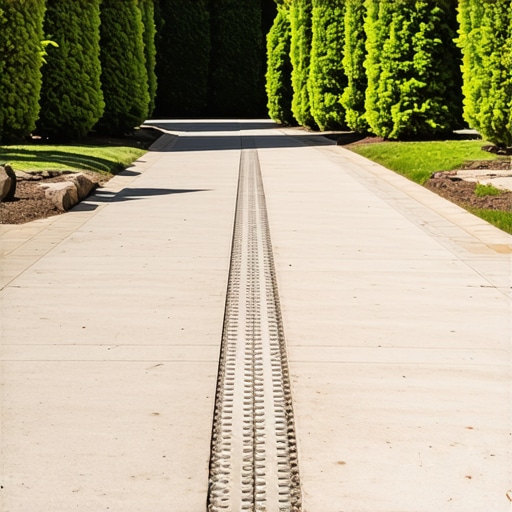
![5 Non-Slip Stone Finishes for Safe 2026 Pool Decks [Tested]](https://lawnmajesty.com/wp-content/uploads/2026/02/5-Non-Slip-Stone-Finishes-for-Safe-2026-Pool-Decks-Tested.jpeg)