I’ll never forget the moment I realized my backyard was more of a jungle than a sanctuary. After pouring time and money into plants and hardscaping, it still looked disorganized and uninspiring. That lightbulb moment hit me hard — I was missing a strategic approach to garden design for 2025. Since then, I’ve learned that the right expert tips can turn any outdoor space into a breathtaking retreat. If you’ve ever stared at your yard thinking it could use a miracle, you’re in good company. Today, I promise to share practical, reliable landscaping insights that will help you craft a stunning garden this year and beyond. We’ll cover everything from smart hardscaping trends to innovative planting ideas, ensuring your outdoor space becomes the envy of your neighborhood. Are you tired of throwing effort into your garden without seeing the wow factor? Well, you’re about to discover how to avoid common pitfalls and create a landscape that truly shines. Let’s get started.
Why Modern Garden Design Matters More Than Ever
In 2025, garden design isn’t just about pretty plants anymore. It’s about creating functional, sustainable, and visually striking outdoor spaces that reflect your lifestyle and values. With urban living increasingly pushing us indoors, a well-designed garden becomes a vital extension of your home. Plus, with climate change impacting planting zones and weather patterns, adopting innovative landscaping strategies is crucial. According to recent studies, properly integrated hardscaping combined with native plants can reduce water usage by up to 30%. That’s a game-changer for eco-conscious homeowners. I’ve seen firsthand how thoughtful design not only elevates curb appeal but also boosts property value and personal well-being. If you’ve ever felt overwhelmed by the sheer number of ideas out there, don’t worry. We’ll focus on proven, practical tips that you can implement without breaking the bank or losing your mind. Ready to transform your outdoor space into a stunning masterpiece? Let’s dive into the core principles that will make your garden design in 2025 truly stand out.
Is Overhauling Your Garden Worth the Hype?
Early in my journey, I made the mistake of copying trendy ideas without considering my yard’s unique characteristics. I wasted money on plants that didn’t thrive and hardscaping that didn’t fit my lifestyle. This taught me that not every trend is suitable for every backyard. Instead, focus on customizing solutions that match your climate, soil, and personal taste. For example, exploring hardscaping trends for 2025 can give you fresh ideas, but they need to be tailored to your space. A well-executed garden overhaul is worth it if it aligns with your goals and environment. Otherwise, it risks becoming an expensive flop. If you’re skeptical about investing in your outdoor space, ask yourself: Are you ready to embrace innovative ideas that can make your garden truly pop? If yes, then stay tuned — because the upcoming sections will show you exactly how to do that.
Lay the Foundation Carefully
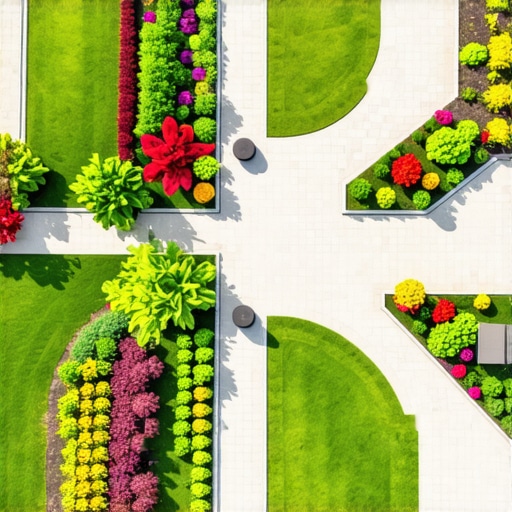
Start by assessing your outdoor space and sketching a simple layout. Think of your yard as a puzzle; each piece—whether a patio, pathway, or planting bed—must fit seamlessly. I once tackled this by drawing on a napkin during a rainy afternoon, planning where I wanted my fire pit and flower beds. This initial step guides all subsequent decisions and prevents costly mistakes later.
Select the Right Materials for Hardscaping
Choosing durable, stylish materials is crucial. For example, I opted for permeable pavers instead of concrete for my walkway, which not only looks modern but also helps with drainage. Browse hardscaping trends for 2025 to find options that fit your aesthetic and climate. Remember, the material should complement your home’s exterior and withstand local weather conditions.
Design Pathways That Invite Exploration
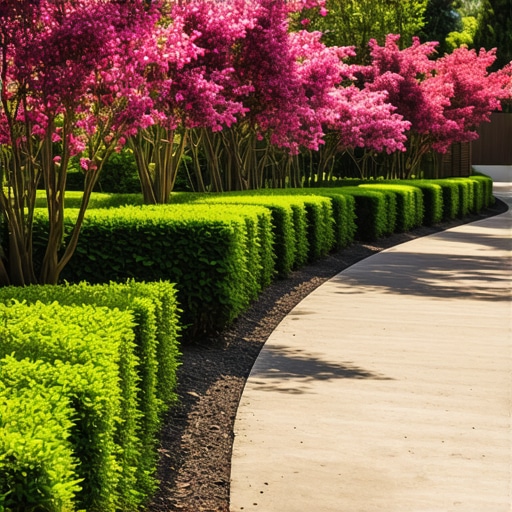
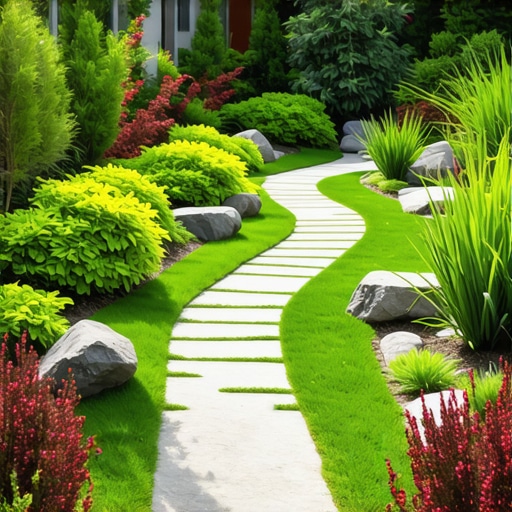
Instead of straight, predictable paths, incorporate curves to create visual interest. I used flagstone to craft a winding walkway leading to a cozy seating nook. Curved pathways soften the landscape and encourage movement. Use a garden hose to lay out your desired route and tweak it until it feels inviting. This simple trick helps visualize the flow before committing to permanent installation.
Incorporate Elevated Elements for Dimension
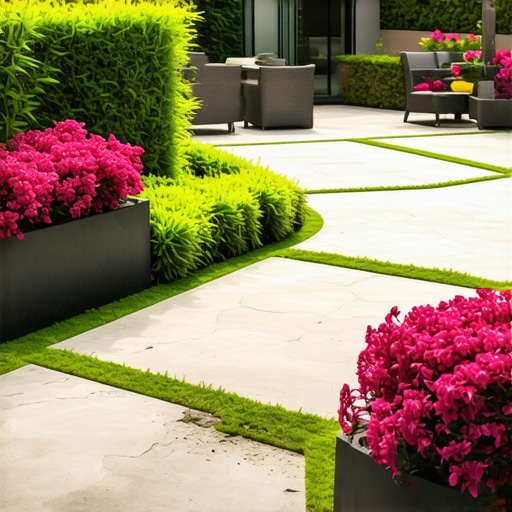
Raised beds, retaining walls, or outdoor steps add depth and structure. I installed a low stone wall to define my vegetable garden, which also prevented soil erosion. When selecting these elements, consider using natural stones or sleek concrete blocks to match your style. Properly designed elevation changes can make your garden appear larger and more dynamic.
Focus on Native and Adaptive Plants
Choose plants that thrive naturally in your region to reduce maintenance and water use. For my yard, I substituted high-maintenance roses with native wildflowers, which bloomed beautifully with minimal effort. Visit expert landscaping tips for ideas tailored to your climate. Group plants with similar water and sunlight needs to simplify care and boost their health.
Integrate Lighting for Safety and Atmosphere
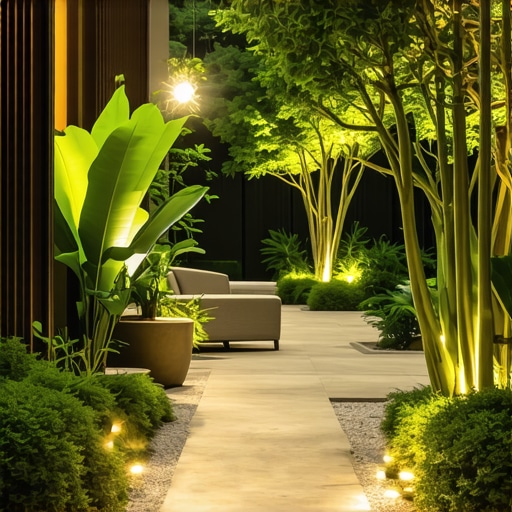
Strategic outdoor lighting extends usability and enhances ambiance. I installed solar-powered path lights along my new walkway, creating a warm glow at night. Use a mix of task, accent, and ambient lights to highlight key features and ensure safety. Proper lighting turns your garden into a magical space after sunset and can be a simple but effective upgrade.
Implement Water Features Thoughtfully
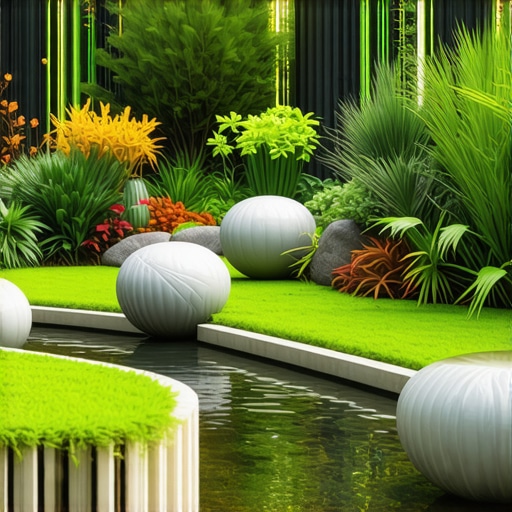
Water features add tranquility and focal points. I added a small pond with a recirculating pump, which attracted birds and made my yard feel alive. When choosing a water feature, consider scale and placement—avoid clutter and ensure easy maintenance. Even a modest fountain can transform the atmosphere and serve as a centerpiece.
Plan for Future Growth and Flexibility
Leave room for expansion or seasonal changes. I left space for a vegetable patch I plan to add next year. Use modular elements and flexible planting beds to adapt your landscape over time. This forward-thinking approach saves time and money, making your outdoor space a true reflection of your evolving needs.
Many homeowners jump into hardscaping or landscape redesign with a set of assumptions that can backfire, often costing time and money. As an expert in modern garden design, I can tell you that understanding these common pitfalls is essential for creating a truly stunning outdoor space. One of the biggest myths is that more is always better — more features, more materials, more everything. But in reality, overloading your garden with too many elements can create chaos rather than harmony. A balanced, strategic approach is key, as highlighted in hardscaping trends for 2025. Instead of piling on features, focus on clean lines, intentional placement, and maintaining visual flow to avoid cluttered looks that diminish your yard’s appeal.
Another widespread mistake is neglecting the importance of native plants in hardscape planning. Many think they need exotic or trendy species to make their garden ‘pop,’ but native plants are often more resilient, easier to maintain, and better for local ecosystems. Incorporating native flora can save you from costly replacements and excessive watering, as studies show water savings of up to 30% when native plants are prioritized. This nuanced understanding of plant selection is often overlooked by DIY gardeners who follow generic advice. For an in-depth look at regional plant choices, check out expert landscaping tips.
Hardscaping is not just about choosing pretty materials; it’s about creating functional, durable, and sustainable features. A common mistake is selecting materials purely based on aesthetics without considering climate and usage. For example, using soft sandstone in freeze-thaw zones can lead to rapid deterioration. Instead, materials like permeable pavers or natural stone often outperform concrete or brick in durability and environmental friendliness. Visit top hardscaping ideas to explore which materials suit your climate.
Have you ever fallen into this trap? Let me know in the comments. Remember, successful garden design marries form and function, informed by an understanding of nuanced details that many overlook. By avoiding these pitfalls and embracing a strategic, well-informed approach, your outdoor space can become a true masterpiece that stands the test of time.
Keeping your garden looking lush and vibrant requires more than just planting the right species; it demands the right tools and consistent maintenance. Over the years, I’ve refined my toolkit to include specialized equipment that not only makes the work easier but also prolongs the life of my hardscaping and landscaping investments. One of my go-to items is a high-quality cordless electric trimmer, like the Ego Power+ String Trimmer, which offers the power of gas without the fumes or noise. Its lightweight design and long-lasting battery make trimming edges and clearing overgrown areas effortless, especially when tackling larger yards or intricate hardscape corners.
For lawn care, I swear by a robotic mower such as the Husqvarna Automower. It keeps my grass perfectly trimmed with minimal effort, freeing me up for more creative garden design projects. Modern robotic mowers are equipped with GPS navigation and smart app controls, allowing me to schedule and monitor yard maintenance from my phone. This trend is only going to grow in 2025, with smarter, more adaptable models designed to work seamlessly with integrated irrigation and lighting systems.
Cleaning and maintenance are equally important. A durable, backpack leaf blower like the Echo PB-580T helps me clear debris quickly, especially after heavy winds or seasonal leaf fall. Paired with a garden vacuum mulcher, it reduces yard waste and keeps pathways tidy. These tools save time and prevent debris from damaging delicate plantings or hardscaping surfaces, helping to maintain a pristine look year-round.
To keep everything running smoothly, I rely on a few digital tools. I use landscape design software such as SketchUp or Realtime Landscaping Pro to visualize changes before making physical modifications. These programs help me plan drainage, lighting, and plant groupings with precision, avoiding costly mistakes. As 2025 approaches, expect these tools to incorporate AI-driven suggestions, optimizing your landscape for climate resilience and sustainability.
Remember, proper maintenance extends beyond tools. Regularly inspecting hardscaping joints for weed intrusion, applying sealants to pavers, and aerating lawns are crucial steps. A good rule of thumb is to schedule a comprehensive check-up of your landscape every season. This proactive approach prevents small issues from becoming expensive repairs and keeps your garden thriving long-term.
In the future, I predict that automation and smart technology will dominate garden maintenance. Autonomous drones could soon monitor plant health, while AI-powered irrigation systems will adjust watering based on weather forecasts. If you want to stay ahead, start integrating these innovations now. For example, try installing a smart sprinkler system that adapts to your local weather patterns — it’s an advanced tip that can significantly reduce water waste and improve plant growth. Experimenting with these tools today will prepare your garden for the innovations of tomorrow.
How do I maintain my landscape equipment over time?
My answer is simple: regular cleaning and scheduled servicing are key. For power tools, I clean filters, blades, and spark plugs after each season and lubricate moving parts to prevent rust. Many manufacturers recommend annual professional tune-ups, especially for more complex machinery like lawnmowers and irrigation controllers. Keeping your equipment in top shape not only prolongs their lifespan but also ensures they perform efficiently when you need them most. This consistent upkeep is a small investment that pays off in healthier plants and a more beautiful, functional outdoor space.
To maximize your tools’ longevity, consider investing in a dedicated storage shed with organized shelving and tool racks. Proper storage prevents damage and makes it easier to find what you need. Additionally, marking maintenance schedules in your digital calendar helps you stay on top of seasonal checks and replacements. With these habits, your garden tools will serve you well for years to come, supporting your ongoing garden success and making every maintenance session a breeze.
The Hardest Lesson I Learned About garden transformation
One of the most valuable lessons I learned was the importance of tailoring hardscaping choices to my specific climate and soil conditions. I once tried to implement trendy materials that looked fantastic but quickly deteriorated because I ignored local weather impacts. Now, I always research and select durable, climate-appropriate materials, which has saved me time and money.
What I Wish I Knew About native plants and sustainability
Initially, I underestimated how native plants could simplify maintenance and boost eco-friendliness. Incorporating regional flora not only made my garden more resilient but also reduced water usage significantly. I now prioritize native and adaptive plants to ensure my landscape remains vibrant and sustainable with minimal effort.
3 Common Hardscaping Myths That Hold You Back
Myth 1: More features mean a better garden. I learned that balance and intentional design create harmony, not clutter. Myth 2: Trendy exotic plants are necessary for wow factor, but native plants often outperform them in vitality and ease of care. Myth 3: Hardscaping is only about aesthetics—durability and functionality are equally crucial. Avoiding these myths has helped me craft a more cohesive, lasting landscape.
My Essential Tools for Garden Success
For regular maintenance, I rely on a cordless electric trimmer like the Ego Power+ to keep edges crisp and overgrowth in check. My Husqvarna Automower handles lawn care effortlessly, and a backpack leaf blower helps clear debris swiftly. I also use design software such as Realtime Landscaping Pro to visualize projects before starting, which saves time and reduces errors. These tools form the backbone of my garden management, ensuring my outdoor space remains stunning year-round.
Embrace Your Garden Journey Today
Transforming your outdoor space into a modern, sustainable retreat is within reach. With the right knowledge, tools, and a strategic mindset, you can create a garden that’s both beautiful and functional in 2025. Don’t wait for perfect conditions—start planning, experimenting, and enjoying the process. Every effort you make will bring you closer to a garden that truly reflects your vision and lifestyle.