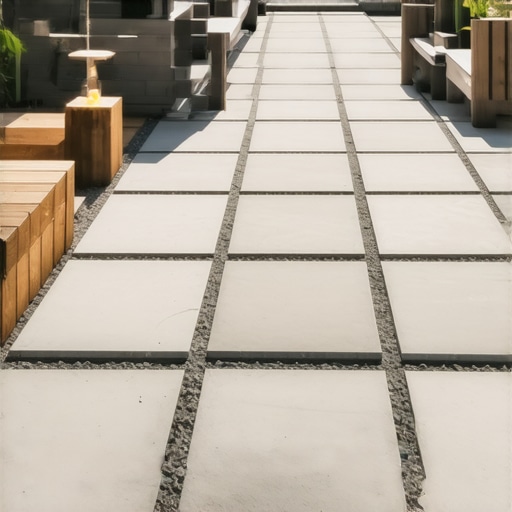
Last summer, I stared at my overgrown backyard, feeling hopeless. The patio was cracked, the garden looked tired, and my outdoor retreat felt more like a chores list than a peaceful escape. It was a lightbulb moment—something had to change. That realization ignited my journey into the latest hardscaping trends for 2025, and let me tell you, the possibilities are exciting but can be overwhelming without the right guidance.
Why Staying Ahead with Hardscaping Trends Matters More Than Ever
Our outdoor spaces are evolving faster than we might expect. With innovations in materials, sustainability, and design, keeping up can seem like a full-time job. But it’s worth it. A well-designed outdoor area increases your home’s value, creates a personal sanctuary, and connects you with nature in a way that feels both modern and timeless. Plus, emerging trends help you avoid the pitfall of creating a space that feels dated in just a few years.
In fact, according to recent landscaping reports, homes with updated outdoor features see an average of 15% higher value. That’s a compelling reason to consider what’s hot for 2025. From innovative paving solutions to eco-friendly lighting, the future of outdoor design is about blending beauty with practicality. If you’ve ever invested in a hardscape only to find it cracked or outdated faster than you expected, you’ll appreciate how choosing the right trends now can save you time and money later.
In this post, I’ll share practical insights and fresh ideas inspired by my own experience and expert sources. Trust me—you don’t have to be a landscape architect to create a stunning outdoor space. Let’s explore what’s new and how you can incorporate these ideas today.
Is Modern Hardscaping Truly Worth the Effort or Just Hype?
Early in my journey, I made the mistake of thinking trendy features were just flash without lasting value. I learned the hard way that rushing into fashionable design without understanding durability and maintenance can lead to regret. Fortunately, I discovered that the right hardscaping ideas, like those discussed in modern outdoor transformations, can provide both style and resilience. If you’ve ever wondered whether all these trends are just passing fads, I’ll break down what truly stands the test of time and how to avoid superficial fixes. Ready to transform your backyard into the outdoor space you’ve always wanted? Let’s dive into the practical steps.
Choose Durable Materials That Last
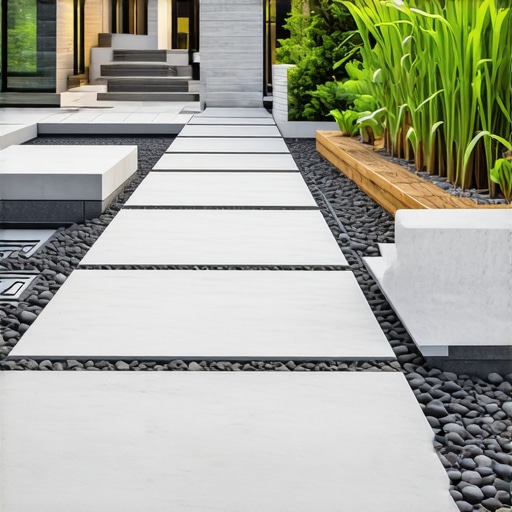
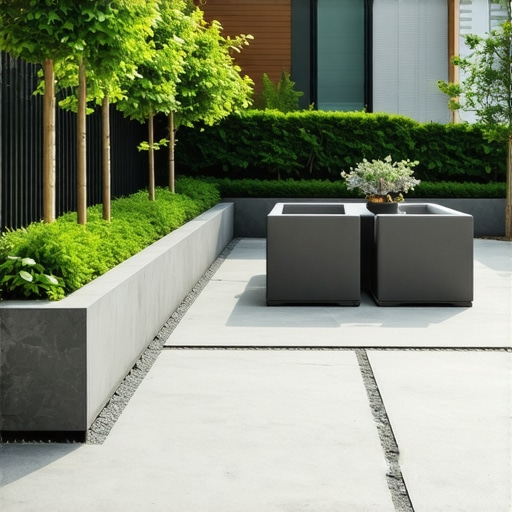
Start by selecting materials that combine resilience with modern aesthetics. For example, opt for permeable pavers made from recycled concrete, which are both eco-friendly and long-lasting. When I replaced my cracked patio, I noticed how modern concrete pavers filed the bill—they looked sleek and withstood our harsh weather. To visualize this, consider modern paving solutions that align with current trends. Don’t rush; ensure your material choice suits your climate and style preferences.
Map Out a Cohesive Design Plan
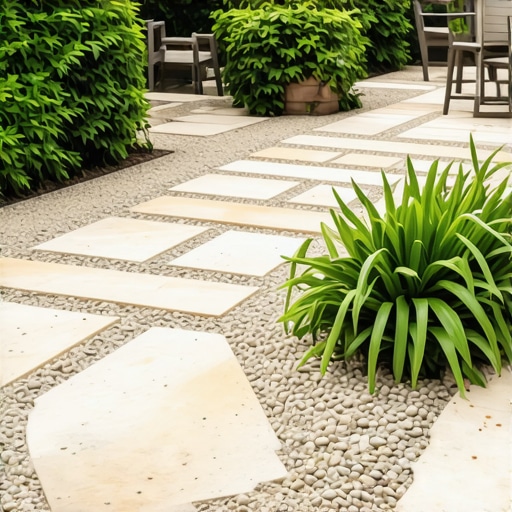
Think of your garden as a concept album—you want every element to harmonize. Sketch your ideas on paper or digital tools, integrating contemporary features like sleek fire pits, minimalist water features, or suspended pergolas. I once sketched a layout that included a stepping-stone pathway leading to a modern seating area—initially messy, but it guided my project. Use design tips for modern gardens to help structure your plan. Remember, clarity in your layout prevents costly mistakes down the line.
Prep and Level Your Foundation Carefully
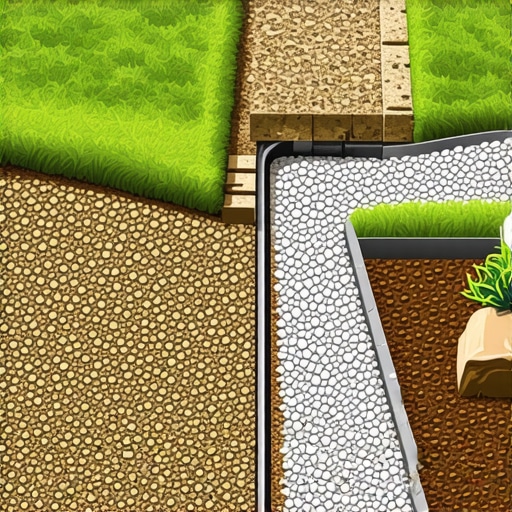
A solid foundation is essential—think of it as building a house on stable ground. Excavate according to your planned design depth, then add a layer of crushed gravel to improve drainage, compacting it thoroughly. During my own project, rushing this step led to uneven paving just months later; I learned that meticulous prep saves headaches. For detailed guidance, see hardscaping ideas. Avoid shortcuts; fasten and level your base precisely to prevent shifting or cracking.
Install Elements Methodically
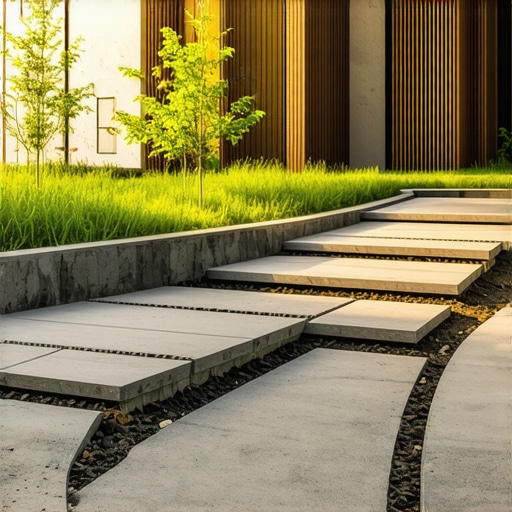
Lay each component systematically. For pavers, start from the edge and work inward, ensuring each piece interlocks tightly and is level with the previous one. Use a rubber mallet and a level to adjust as you go. I once tried to speed this up, but misaligned pavers caused an uneven surface that I had to redo. Check out modern landscaping ideas for tips on structured installation. Patience in this step will result in a seamless, professional look.
Integrate Greenery for Balance and Texture
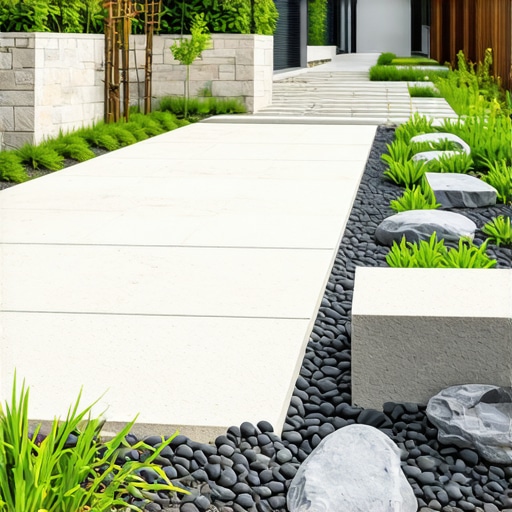
Balance hardscape with lush planting. Select modern, low-maintenance plants like ornamental grasses or succulents that complement your hard elements. When I added a row of drought-tolerant grasses beside my new pathway, it created a striking contrast and reduced maintenance worries. Use landscaping design tips to choose plants that fit your design style and climate. Don’t overcrowd; let hardscape features breathe, and consider vertical gardens or container displays for added dimension.
Install Lighting for Nighttime Appeal
Lighting transforms your space after sunset. Choose modern, energy-efficient fixtures, such as recessed LED lights or solar pathway lamps. During my outdoor makeover, I installed low-voltage LED uplights to highlight my water feature, creating a cozy ambiance. Use lawn care tips to ensure your wiring is safe and hidden. Proper lighting extends usability and enhances the visual appeal—think of it as jewelry for your garden.
Plan for Maintenance and Longevity
Finally, consider ongoing care. Establish a routine for cleaning paved surfaces and trimming plants to keep everything pristine. Apply sealants to pavers periodically to prevent stains and wear. When I neglected this, my pavers faded faster than I expected. Follow lawn care tips that focus on maintenance strategies tailored for modern outdoor features. Quality installation now reduces future repairs, saving time and money.
While many homeowners focus on the basics of lawn care and garden design, there are critical nuances often overlooked that can make or break your outdoor project. One widespread misconception is that using only high-end materials guarantees durability. In reality, the execution, maintenance, and understanding of material properties play equally vital roles. For example, choosing stylish pavers without considering your climate can lead to cracking and shifting over time. It’s essential to select materials like permeable pavers, which cater to drainage and longevity, as highlighted in recent trends for 2025.
What Advanced Techniques Can Elevate Your Garden Design for Lasting Impact?
Many assume that quick fixes or following popular trends will sustain your landscape’s beauty. However, neglecting proper foundation preparation or ignoring the specific needs of your plants and hardscape elements often results in costly repairs and unsatisfactory results. An often-ignored detail is the importance of understanding the microclimate of your space—sun exposure, moisture levels, and soil type—that significantly influence the success of your hardscaping choices. Studies from landscape experts emphasize that tailored solutions outperform generic ones, leading to more resilient and stunning gardens. For instance, integrating vertical gardens or smart lighting, as recommended in modern landscaping ideas, can add both value and sophistication when thoughtfully planned. Avoid the trap of assuming that trendy elements will automatically fit your space; instead, prioritize personalized, research-backed strategies. Remember, achieving a cohesive and durable outdoor environment requires attention to these nuanced factors. Have you ever fallen into this trap? Let me know in the comments.
Keep It Working: Essential Tools and Maintenance Strategies
Maintaining an impeccably landscaped outdoor space requires more than just good design; it involves investing in the right tools and adopting effective methods to ensure long-term beauty and functionality. From precision equipment to smart software, the right setup can make all the difference in reducing effort and increasing durability.
Personally, I rely on a mix of advanced tools like cordless electric lawn mowers and moisture sensors to keep my garden thriving. Electric mowers, such as the Sun Joe Sustainable Series, offer quiet, eco-friendly operation with cutting performance comparable to traditional gas models. Their lightweight design and battery longevity make routine trimming effortless, especially when coupled with a quality mulching blade that promotes healthy soil. Additionally, investing in a smart irrigation controller allows me to automate watering schedules based on real-time weather data, conserving water while preventing over or under-watering. For instance, I use the modern lawn care tips that recommend programmable irrigation systems to optimize plant health over seasons.
To keep hardscapes pristine, I utilize pressure washers with adjustable settings to remove dirt, algae, and stains. I prefer models with heated water capability, like the Kärcher K5, which provide deeper cleaning without damaging surfaces. Regular upkeep prevents cracks and extends the life of pavers and concrete slabs. Incorporating sealants and joint stabilizers, recommended in expert guides (see here), also preserves the integrity of the hardscape materials.
For ongoing landscape care, I rely on landscape monitoring apps such as GrowSmart. These platforms help me track plant health, suggest pruning schedules, and even remind me when to fertilize. As technology evolves, integrating these digital tools will become standard practice for serious garden enthusiasts aiming for low-maintenance, high-impact results. The trend points toward more automation and data-driven landscaping—making maintenance predictable and less time-consuming.
In addition to tools, adopting proper methods like mulching, soil testing, and seasonal pruning ensures the longevity of your investment. For example, routine soil testing—using kits or professional labs—reveals pH and nutrient levels that are critical for tailored fertilization plans, as detailed in modern landscaping ideas. Such proactive care prevents pests, weed overgrowth, and nutrient deficiencies, keeping your outdoor space vibrant for years to come.
How do I maintain my lawn and garden over time?
Consistency is key when it comes to long-term maintenance. Regularly scheduled mowing, watering, fertilizing, and inspecting for pests help catch issues early. Incorporating smart tools like moisture sensors and automated irrigation controllers can reduce guesswork and save resources, leading to a healthier landscape with less manual effort. Remember, the goal is to establish a sustainable routine that adapts with the seasons and growth patterns. Consider consulting expert sources like these modern lawn care tips for detailed schedules tailored to your climate.
As landscape technology advances, the future of garden maintenance is heading toward more integrated, AI-powered systems that learn from your yard’s specific conditions. One innovative approach involves robotic lawn mowers—my personal favorite being the Husqvarna Automower—which can autonomously mow and maintain your lawn daily, ensuring an even growth pattern and reducing your workload. I encourage you to experiment with one of these tips, like installing a smart irrigation controller, to see immediate improvements in your outdoor space’s health and appearance.
Ultimately, investing in quality tools and embracing methodical routines are your best bets for maintaining a lush, durable landscape. Regular care, combined with technological innovations, ensures your outdoor environment remains stunning for years to come. Why not start by testing one advanced maintenance tip today? Your garden will thank you.
Lessons from My Hardscaping Journey That Changed Everything
- Never underestimate the power of a well-prepared foundation; rushing this step can undo months of work. Once I skipped a thorough gravel bed, and my patio shifted within the year, reminding me that patience in prep pays off.
- Embracing sustainable materials isn’t just trendy—it’s essential. Recycled permeable pavers not only look sleek but also withstand weather better, making them worth the investment.
- Personalized design planning makes a world of difference. Tailoring features to your space, like vertical gardens or custom lighting, transforms a standard yard into a personal sanctuary.
- Maintenance routines rooted in technology, such as smart irrigation and monitoring apps, save time and enhance plant health. I’ve seen my landscape thrive when I combined traditional care with these tools.
- Listening to expert insights saves headaches later. Reading carefully curated resources, like those on modern landscaping trends, keeps your project aligned with current durable, stylish ideas.
My Toolbox for a Modern Outdoor Makeover That Lasts
- Permeable recycled concrete pavers: Their durability and eco-friendliness make them my top choice for modern pathways, as explained in hardscaping trends for 2025.
- Smart irrigation controllers: Automating watering based on real-time data has revolutionized my approach, aligning with modern lawn care tips.
- Pressure washers with heated water: They ensure my hardscapes stay pristine, preventing costly repairs and prolonging lifespan, as recommended in hardscaping ideas.
- Landscape monitoring apps like GrowSmart: These digital aids keep my plants healthy and my routine efficient, embodying the future of landscape maintenance.
What Will You Discover When You Trust Your Instincts and the Right Guides?
Designing a resilient and stunning outdoor space is about more than choosing pretty features; it’s about understanding your environment, selecting the right materials, and committing to consistent care. The most valuable lesson I learned is that embracing expert insights, combined with personal experimentation, makes the process both fulfilling and successful. Your outdoor transformation starts with small, informed steps—so why not try incorporating one of these ideas today? Tell me, have you ever faced a tricky hardscaping challenge that taught you a lasting lesson? Share your story below.
Reading through this inspired overview, I can relate to the initial overwhelm when tackling an outdated backyard. What really struck me was the emphasis on foundation prep and material durability—something I underestimated in my early projects. My own experience with poorly prepared bases led to shifting pavers and uneven surfaces, which was frustrating and costly. The advice on using permeable pavers made me think about how much choosing the right eco-friendly materials can make a difference not only in longevity but also in sustainability. I also wonder, how do others here balance aesthetic preferences with climate-specific materials? For example, in areas with heavy rain or snow, what hardened solutions have provided the best longevity? Overall, this post offers practical insights for anyone looking to refresh their outdoor space smartly and effectively.