Why Fertilizer Alone Won’t Fix Your Patchy Fescue
The Myth of the Quick Green-Up
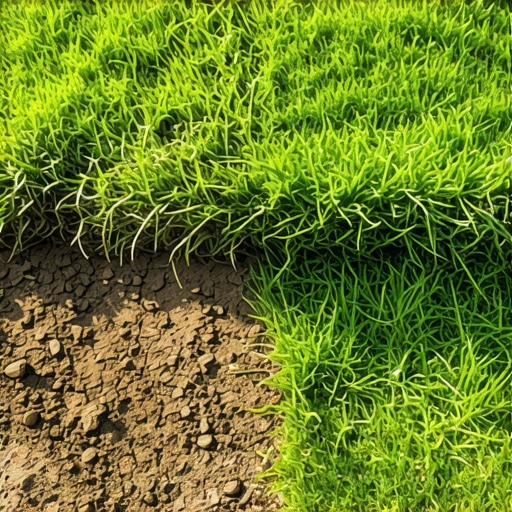
Patchy fescue results from the grass’s inability to spread via rhizomes, meaning bare spots require manual overseeding rather than chemical stimulation. Fertilizer only feeds existing blades; it cannot generate new plants in dead zones where soil compaction, nutrient lockout, or acidic pH prevents root development.
I have spent two decades walking onto properties where homeowners have spent hundreds of dollars on premium nitrogen blends, only to see their lawns thin out and succumb to weeds by mid-July. A homeowner called me in a panic last season after they completely torched their front lawn by applying a high-urea quick-release fertilizer during a 90-degree heatwave. They thought more ‘food’ would help the grass survive the heat. Instead, they spiked the soil salinity and dehydrated the roots at a cellular level. It was a chemical nightmare. The grass didn’t just turn brown; the soil biology was essentially sterilized in the top two inches. We had to excavate and start over. Don’t be that guy. Fertilizer is a supplement, not a cure for structural failure.
The Soil Compaction Barrier
Soil bulk density above 1.6 grams per cubic centimeter physically stops fescue roots from penetrating deep enough to survive moisture stress. Even the highest quality nitrogen-heavy fertilizer remains trapped in the top inch of soil, leading to nutrient runoff and shallow, weak root systems that cannot access deep-seated water reserves.
When your soil is as hard as a brick, those fertilizer granules just sit there. Fescue is a bunch-type grass. It grows in individual clumps. Unlike Kentucky Bluegrass or Bermudagrass, it does not have the horizontal runners to fill in a hole. If you have a patch of bare dirt, nitrogen will only make the weeds next to it grow faster. You need oxygen in the soil. Without core aeration, your soil lacks the pore space necessary for gas exchange. Roots need to breathe. If the bulk density is too high, the roots turn sideways, hitting a physical wall. This is why your lawn looks great in April but dies in July.
“Tall fescue is a bunch-type grass and does not have the ability to spread and fill in bare spots like Kentucky bluegrass or bermudagrass.” – Penn State Extension
The Chemistry of Nutrient Lockout
Soil pH levels below 6.0 create a chemical environment where essential nutrients like phosphorus and magnesium become molecularly bound to soil particles, making them unavailable to the plant. Applying NPK fertilizer to acidic soil is a waste of money because the cation exchange capacity (CEC) is compromised by hydrogen ion interference.
I see it every week: a homeowner throws 10-10-10 on a lawn with a pH of 5.2. At that acidity level, nearly 50% of the nitrogen you apply is wasted. The phosphorus is almost 100% locked away. You aren’t feeding the grass; you’re just salting the earth. You must test your soil. A $20 lab test saves you $200 in wasted fertilizer. We look for the base saturation of calcium and magnesium. If those aren’t balanced, the fescue can’t regulate its internal water pressure. It wilts even if the ground is wet. That is a physiological failure, not a lack of food.
What is the best soil pH for tall fescue?
Tall fescue performs best in a pH range of 6.2 to 7.0, where nutrient availability is maximized for the root system. If your soil test reveals a pH below 6.0, you must apply dolomitic lime to neutralize acidity and provide essential calcium and magnesium ions.
| Soil Property | Ideal Target | Fescue Failure State |
|---|---|---|
| pH Level | 6.2 – 7.0 | < 5.5 (Nutrient Lockout) |
| Bulk Density | < 1.4 g/cm³ | > 1.6 g/cm³ (Compacted) |
| Organic Matter | 5.0% | < 2.0% (Biological Desert) |
| Nitrogen (N) | 2-4 lbs/1000 sq ft / year | Excessive > 6 lbs (Disease Trigger) |
The Thatch and Fungus Connection
Thatch accumulation exceeding 0.5 inches creates a hydrophobic layer that prevents water and fertilizer from reaching the root zone while acting as a nursery for Rhizoctonia solani. Excessive nitrogen application, especially in late spring, fuels brown patch fungus which can decimate a fescue lawn in 48 hours.
Stop over-fertilizing in May. You are just growing fungus food. High nitrogen levels during high humidity lead to succulent, thin-walled grass blades. These are easy targets for fungal hyphae. I’ve seen $10,000 installs ruined because the owner wanted a ‘deep green’ look in June. They pushed the nitrogen, the fungus moved in, and the fescue melted. You want a lean, tough plant, not a bloated, soft one. Keep your thatch under control with annual aeration and avoid high-nitrogen synthetic fertilizers when night temperatures stay above 65 degrees.
“Soil pH is the single most important chemical property of soil. It controls the availability of all other essential plant nutrients.” – Texas A&M AgriLife Extension
How do I fix patchy fescue without tearing up the yard?
Fixing patchy fescue requires a multi-step process: first, perform a core aeration to relieve compaction; second, top-dress with 1/4 inch of organic compost to jumpstart biology; and third, overseed with a high-quality turf-type tall fescue (TTTF) blend at 4-6 lbs per 1000 square feet.
- Test soil pH and adjust with lime or sulfur 30 days before seeding.
- Scalp the existing grass to 1.5 inches to allow sunlight to reach the soil.
- Core aerate in two directions to create at least 20 holes per square foot.
- Apply a starter fertilizer with high phosphorus (the middle number) only at the time of seeding.
- Keep the soil surface moist with light, frequent watering for the first 21 days.
The Maintenance Reality
Fescue is a cool-season grass. It is not ‘set it and forget it.’ You are managing a living organism that is often pushed to its climatic limits. In many regions, fescue is an annual or biennial crop because of the summer heat. If you don’t overseed every fall, the lawn will thin. It is a biological certainty. No amount of ‘Miracle-Gro’ will change the genetic fact that fescue does not spread. It will die. You must replace it. Focus on the soil biology. Feed the soil, and the soil will feed the grass. Use slow-release organic fertilizers that build the microbial population. Avoid the big-box ‘weed and feed’ products that contain harsh pre-emergents which also stunt your grass’s root development. Hard work and engineering beat chemicals every time.
![Stop 2026 Grass Growth in Your Paver Patios [Fix]](https://lawnmajesty.com/wp-content/uploads/2026/07/Stop-2026-Grass-Growth-in-Your-Paver-Patios-Fix.jpeg)
![Why Your 2026 Grass Seed Kills Your Budget [Fix]](https://lawnmajesty.com/wp-content/uploads/2026/06/Why-Your-2026-Grass-Seed-Kills-Your-Budget-Fix.jpeg)