Fix 2026 Moss Invasion with This $25 Liquid Iron
Why Your Lawn Feels Like a Wet Sponge: The Moss Autopsy
A moss invasion in 2026 is never an accident; it is a biological hostile takeover triggered by specific soil failures including compaction, low pH, and poor drainage. When turfgrass roots cannot access oxygen or nutrients, moss (a non-vascular bryophyte) fills the void, thriving in anaerobic conditions that would kill standard Kentucky Bluegrass or Tall Fescue. Most homeowners see green and think it is healthy, but that squishy texture underfoot is the sound of your soil suffocating.
The Chemical Nightmare: A Cautionary Tale
I recall a homeowner in early 2024 who called me in a panic after they completely torched their front lawn. They had seen a patch of moss and, instead of testing the soil, dumped a massive amount of high-nitrogen urea (46-0-0) during a heatwave. The nitrogen sat on the surface because the soil was too compacted to absorb it, creating a chemical burn that decimated the remaining grass. This created a ‘biological vacuum’ that the moss filled within three weeks. It looked like a putting green from a distance, but up close, it was a monoculture of weeds and spores. They spent $5,000 on a renovation that could have been solved with a $25 bottle of liquid iron and a core aerator. Don’t be that person. Understanding the cation exchange capacity of your soil is cheaper than replacing sod.
“Moss does not crowd out grass; it simply moves into the vacancies left by thinning turf. To manage it, one must address the underlying conditions of low fertility, high acidity, or excessive shade.” – Penn State Center for Turfgrass Science
How to Use $25 Liquid Iron for Moss Control
Liquid iron, specifically ferrous sulfate heptahydrate, acts as a desiccant for moss. While turfgrass can metabolize iron to produce deep green chlorophyll, moss has no protective cuticle. When the iron hits the moss, it causes rapid cellular collapse. Within 24 to 48 hours, the moss will turn a necrotic black. This is not the end of the job; it is only the beginning of the excavation. You must physically remove the dead organic matter to allow for gas exchange in the soil profile.
What Is the Best Time to Apply Liquid Iron for Moss?
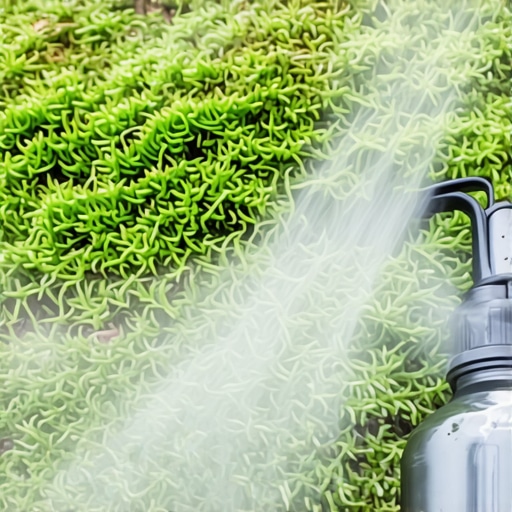
Apply liquid iron when soil temperatures are between 50°F and 70°F and the moss is actively growing. This usually occurs in early spring or late autumn when evapotranspiration rates are lower and moisture is abundant. Avoid application during the heat of the day to prevent leaf blade desiccation on your existing grass. You want a fine mist, not a drench. Ensure the product has at least 15% iron content for maximum efficacy.
| Condition | Moss Preference | Turfgrass Requirement |
|---|---|---|
| Soil pH | 4.5 – 5.5 (Acidic) | 6.2 – 7.0 (Neutral) |
| Compaction | High / Low Oxygen | Low / High Oxygen |
| Moisture | Constant Surface Dampness | Deep, Infrequent Cycles |
| Nitrogen | Very Low Needs | Moderate to High Needs |
The Forensic Diagnosis: Why Moss Returns
If you apply iron and don’t change your grading or soil structure, the moss will be back by the next rain cycle. Moss is an opportunistic survivor. It lacks a true root system, drawing moisture directly through its leaves. This allows it to sit on top of heavy clay soils where grass roots cannot penetrate. If your soil is as hard as a brick, you are growing moss, not a lawn. You need to measure your bulk density. High bulk density prevents the downward movement of water, leading to the hydrostatic pressure that keeps the surface perpetually damp.
“Excessive thatch and soil compaction are the primary drivers of moss encroachment in managed turf settings, as they limit the competitive ability of vascular plants.” – Texas A&M Agrilife Extension
How Much Liquid Iron Do I Need for a Standard Yard?
For a typical 5,000 square foot lawn, you need approximately 32 ounces of liquid iron concentrate. This should be diluted in 5 to 10 gallons of water to ensure even coverage. Calibration is key. If you move too slowly, you risk iron toxicity; too fast, and the moss survives. Check your spray nozzle for a consistent fan pattern. Look for chelated iron if you have alkaline soil, as it remains available to the plant longer than standard sulfates.
The 2026 Moss Remediation Checklist
- Soil Test: Check for pH levels below 6.0 and address with pelletized lime.
- Mechanical Dethatching: Remove the dead moss layer after the iron application.
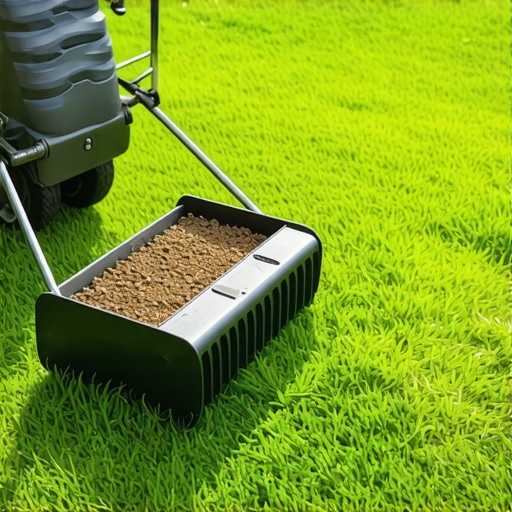
- Core Aeration: Pull 3-inch plugs to break up soil compaction and increase pore space.
- Overseeding: Use shade-tolerant cultivars like Creeping Red Fescue in low-light areas.
- Water Management: Ensure you are delivering 1 inch of water per week in a single session.
Does Liquid Iron Stain Concrete and Pavers?
Yes, liquid iron will permanently stain porous hardscape materials. Ferrous sulfate reacts with oxygen and water to form iron oxide (rust) inside the pores of concrete pavers and natural stone. If you overspray on your $20,000 patio, you will have orange streaks that require muriatic acid to remove. Always sweep or rinse hard surfaces immediately if contact occurs. Better yet, use a shield or a precise hand-sprayer near the edges of your hardscaping features. It’s a chemical, not water. Treat it with respect. Stop the ‘mow-and-blow’ mentality. Real lawn care is about soil chemistry and physical engineering. Fix the dirt, and the moss has nowhere to live.
![Fixing 2026 Yellow Lawn Patches [Pet Waste Fix]](https://lawnmajesty.com/wp-content/uploads/2026/07/Fixing-2026-Yellow-Lawn-Patches-Pet-Waste-Fix.jpeg)