Why Your Vegetable Garden Needs Marigolds This Season
The Biological Reality of the Vegetable Patch
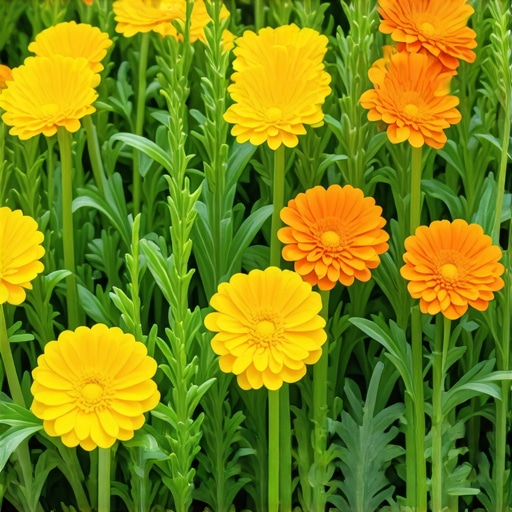
Integrating marigolds into your vegetable garden design provides a natural defense system through the secretion of alpha-terthienyl, a chemical compound that inhibits the development of root-knot nematodes and repels destructive pests like whiteflies and aphids. This biological intervention reduces the need for synthetic pesticides while improving the overall soil microbiology for higher-yielding crops.
I always drill into my new crew members: if you don’t fix the soil grading first, every plant you put in the ground is just expensive compost. It is the same with pest management. You can’t just spray your way out of a bad ecosystem. Last season, I walked onto a job where a client had spent four figures on high-end heirloom tomatoes only to watch them wither because of a massive nematode infestation. The soil was essentially a graveyard. If they had integrated a proper stand of Tagetes patula (French marigolds) six months prior, the soil chemistry would have been entirely different. You have to think like a chemist and an engineer, not just a weekend hobbyist. Landscaping is about building a functional machine. If one gear is stripped, the whole system fails. In a garden, marigolds are a critical gear.
The Engineering of the Root Zone
Most amateur gardeners see the flower; I see the root exudates. The efficacy of marigolds is not found in their orange petals but in their root system. These plants act as a trap crop and a bio-fumigant. When root-knot nematodes (Meloidogyne spp.) attempt to feed on the marigold roots, the alpha-terthienyl prevents their eggs from hatching. This isn’t a suggestion. It is a biochemical certainty. However, you cannot simply throw a few seeds in the dirt and expect results. You need density. You need specific varieties. Most big-box stores sell weak hybrids that lack the chemical potency of true French or African varieties.
“To be effective as a bio-fumigant against nematodes, marigolds must be grown as a solid cover crop for at least two months prior to planting the vegetable crop.” – Penn State Agricultural Extension
Strategic Garden Design and Material Selection
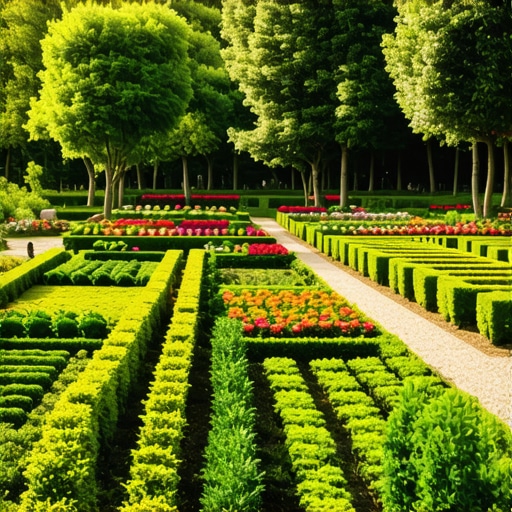
When we talk about garden design, we are talking about spatial efficiency and resource allocation. Marigolds should be treated as a structural component of your lawn care and gardening regimen. Do not plant them in isolated clumps. They need to be interplanted within the drip line of your primary crops—tomatoes, peppers, and brassicas. This ensures that the root systems overlap, creating a continuous chemical barrier in the rhizosphere.
| Marigold Variety | Primary Function | Target Pest | Growth Habit |
|---|---|---|---|
| French (Tagetes patula) | Nematode Suppression | Root-knot Nematodes | Low, bushy, dense roots |
| African (Tagetes erecta) | Heavy Repellent | Whiteflies, Beetles | Tall, large flowers |
| Signet (Tagetes tenuifolia) | Pollinator Attraction | Hoverflies, Bees | Fine foliage, edible |
How to Install Your Biological Shield
The installation process for a functional marigold border requires more than a trowel. It requires an understanding of soil compaction and NPK ratios. Marigolds are resilient, but they will not produce the necessary defensive compounds in anaerobic, waterlogged soil. Check your grading. Ensure you have a 2% slope away from the root crowns of your vegetables to prevent pythium and phytophthora. If the water sits, the roots rot. It is that simple. I prefer a soil pH between 6.0 and 7.0 for maximum nutrient bioavailability. If your soil is heavy clay, you must amend it with expanded shale or high-quality compost before you even think about planting.
- Step 1: Test soil pH and adjust with elemental sulfur or lime to hit the 6.5 sweet spot.
- Step 2: Excavate a trench 6 inches deep for the border marigolds to ensure deep root penetration.
- Step 3: Space French marigolds no more than 8 inches apart to create a root-locking barrier.
- Step 4: Incorporate a low-nitrogen fertilizer (5-10-10) to encourage root and flower development over foliage.
- Step 5: Mulch with clean straw or double-ground hardwood to regulate soil temperature.
How much modified gravel do I need for a patio base?
While marigolds handle the biology, your hardscaping handles the drainage. For any garden-adjacent patio, you need a minimum of 4 to 6 inches of 21A or 411 modified gravel, compacted in 2-inch lifts. If you skip compaction, your garden beds will eventually wash out as the patio settles. Use a plate compactor. The machine should literally bounce off the surface when you hit maximum density. This prevents hydrostatic pressure from pushing silt into your planting zones.
Which marigolds are best for pest control?
For true soil-borne pest suppression, French marigolds (Tagetes patula) are the only valid choice. African varieties are excellent for tall visual screening and repelling airborne insects, but they do not possess the same concentration of thiophenes in the root system required to kill nematodes. Don’t buy the ‘Bonanza’ or ‘Durango’ series just because they look good at the nursery. Look for ‘Nema-Gone’ or ‘Ground Control’ if you are serious about soil health.
“Successful integrated pest management requires the use of competitive plant species that provide both physical and chemical barriers to pathogen movement.” – Texas A&M Agrilife Research
The Maintenance Rigor
Your work doesn’t end when the plant is in the ground. You must monitor for spider mites, especially in high-heat zones like the South or the Central Valley. Marigolds are magnets for them. If you see stippling on the leaves, hit them with a high-pressure water stream. Don’t use broad-spectrum insecticides. You’ll kill the lacewings and ladybugs that the marigolds worked so hard to attract. Gardening is about restraint. It is about letting the biology work. Deadhead the spent blooms to keep the plant’s energy focused on root production and chemical synthesis. At the end of the season, do not pull the plants. Cut them at the soil line and leave the roots to decompose. This releases the final payload of alpha-terthienyl directly into the soil where your next crop will live. This is the difference between a landscaper and a mower. We build systems that last. We don’t just clear the debris.