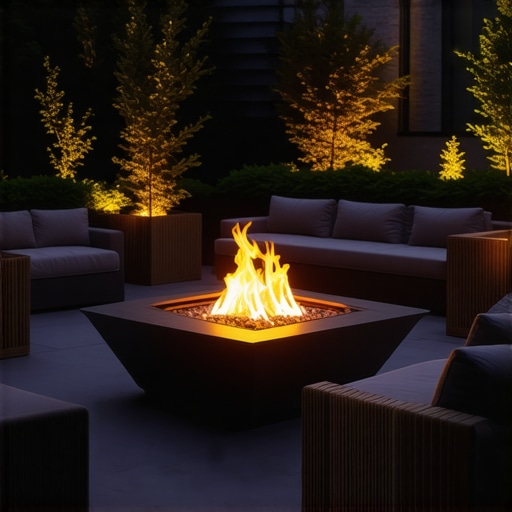
5 Modern Fire Pit Designs for Smaller 2026 Backyard Patios
5 Modern Fire Pit Designs for Smaller 2026 Backyard Patios
I recently got called out to tear up a $30,000 patio that was sinking because the previous contractor thought he could skip the compaction phase on a 15 by 15 foot small-scale build. He dumped four inches of pea gravel into a hole, threw some cheap pavers on top, and called it a day. Within two years, the entire center of that patio had slumped four inches, turning the homeowner’s expensive fire pit into a literal drain for every gallon of rainwater in the neighborhood. This is what happens when you treat hardscaping like a DIY craft project instead of a civil engineering task. In 2026, the trend for small backyards is moving toward high-density utility, but if you do not understand the physics of the ground you are building on, your expensive fire feature will just be a monument to poor planning. I spent three days with a jackhammer remediation crew fixing a mistake that could have been avoided with a plate compactor and a basic understanding of soil mechanics.
Engineering the Foundation for Small Space Fire Features
Modern fire pit designs for small patios require a minimum of 4-inch compacted #57 stone base and a heat-shielding barrier to prevent hydrostatic pressure and thermal cracking. Every square inch matters in hardscaping for restricted footprints where drainage is often overlooked by amateurs and unlicensed hacks.
When we talk about small backyard patios, we are usually dealing with confined drainage patterns. You cannot just drop a 500-pound concrete fire bowl on a standard sand bed. You need to calculate the load-bearing capacity of your subgrade. For most residential clay soils, you are looking at a PSI limit that demands a reinforced base. I always tell my crew that the fire pit is the heaviest thing on that patio. It needs a dedicated footer, usually a 6-inch deep pour of 3000 PSI concrete if it is a permanent masonry install. Do not listen to the guy at the big-box store telling you a few bags of leveling sand will hold it. It will not. It will shift, the joints will pop, and the polymeric sand will fail within one season. We use geotextile fabric between the subgrade and the gravel to ensure that the fines in the soil do not migrate up into our clean stone. This keeps the drainage channels open. If water cannot escape the base, it will freeze, expand, and heave your entire fire pit upward. That is physics, not an opinion.
“A retaining wall doesn’t fail because of the stone; it fails because of the water trapped behind it.” – Hardscape Engineering Axiom
How much modified gravel do I need for a patio base?
To calculate your base material, multiply the square footage of your patio by the intended depth in feet, then divide by 27 to get cubic yards. For a 10 by 10 patio with a 6-inch base, you need roughly 2 cubic yards of 3/4-inch modified gravel. Buy 10 percent extra for compaction loss. You must hit at least 95 percent Proctor density with a vibratory plate compactor or the ground will settle later.
Material Selection: Why High-Performance Pavers Outlast Big-Box Bricks
Choosing the right garden design materials for 2026 involves low-porosity wet-cast concrete or natural basalt. These materials resist freeze-thaw cycles better than standard clay bricks, which often spall when exposed to localized heat from fire features during cold winter months.
In the world of 2026 landscaping, we are seeing a massive shift toward porcelain pavers and high-performance wet-cast concrete. Why? Because the porosity is near zero. Standard red clay bricks are like sponges. They soak up moisture. When you light a fire in the middle of a cold October night, that moisture turns to steam inside the brick and blows the face of the stone right off. We call this spalling. If you want a fire pit that lasts a decade, you use refractory fire bricks for the inner liner and a high-density natural stone like granite or basalt for the exterior. Even better, look at the new 2026 line of pre-cast modular units that use glass-fiber reinforced concrete. These units are lighter, which is critical for small patios where you might have weight restrictions or difficult access for heavy machinery. Just make sure you are using a heat-rated adhesive. Standard construction adhesive will melt and fail at 200 degrees. You need a specialized masonry bond that can handle the thermal expansion of the stone.
| Fuel Type | Base Requirement | Thermal Clearance | 2026 Cost Index |
|---|---|---|---|
| Hardwood | 6″ Stone + Refractory | 15 Feet | Low Operating |
| Natural Gas | Conduit + Concrete Pad | 10 Feet | High Install |
| Propane | Vented Storage Base | 10 Feet | Medium Operating |
| Bioethanol | Zero-Clearance Tray | 5 Feet | High Fuel Cost |
The 5 Modern Fire Pit Designs for 2026
Design selection for garden design projects must balance aesthetic appeal with the biological needs of the surrounding lawn care environment. Heat radiation can scorch turf grass from six feet away if the pit is not properly elevated or shielded from the wind.
1. The Sunken Linear Burner with Integrated Drainage
This is the gold standard for ultra-small urban patios. By dropping the burner into a recessed trough, you create a flush surface that does not break up the visual flow of the small space. The engineering challenge here is the drain. You must install a 4-inch PVC pipe that leads to a French drain or a daylight exit. If you do not, your fire pit becomes a pond every time it rains. We use 304-grade stainless steel for the burner to prevent rust. It is clean, minimalist, and perfect for the 2026 aesthetic.
2. The Corten Steel Obelisk
Corten steel is popular because it develops a protective layer of rust that prevents further corrosion. For a small patio, a vertical obelisk design takes up less than 2 square feet of floor space while providing significant radiant heat. The catch? You cannot place this directly on light-colored pavers. The iron oxide runoff will stain your patio forever. We always build a small dark-stone plinth for Corten features to catch the rust bleed. It looks intentional and saves your stone.
3. The Smokeless Zentro Insert System
Airflow is everything. These units use a double-wall construction to pre-heat the air before it enters the fire chamber, creating a secondary combustion that burns off the smoke. In a small backyard, your neighbors will hate you if you are pumping out thick plumes of oak smoke. These inserts allow you to have a real wood fire without the respiratory irritation. I recommend these for any patio under 200 square feet where air circulation is limited by fences or walls.
4. The Cantilevered Concrete Plinth
In 2026, we are seeing more dual-purpose furniture. This design features a raised concrete slab that acts as a coffee table during the day and a fire feature at night. The burner is hidden under a removable stone lid. It requires a heavy-duty pedestal base and precise leveling. It is a complex build, but it saves you from having to buy separate patio furniture, which is a win in a tight footprint.
5. The Gas-Powered Scupper Pit
If you want the ultimate 2026 look, you combine fire and water. A scupper pit uses a recirculating pump to send water over the edges of the pit while the fire burns in the center. This requires a dedicated electrical line and a gas line. It is the most expensive option on this list, but the white noise from the water mask city sounds, making your small patio feel like a private enclave. Do not try this as a DIY. You are mixing water, gas, and electricity in one unit. Call a pro.
What is the safest distance between a fire pit and a house?
Standard safety codes usually require a minimum of 10 feet from any combustible structure, including your house, shed, or wooden fence. However, local ordinances in 2026 are becoming stricter. Always check your specific municipal fire code. For gas-powered units, some cities allow a reduction to 5 feet with proper heat shielding, but wood-burning units are almost always 10 to 15 feet minimum.
The Critical Pre-Installation Checklist
Before you dig a single hole or buy a single pallet of stone, you must verify the site conditions. This is where most homeowners fail. They buy the pretty rocks first and think about the dirt later. Follow this sequence:
- Call 811 to mark underground utility lines.
- Perform a percolation test to see how fast your soil drains.
- Check the pitch of the yard; you need a 2 percent slope away from the house.
- Measure the wind patterns to ensure smoke won’t blow into your back door.
- Verify that your chosen pavers are rated for high-heat applications.
“Soil compaction is the most ignored phase of residential construction, yet it is the primary cause of 90% of hardscape failures.” – Agronomy Manual for Site Prep
The health of your lawn care regimen also depends on this install. If you don’t manage the runoff from your new patio, you will create a swampy dead zone in your grass. We always install a 1-inch thick layer of river rock around the perimeter of small patios to act as a splash strip. This prevents the heavy rain dripping off the patio from eroding the soil and exposing the roots of your turf. If you’re using a wood-burning pit, be aware that the ash is highly alkaline. If you dump it in your garden beds without testing the pH first, you can easily spike the levels and kill your acid-loving plants like azaleas or blueberries. Landscaping is a system. You change one thing, and it ripples through the whole yard. Build it right the first time, or don’t build it at all.