4 Deer-Resistant Flowering Bulbs for 2026 Spring Color
The Planning Phase: Why 80% of Your Spring Color is Won in October
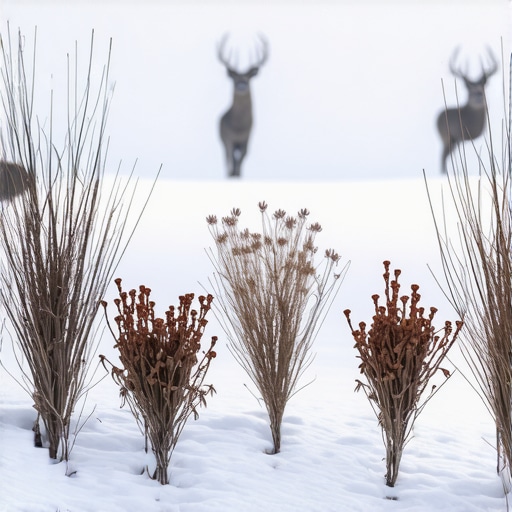
Most homeowners treat bulb planting like a lottery. They buy a bag of dried-out tulips from a big-box store, poke a shallow hole in the clay, and wonder why the deer treated it like a salad bar by March. Successful landscaping requires an engineering mindset. You are not just planting; you are installing a biological system that must survive sub-zero temperatures, hydrostatic pressure, and heavy herbivore pressure. If you do not account for the USDA hardiness zone and the chemical defenses of the plant, you are just throwing money into the dirt. It will fail. I recently got called out to tear up a $30,000 patio that was sinking because the previous contractor ignored the sub-base, but the real tragedy was the $5,000 garden bed right next to it that was stripped to the nubs. The contractor had planted high-nitrogen tulips in a high-traffic deer corridor. It was a buffet, not a garden. You must select species that offer a chemical or olfactory defense mechanism. Deer are ruminants with a highly sensitive sense of smell and a digestive system that avoids specific alkaloids. If the plant tastes like a battery or smells like a skunk, they move on. This is not about aesthetics; it is about defensive garden design.
The Core Science: Soil Preparation and Bulb Physiology
Bulbs require a specific soil pH and high drainage capacity to prevent the basal plate from rotting during the dormant winter months. Most bulbs are basically underground storage organs containing the embryonic flower and a carbohydrate supply. If they sit in water-logged clay, the micropores in the soil fill with water, excluding oxygen and triggering anaerobic respiration. This leads to fungal pathogens like Botrytis or Fusarium. You need to engineer the soil. If you have heavy clay, you must amend it with 20% coarse sand or expanded shale to facilitate macropore drainage. Don’t just dump some mulch on top and call it a day. The soil structure must allow water to move vertically past the bulb at a rate of at least one inch per hour. I tell my crew: if the water sits, the bulb quits. You also need to consider the NPK ratio of your amendments. Too much nitrogen in the fall promotes soft, watery growth that is more susceptible to frost damage and more attractive to pests. Focus on phosphorus for root development and potassium for cellular wall strength.
“Narcissus species contain the alkaloid lycorine, which is toxic to most mammals and serves as a primary deterrent against herbivory.” – National Agricultural Library
4 Top Deer-Resistant Bulbs for 2026
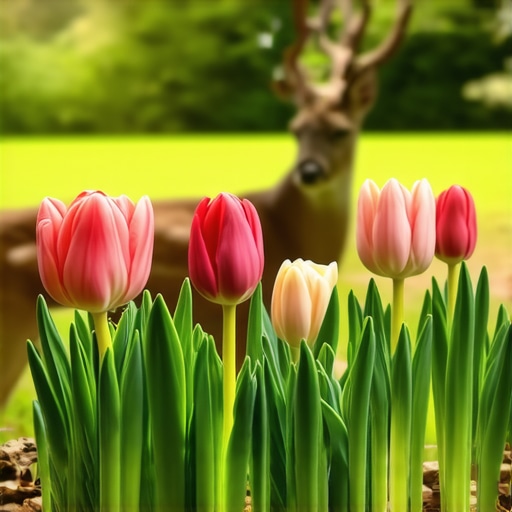
Selecting the right species involves understanding the biochemical warfare plants use to survive. These four choices are the gold standard for high-pressure deer areas. [image_placeholder]
1. Narcissus (Daffodils): The Gold Standard of Toxicity
Narcissus are the most reliable deer-resistant bulbs because every part of the plant contains lycorine, a toxic alkaloid that causes immediate gastric distress in deer and rodents. Even squirrels won’t touch them. For 2026, focus on split-cup or double varieties which offer higher chroma and longer bloom times. Plant them at a depth of 6 to 8 inches to ensure the temperature remains stable throughout the freeze-thaw cycles of late winter. If you plant them too shallow, the soil heaving will push them toward the surface, exposing the basal plate to desiccation. Depth is your friend.
2. Fritillaria imperialis (Crown Imperial): The Olfactory Shield
Fritillaria imperialis is a powerhouse in landscaping due to its skunk-like odor. The bulb itself smells like a wet fox, which is a massive deterrent for deer and voles. These are massive bulbs that require deep planting, at least 8 to 10 inches. They also have a natural depression at the top where water can pool, causing rot. Professional tip: plant the bulb at a 45-degree angle. This prevents water from sitting in the center of the bulb and ensures a higher survival rate in wet springs. This is civil engineering applied to botany.
3. Allium (Ornamental Onion): Chemical Warfare via Sulfur
Alliums are part of the onion family and rely on sulfur compounds to deter browsing. When a deer nips a leaf, the mechanical damage releases a pungent scent that triggers an avoidance response. For a 2026 garden, go for the ‘Globemaster’ or ‘Ambassador’ varieties for height and structural impact. They provide a vertical element that standard lawn care and flower beds lack. They are also highly drought-tolerant once established, making them ideal for the shifting weather patterns we are seeing in recent years.
4. Galanthus (Snowdrops): The Early Warning System
Galanthus, or Snowdrops, are among the first to emerge, often through the snow. They contain galantamine, another alkaloid that deer avoid. Because they are small, they should be planted in drifts of 50 or more to create visual impact. In garden design, these serve as your early-season signal. They require a cold period to trigger the metabolic shift from dormancy to growth, a process known as vernalization. Without a sustained period below 40 degrees Fahrenheit, the internal clock of the bulb won’t reset, and you’ll get nothing but green leaves or no growth at all.
“Poor drainage in clay soils leads to anaerobic conditions, causing the basal plate of the bulb to succumb to fungal pathogens like Fusarium before the first sprout appears.” – Cornell Cooperative Extension
How deep should I plant flowering bulbs?
The standard rule of thumb for bulb planting depth is three times the height of the bulb itself. For a 2-inch tall Narcissus, that means the bottom of the hole should be at least 6 to 8 inches deep. This provides a thermal buffer against fluctuating air temperatures and protects the bulb from frost heave. Shallow planting is the number one cause of failure in residential gardens. It makes the bulbs easy targets for digging rodents and causes the plant to expend too much energy surviving the cold rather than producing a flower.
Will deer eat my tulips if I spray them?
Deer will eventually eat tulips even if they are sprayed with repellents, especially in high-density populations or during late-season food shortages. Repellents are a temporary hardscaping and landscape fix, not a permanent solution. The odor of the spray fades with rain and UV exposure. If you want a zero-maintenance deer-resistant garden, you must choose plants that are systemically toxic or naturally unpalatable. Don’t fight biology; use it. Invest in Narcissus and Alliums instead of fighting a losing battle with expensive sprays.
Bulb Performance and Defense Comparison
| Bulb Species | Primary Deterrent | Planting Depth | Soil pH Preference |
|---|---|---|---|
| Narcissus (Daffodil) | Lycorine Alkaloids | 6-8 Inches | 6.0 – 7.0 |
| Fritillaria imperialis | Sulfurous Odor | 8-10 Inches | 6.5 – 7.5 |
| Allium (Ornamental Onion) | Allyl Sulfides | 6 Inches | 5.5 – 7.0 |
| Galanthus (Snowdrops) | Galantamine | 3-4 Inches | 6.0 – 7.0 |
Pre-Installation Checklist for Spring Color
- Conduct a soil test to determine pH and nutrient deficiencies.
- Order bulbs from wholesale nurseries to ensure high-quality, disease-free stock.
- Amend planting beds with 20% grit or sand for drainage.
- Check 811 before digging deep beds near utility lines.
- Apply a low-nitrogen, high-phosphorus organic fertilizer at the base of the planting hole.
- Install hardware cloth (1/2 inch mesh) if you have high vole or chipmunk pressure.
The Long-Term Outlook: Year One and Beyond
Once your bulbs are in the ground, the work isn’t over. The first year is about establishment. You need to ensure the soil remains moist but not saturated during the autumn root-growth phase. As the soil cools, the bulb will begin to push out a root system from the basal plate. This is the foundation of next year’s bloom. After the flowers fade in the spring, do not cut back the green foliage. That foliage is a solar panel, recharging the bulb’s carbohydrate reserves for 2027. If you cut it early, you are starving the plant. Wait until the leaves are yellow and limp. This is the difference between a one-year display and a perennial investment. Proper landscaping is about playing the long game. Follow the chemistry, respect the engineering, and the deer will look for a snack elsewhere.
![4 Drought-Tolerant Perennials for 2026 Full Sun [Zone 8]](https://lawnmajesty.com/wp-content/uploads/2026/05/4-Drought-Tolerant-Perennials-for-2026-Full-Sun-Zone-8.jpeg)