5 Fragrant Shrubs for Summer Evenings
The Technical Foundation of Aromatic Garden Design
Designing a sensory landscape for summer evenings requires more than just picking pretty flowers; it requires an understanding of micro-climates, thermal inversions, and soil biology to ensure plants thrive long-term. To maximize fragrance, you must strategically place cultivars where evening air currents will carry volatile organic compounds toward your seating areas.
I always drill into my new crew members: if you don’t fix the soil grading first, every plant you put in the ground is just expensive compost. I’ve seen too many rookies drop a $200 7-gallon shrub into a hole that’s essentially a clay bowl with no drainage. By the second summer, that plant is dead from root rot, and the homeowner is out a grand. We don’t do that here. We build from the soil up. A landscape is a living machine. If the hydraulic flow of the yard is broken, the machine seizes. Most people think landscaping is about aesthetics. It’s actually about civil engineering and managing hydrostatic pressure while maintaining a healthy Cation Exchange Capacity (CEC) in the root zone.
“The primary cause of plant failure in new landscapes is not lack of water, but the lack of oxygen in the root zone due to soil compaction and improper planting depth.” – Penn State Department of Plant Science
The Physics of Evening Fragrance: Atmospheric Dynamics
Evening fragrance relies on thermal layering where cooling air traps scents near the ground, making the choice of fragrant shrubs critical for night-time enjoyment. High-performing landscapes utilize hardscaping elements like retaining walls to radiate heat, which keeps the plants active just long enough for the scent to linger in the heavy evening air.
How do I optimize scent throw in a small yard?
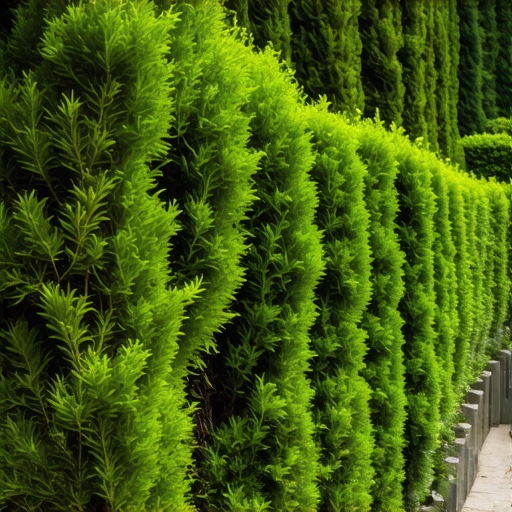
To optimize scent throw, you must analyze the prevailing wind patterns of your specific lot. Air generally moves from high-pressure cooling zones to low-pressure heat sinks in the evening. Place your fragrant shrubs upwind of your patio or deck. Avoid planting them in deep ‘pockets’ where air stagnates, or the scent will simply sit and dissipate into the upper atmosphere once the sun fully sets. Use structural landscaping like fences or dense evergreen hedges to channel these scented breezes toward your primary living spaces.
Top 5 Engineered Shrubs for Evening Fragrance
The following selections are vetted for their USDA Hardiness Zone reliability, structural integrity, and olfactory output. These aren’t big-box store disposables; they are landscape staples that provide long-term ROI.
| Shrub Species | Hardiness Zone | Soil pH Preference | Fragrance Profile | Growth Rate |
|---|---|---|---|---|
| Gardenia jasminoides | 7-11 | 5.0 – 6.5 | Heavy, Sweet, Creamy | Moderate |
| Viburnum carlesii | 4-8 | 5.5 – 7.5 | Spicy, Clove-like | Slow-Moderate |
| Syringa x hyacinthiflora | 3-7 | 6.5 – 7.0 | Classic, Intense | Moderate |
| Osmanthus fragrans | 7-9 | 5.5 – 6.5 | Apricot, Peachy | Moderate |
| Calycanthus floridus | 4-9 | 6.0 – 7.0 | Strawberry, Pineapple | Fast |
1. Gardenia jasminoides (Gardenia)
If you have the right soil microbiology, Gardenias are the gold standard for evening scent. They require acidic soil with a pH between 5.0 and 6.5. If your soil is alkaline, you’ll be fighting iron chlorosis forever. Don’t bother with supplemental fertilizers if your pH is off; the plant can’t uptake the nutrients anyway. We install these near bedroom windows or patios where the dense, waxy flowers can release their oils as the temperature drops. Watch out for whiteflies. Use a systemic drench in early spring.
2. Viburnum carlesii (Koreanspice Viburnum)
This is a workhorse in garden design. It offers a spicy scent that carries further than almost any other shrub. From an engineering standpoint, it’s highly resistant to many common pathogens, provided you have 3 to 4 inches of arborist wood chips (not that dyed mulch trash) to keep the root zone cool. It handles a wider pH range than Gardenias, making it a safer bet for suburban lots with disturbed soil profiles.
3. Syringa x hyacinthiflora (Early Flowering Lilac)
Lilacs are often plagued by powdery mildew in humid climates. However, the hyacinthiflora hybrids are bred for better disease resistance and earlier bloom times. In lawn care circles, we warn about planting these too close to turf that gets high-nitrogen fertilizer. Too much nitrogen gives you big green leaves but zero flowers. Prune these immediately after they bloom to set the buds for next year. Don’t wait until winter. You’ll cut off next year’s show.
4. Osmanthus fragrans (Sweet Olive)
An evergreen powerhouse. In the South, this is a staple for privacy screening that happens to smell like a peach orchard. It can reach 15 feet if left alone. We use these as hardscaping softeners—planting them behind stone walls to break up the vertical lines. They are tough as nails once established. They don’t need pampering. They need space and well-drained soil.
5. Calycanthus floridus (Carolina Allspice)
A native option for the ecologically minded. The scent is complex—hints of melon and strawberry. It’s a suckering shrub, meaning it will spread. Use this if you need to fill a large area quickly. It’s particularly effective in landscaping transitions between manicured lawns and woodland edges. It’s deer resistant too. They hate the taste. We love the smell.
“Proper drainage is the cornerstone of all successful woody plant installations. In heavy clay soils, planting the root ball 1-2 inches above the surrounding grade is mandatory to prevent crown rot.” – ICPI Hardscape & Softscape Standards
The Installation Protocol: How to Plant for Longevity
Stop digging deep holes. Dig wide ones. The root system of a shrub needs lateral space to expand into uncompacted soil. If you dig a deep, narrow hole, you’re just creating a pot in the ground. The roots will circle the hole and eventually girdle the trunk. This is slow-motion suicide for the plant.
- Excavation: Dig a hole 3 times the width of the root ball.
- Depth: The root flare—where the trunk widens into roots—must be visible above the soil line.
- Backfill: Use the native soil. Do not fill the hole with pure potting soil or peat moss; it creates a moisture barrier that prevents roots from venturing into the surrounding yard.
- Hydration: 10 gallons of water per inch of trunk diameter immediately after planting. No exceptions.
- Mulching: 2-3 inches of organic matter. Keep it away from the trunk. No mulch volcanoes. It rots the bark.
What is the best soil pH for fragrant flowering shrubs?
Most fragrant shrubs prefer a slightly acidic to neutral pH (5.5 to 7.0). However, the specific requirement depends on the species. Conduct a professional soil test before planting. Adding lime or sulfur without a test is just guessing, and guessing is how you kill expensive nursery stock. If your soil is 7.5 or higher, stick to Lilacs or certain Viburnums, or be prepared to excavate and replace the soil with an engineered mix.
Maintenance and Irrigation Logic
You cannot rely on a standard lawn care sprinkler system to keep shrubs alive. Turf needs frequent, shallow watering. Shrubs need deep, infrequent saturation. If you run your sprinklers for 20 minutes every day, you are encouraging shallow root systems that will fail during a drought. We recommend Netafim drip tubing laid under the mulch. It delivers water directly to the root zone with zero evaporation loss. Aim for 1 inch of water per week, delivered in one or two heavy sessions. Force those roots to grow deep into the subsoil. That’s where the stability is. That’s where the moisture stays. Landscaping is a long game. Play it right. [{“@context”:”https://schema.org”,”@type”:”Article”,”headline”:”5 Fragrant Shrubs for Summer Evenings: An Engineering Approach to Aromatic Landscapes”,”author”:{“@type”:”Person”,”name”:”Veteran Horticulturist”},”description”:”Professional guide to selecting and planting fragrant shrubs for summer evenings using engineering and horticultural standards.”,”articleSection”:”Landscaping and Garden Design”},{“@context”:”https://schema.org”,”@type”:”FAQPage”,”mainEntity”:[{“@type”:”Question”,”name”:”How do I optimize scent throw in a small yard?”,”acceptedAnswer”:{“@type”:”Answer”,”text”:”To optimize scent throw, place fragrant shrubs upwind of seating areas and utilize air current patterns. Structural elements like fences can help channel breezes toward patios.”}},{“@type”:”Question”,”name”:”What is the best soil pH for fragrant flowering shrubs?”,”acceptedAnswer”:{“@type”:”Answer”,”text”:”Most fragrant shrubs prefer a pH between 5.5 and 7.0. A professional soil test is recommended to determine specific amendments like lime or sulfur needed for your site.”}}]}]