![Why Your 2026 Fescue Needs Lime [Soil pH Guide]](https://lawnmajesty.com/wp-content/uploads/2026/05/Why-Your-2026-Fescue-Needs-Lime-Soil-pH-Guide.jpeg)
Why Your 2026 Fescue Needs Lime [Soil pH Guide]
The Yellowing Autopsy: Why Your High-End Fescue is Starving in a Sea of Nitrogen
Your lawn is currently suffering from a chemical blockade. Soil pH determines the bioavailability of essential macronutrients like nitrogen, phosphorus, and potassium, meaning that if your soil is too acidic, you can pour hundreds of dollars of fertilizer onto your turf and the grass will literally starve because it cannot physically absorb the molecules. This is the reality for most 2026 fescue lawns that have seen heavy rainfall or repeated synthetic fertilization. The fescue looks pale, the blades are thinning, and the ground feels tight. It is not a water issue. It is not a bug issue. It is a chemistry issue. If you ignore the pH, you are just throwing money into the dirt. Stop it.
The Chemical Nightmare: When Good Fertilizer Goes Bad
A homeowner called me in a panic after they completely torched their front lawn by applying three rounds of high-nitrogen quick-release fertilizer in a single spring. They thought the yellowing meant it was hungry. In reality, the soil was already sitting at a 5.2 pH. By adding more ammonium-based nitrogen, they drove the acidity even lower, causing a total root collapse. The lawn didn’t just turn brown; it looked like it had been hit with a blowtorch. This is the ‘Chemical Nightmare’ I see every season. People treat the symptoms without diagnosing the soil. The nitrogen sat on the surface, unusable, until it reached toxic concentrations that desiccated the root crowns. We had to core aerate, apply heavy dolomitic lime, and wait six months for the biology to reset. Don’t be that guy.
“Soil acidity directly affects the solubility of plant nutrients and the activity of microorganisms responsible for breaking down organic matter.” – Penn State Agricultural Extension
The Science of Soil pH and Nutrient Lockout
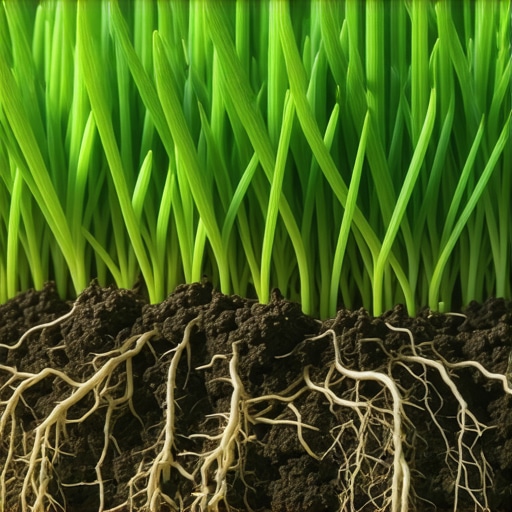
Soil pH is measured on a scale from 0 to 14, with 7.0 being neutral. For Tall Fescue, the sweet spot is 6.2 to 6.8. When your soil drops below 6.0, you enter the danger zone. At a pH of 5.0, only about 50 percent of the nitrogen you apply is actually available to the plant. The rest either leaches into the groundwater or stays bound to soil particles where the roots can’t touch it. This is due to the Cation Exchange Capacity (CEC). In acidic soil, hydrogen ions dominate the exchange sites on soil particles, pushing out the calcium, magnesium, and potassium that the fescue needs to build cell walls and facilitate photosynthesis. You aren’t just adjusting a number; you are unlocking the pantry.
| Soil pH Level | Nitrogen Efficiency | Phosphorus Efficiency | Potassium Efficiency |
|---|---|---|---|
| 7.0 (Neutral) | 100% | 100% | 100% |
| 6.0 (Slightly Acidic) | 89% | 52% | 100% |
| 5.5 (Acidic) | 77% | 48% | 77% |
| 5.0 (Very Acidic) | 53% | 34% | 52% |
How much lime do I need per 1000 square feet?
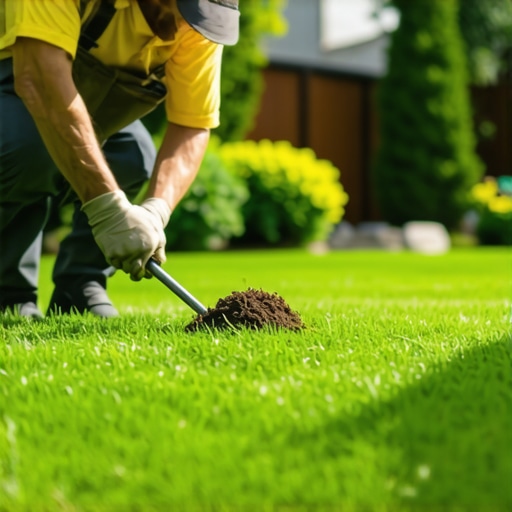
To move fescue soil pH from 5.5 to 6.5, you typically need 50 to 100 pounds of pelletized lime per 1,000 square feet, depending on whether you have heavy clay or sandy loam soil. Clay soils have a higher buffering capacity, meaning they resist changes in pH and require significantly more lime to move the needle. You cannot guess this. You must use a calibrated soil probe to take samples from 4 inches deep at ten different locations in your yard. Mix them in a plastic bucket and send them to a lab. Do not use those cheap $10 probes from the hardware store; they are notoriously inaccurate and will lead you to over-liming, which is just as destructive as acidity.
“Correcting soil pH is the single most cost-effective way to improve turfgrass quality and fertilizer efficiency in residential landscapes.” – Agronomy Manual of Standards
Can I apply lime and fertilizer at the same time?
You can apply pelletized lime and fertilizer on the same day, but it is better to stagger them by at least two weeks to prevent chemical interference between the calcium in the lime and the nitrogen in the fertilizer. If you apply urea-based nitrogen and lime simultaneously, a chemical reaction can occur that converts the nitrogen into ammonia gas, which then dissipates into the atmosphere before the grass can use it. This is called volatilization. For the 2026 season, I recommend applying your lime in late fall or early winter. Lime is slow-acting. It requires moisture and time to break down and move through the soil profile. Applying it in December ensures the soil chemistry is corrected by the time the spring growth flush begins in March.
The 2026 Liming Checklist: Doing It Right
Don’t just walk out there and start throwing white pellets. Follow this protocol or don’t bother doing it at all. Precision is the difference between a professional result and a wasted Saturday.
- Soil Test First: Never apply lime without a lab-verified pH reading and a Buffer pH (Woodruff or SMP) value.
- Calculate Square Footage: Measure your lawn area accurately. Most homeowners overestimate their yard size by 30 percent.
- Choose the Right Material: Use pelletized dolomitic lime for ease of spread and to add magnesium, or calcitic lime if your magnesium levels are already high.
- Calibrate Your Spreader: Ensure your broadcast spreader is dropping the correct poundage. A setting for fertilizer is not the same as a setting for lime.
- Water it In: Lime needs water to start the reaction. Aim for 0.5 inches of irrigation or time your application before a steady rain.
The Forensic Recovery: Maintaining the 6.5 Sweet Spot
Once you have corrected the pH, your work isn’t over. Heavy rain leaches calcium and magnesium out of the soil, and synthetic fertilizers are inherently acidifying. In regions with heavy clay, like the transition zone, I recommend a maintenance application of 20 to 25 pounds of lime per 1,000 square feet every year. This prevents the slow slide back into acidity. Watch the weeds too. Certain weeds like Sheep Sorrel and Moss thrive in acidic soil. If you see them creeping in, your pH is likely dropping. Check the soil. Adjust the chemistry. Keep the fescue dominant. It is a constant battle against the local geology, but it is one you can win with a spreader and a bit of science. Your 2026 lawn depends on the moves you make right now.