
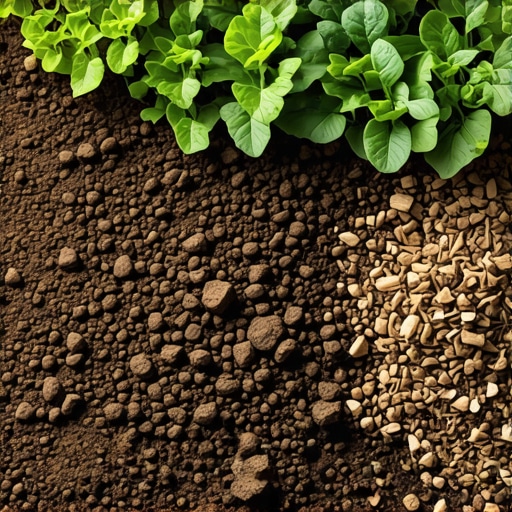
Fix 2026 Clay Soil with These 3 Organic Amendments
Heavy clay soil is the bane of the modern landscaper, but it is also a misunderstood asset. In my twenty years of running a hardscape and design firm, I have seen more money wasted on ‘quick fixes’ for clay than on any other aspect of site prep. For the 2026 season, we are moving away from the outdated ‘trench and fill’ methods and toward a total chemical and structural overhaul. Clay is not just ‘thick dirt.’ It is a collection of microscopic, plate-like minerals that stack together like a deck of cards, leaving zero room for oxygen. If you do not address this at a molecular level, your landscaping project will fail. It is that simple.
The Apprentice Lesson: Why Grading and Soil Science Matter
I always drill into my new crew members: if you don’t fix the soil grading first, every plant you put in the ground is just expensive compost. I once walked onto a site where a previous contractor had installed $40,000 worth of specimen trees into heavy clay without amending the site or checking the grade. Within six months, every single tree was dead. Why? Because they had created a series of ‘tea cups.’ The holes they dug in the clay acted as bowls that held water. The roots literally drowned because the surrounding clay wouldn’t let the water escape. We had to rip out the dead wood, regrade the entire lot to ensure a 2 percent slope away from the root zones, and restart the soil profile from scratch. It was a $60,000 mistake that could have been avoided with a few loads of the right amendments and a laser level.
Understanding Clay Soil Structure
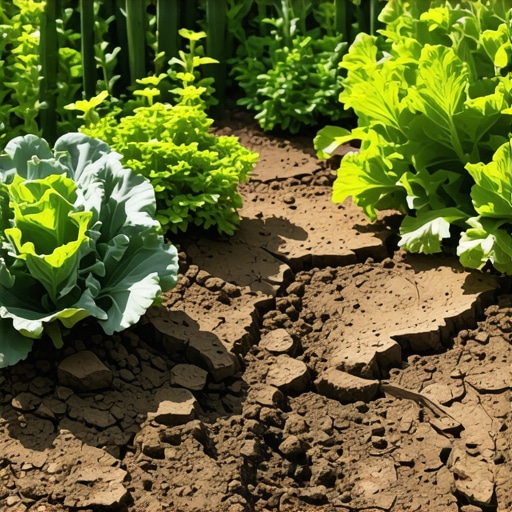
Clay soil is composed of microscopic, flat particles that stack tightly, eliminating pore space and trapping water. Fixing it for 2026 landscapes requires breaking the chemical bonds between these particles using organic amendments to improve drainage and aeration for healthy root systems. Most people think you can just add sand to clay to ‘lighten it up.’ Never do this. Adding sand to clay creates a material that is structurally similar to concrete. You must use organic matter or specific mineral amendments that change the way the clay particles interact. This process is called flocculation. Without it, your soil remains a stagnant, anaerobic mess that will rot anything you plant.
“Clay soils have high water-holding capacity but low aeration, necessitating the addition of organic matter to improve soil tilth.” – University of California Agriculture and Natural Resources
1. High-Quality Composted Organic Matter
Composted organic matter acts as a biological glue, creating aggregates that force clay particles apart. By introducing humus, you increase CEC (Cation Exchange Capacity), allowing the soil to retain nutrients while providing the macro-pores necessary for oxygen to reach plant roots. Do not use the cheap ‘forest products’ bags from the big box store. Those are usually just ground up pallets and dye. You need high-quality, fully decomposed leaf mold or mushroom compost. For a 2026 landscape install, we recommend a 3 to 4 inch layer tilled into the top 8 inches of the soil profile. This is not a one-time fix. Organic matter breaks down. You are starting a biological engine that requires annual top-dressing to maintain the soil structure you have fought so hard to build.
How much organic matter do I need for clay soil?
To see a measurable difference in soil structure, you need to aim for a 5 percent to 10 percent organic matter content by volume. For most residential projects, this means applying 3 cubic yards of compost per 1,000 square feet. This will provide enough material to physically separate the clay platelets and provide a food source for the microbes that further stabilize the soil. Do not skip this measurement. Guessing leads to subpar results and stunted plant growth.
2. Pelleted Gypsum (Calcium Sulfate)
Gypsum is a mineral amendment that works through ion exchange to displace sodium and bridge clay particles into larger peds. This process improves water infiltration without drastically altering the soil pH, making it a critical tool for contractors dealing with heavy, sodic clays. When the calcium in gypsum replaces the sodium on the clay particles, the clay ‘fluffs’ up. It becomes more friable. You can actually feel the difference under your boots. We typically apply 40 pounds per 1,000 square feet on our heavy clay sites. It won’t work overnight. It takes water to move the gypsum into the soil profile, so expect to see the full results after a few heavy rain cycles or consistent irrigation.
“Soil flocculation through calcium addition can assist in aggregating clay particles, though organic matter remains the primary driver of structure.” – Soil Science Society of America
3. Expanded Shale
Expanded shale is a porous ceramic material that provides permanent mechanical aeration in heavy clay. Unlike organic matter that decomposes, shale stays in the soil for decades, preventing compaction and ensuring that perennial root systems do not suffocate during heavy rain events. This is the ‘secret weapon’ of high-end garden design. Expanded shale is made by firing shale in a kiln until it pops like popcorn. It is lightweight and full of tiny holes. When you till this into clay, it creates permanent air pockets. It is expensive compared to compost, but for 2026, it is the gold standard for high-value planting beds where you cannot afford a plant failure.
What is the best amendment for heavy clay soil?
The best amendment is a combination of expanded shale for permanent structure and composted leaf mold for biological health. While gypsum is effective for specific chemical issues, the mechanical separation provided by shale ensures that the soil cannot settle back into a dense, anaerobic block. Using both ensures your garden design has the drainage and nutrient availability required for long-term success.
Comparing Clay Amendments for 2026
| Amendment | Primary Function | Longevity | Best For |
|---|---|---|---|
| Compost | Biological Health | 1-2 Years | Vegetable gardens and annual beds |
| Gypsum | Chemical Flocculation | 3-5 Years | Sodic clays and turf prep |
| Expanded Shale | Mechanical Aeration | 20+ Years | Perennial beds and specimen trees |
The 5-Step Clay Remediation Protocol
- Soil Test: Always start with a lab test to check pH and CEC.
- Rough Grade: Ensure the subsoil is pitched at least 2 percent away from structures.
- Apply Amendments: Layer your shale, compost, and gypsum according to your square footage.
- Mechanical Incorporation: Use a rear-tine tiller to incorporate to a depth of 8 inches. Do not till when wet.
- Final Grade and Mulch: Smooth the surface and apply 3 inches of arborist wood chips to protect the new structure.
The Myth of Sand in Clay
I have to address this because every DIY blog still suggests it. Do not add sand to clay. Unless you are adding 80 percent sand by volume, you are simply filling the small gaps between clay particles with smaller particles, creating a density that mimics a sidewalk. I have seen countless homeowners ruin their ‘dream garden’ by tilling in a few bags of play sand. If you want to fix drainage, you need large-particle organic matter or expanded aggregates. Sand is the enemy in a clay-dominant environment. Stick to the biology. Stick to the chemistry. Your plants will thank you. It will rot if you don’t. Don’t skip the testing phase.
How long does it take to break up clay soil naturally?
Naturally, it can take a decade or more for native grasses and deep-rooted perennials to break up heavy clay through carbon sequestration and root penetration. However, by using a tilling regimen with organic amendments, a professional crew can achieve better results in a single weekend. The goal is to jumpstart the natural process so your landscaping looks established by the first growing season. Time is money in this business. We don’t wait for nature; we provide the tools nature needs to work faster.
![Stop 2026 Pine Needle Drop [Soil Nutrition Fix]](https://lawnmajesty.com/wp-content/uploads/2026/07/Stop-2026-Pine-Needle-Drop-Soil-Nutrition-Fix.jpeg)
![Why Your 2026 Cedar Fence is Turning Gray [Fix]](https://lawnmajesty.com/wp-content/uploads/2026/06/Why-Your-2026-Cedar-Fence-is-Turning-Gray-Fix.jpeg)