5 Deer-Proof Plants That Survived the 2026 Winter
Why 2026 Was a Litmus Test for Landscape Survival
The 2026 winter redefined the standards for hardy landscaping by combining sustained sub-zero temperatures with multiple ice-loading events and extreme deer browsing pressure. To survive, a plant required more than just a cold-hardy rating; it needed the structural integrity to withstand heavy snow and the chemical defenses to repel starving herds. Most homeowners think a plant is either ‘hardy’ or it isn’t, but that is a gross oversimplification. I always drill into my new crew members: if you don’t fix the soil grading first, every plant you put in the ground is just expensive compost. You can buy the most expensive Picea in the nursery, but if you drop it into a clay bowl with zero drainage, the frost heave of a winter like 2026 will snap the feeder roots like dry twigs before the deer even get a chance to nibble the terminal buds. We spent most of that spring excavating ‘professionally’ installed gardens that had turned into frozen swamps because the previous contractors didn’t understand the basic physics of hydrostatic pressure and soil pore space.
“A retaining wall doesn’t fail because of the stone; it fails because of the water trapped behind it.” – Hardscape Engineering Axiom
How do I protect plants from a polar vortex?
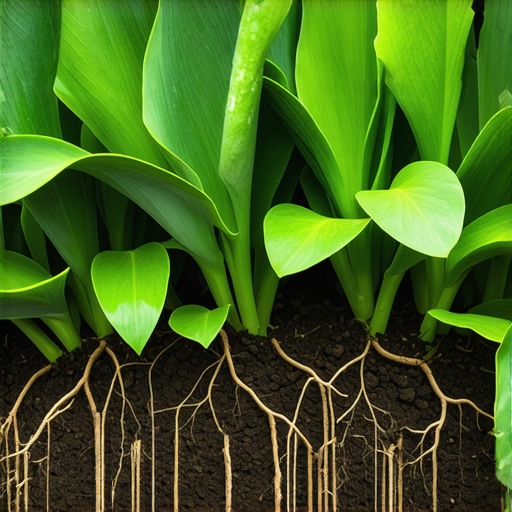
Protecting landscapes from extreme cold requires deep hydration before the first hard freeze and the application of organic mulch to regulate soil temperature and prevent frost heaving. It is a matter of biology. When the ground freezes, the plant enters a state of physiological drought. If the roots are encased in ice without a proper mulch buffer, the cellular water is pulled out of the plant, leading to desiccation. [IMAGE_PLACEHOLDER]
The Engineering of a Deer-Resistant Garden
Successful garden design in high-pressure deer zones relies on phytochemical deterrence and mechanical defense rather than just aesthetic selection. In 2026, the deer were so desperate they were stripping bark off young maples, yet these five species stood their ground because they are fundamentally unpalatable. We are talking about alkaloids, volatile oils, and rough textures that make the foliage feel like sandpaper in a deer’s mouth. When you are planning a high-end landscaping project, you have to look at the biochemical profile of the species.
“Herbivory by Odocoileus virginianus is primarily dictated by the availability of preferred forage and the nutritional stress of the herd; however, plants containing specific alkaloids or high silica content are consistently bypassed.” – Penn State Agricultural Extension
1. Picea pungens (Colorado Blue Spruce)
The Colorado Blue Spruce survived 2026 due to its epicuticular wax coating and sharp, stiff needles that provide a physical deterrent to browsing. This isn’t just a pretty blue tree. That blue hue is actually a heavy layer of wax that prevents moisture loss during 20-mph frozen winds. In our hardscaping projects, we use these as anchors. The root system is aggressive and helps stabilize soil near retaining walls. If you plant these, ensure you do not bury the root flare. I see hacks burying the trunk 6 inches deep every day. It will rot. The flare must be visible at the soil line to allow for proper gas exchange in the rhizosphere.
2. Helleborus (Lenten Rose)
Helleborus varieties are effectively immune to deer because their foliage and flowers contain protoanemonin, a toxin that causes severe mouth irritation. These plants stayed green under three feet of snow in 2026. When the thaw happened, they were the first to bloom. They are the ultimate lawn care alternative for shaded corners. We install these in garden designs where the soil pH is between 6.0 and 7.0. If your soil is too acidic, you are wasting your money. Test your soil. Don’t guess.
3. Buxus microphylla (Littleleaf Boxwood)
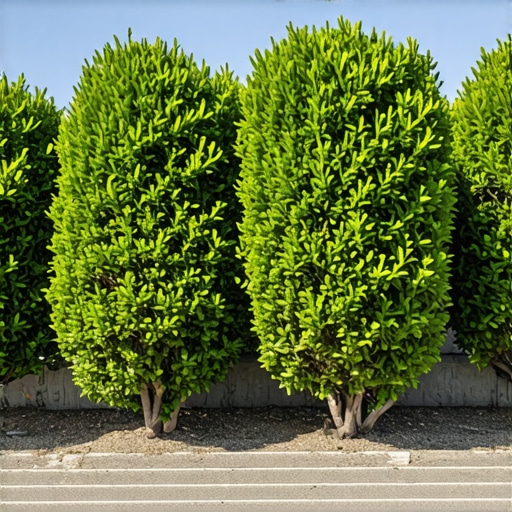
While some boxwoods suffered winter bronzing, the Littleleaf Boxwood held its color and was completely ignored by deer due to the alkaloids in its leaves. The key to their survival was proper drainage. We install these on a modified gravel base if the site has heavy clay. You need to treat the planting hole like a mini-engineering project. If the water can’t exit the root zone, the freeze-thaw cycle will expand the water, crushing the roots. We use polymeric sand in nearby paver joints to ensure no weed pressure interferes with the boxwood’s shallow root system.
4. Juniperus virginiana (Eastern Red Cedar)
The Eastern Red Cedar is a native powerhouse that thrives in poor soil conditions and repels deer with its volatile oils and prickly texture. This is the plant I recommend when a client has a failing slope or needs a natural privacy screen. It handles hydrostatic pressure better than almost any ornamental. During the 2026 ice storms, the flexible branches of the Juniper bowed but didn’t break. Compare that to the brittle structure of an ornamental pear, which is a horticultural disaster waiting to happen. Junipers are the bridge between civil engineering and horticulture.
5. Ilex opaca (American Holly)
The American Holly survived the 2026 winter because of its thick leaf cuticle and spined margins, which make it a painful choice for any foraging animal. It is a slow grower, which means the lignin in the wood is incredibly dense. This density allows it to support heavy ice loads without structural failure. In landscaping, we use these as focal points. They require slightly acidic soil. If you have high alkalinity from concrete runoff near your patios, you’ll need to amend with elemental sulfur. It is a 4-inch deep application, once a year. Do not skip this.
What are the best deer resistant shrubs for zone 6?
The best deer resistant shrubs for Zone 6 include Buxus, Pieris japonica, and Juniperus, as these species possess either toxic secondary metabolites or mechanical defenses like thorns and leathery textures. You have to understand that ‘deer-proof’ is a spectrum. If a deer is starving to death, it will eat a fence post. But in a typical winter, these shrubs are at the bottom of the menu. We focus on native species because they have co-evolved with local pest pressures.
| Plant Species | USDA Zone | Primary Defense | Soil Preference |
|---|---|---|---|
| Picea pungens | 2-7 | Sharp Needles / Wax | Well-drained Loam |
| Helleborus | 4-9 | Chemical Toxicity | Moist / Alkaline |
| Buxus microphylla | 5-9 | Scent / Alkaloids | Neutral pH |
| Juniperus virginiana | 2-9 | Volatile Oils | Adaptable / Rocky |
| Ilex opaca | 5-9 | Spined Margins | Acidic |
The Critical Installation Checklist
- Expose the Root Flare: Never pile mulch against the trunk; this leads to adventitious roots and rot.
- Pre-Winter Hydration: Apply 1 inch of water per week through November to ensure cell turgor.
- Avoid Mulch Volcanoes: Maintain a 2-inch depth of triple-shredded hardwood mulch in a wide circle.
- Soil Compaction Check: Use a penetrometer to ensure your hardscaping didn’t compact the planting beds.
- Wind Protection: Use burlap screens for broadleaf evergreens on the windward side of the property.
Landscape success isn’t about luck. It is about site prep and species selection based on data, not just what looks good at the garden center in May. In 2026, the people who followed the engineering standards for soil and drainage were the ones with green yards in April. The rest were left with dead sticks and a bill for remediation. Don’t be the homeowner who pays for the same garden twice because you skipped the base-layer compaction or ignored the soil pH. Real landscaping is a long-term investment in biological infrastructure. It requires a maintenance schedule that respects the nitrogen cycle and the microbiology of the dirt. If you treat your yard like a construction site instead of a living system, you will fail every single time the weather turns ugly.