Stop 2026 Lawn Thatch: 3 Vertical Mowing Rules
The Forensic Autopsy of a Suffocating Lawn
If your lawn feels like walking on a mattress, you are witnessing a slow-motion ecological collapse. I recently saw this first-hand when a homeowner called me in a panic after they completely torched their front lawn. They had applied a high-nitrogen starter fertilizer every three weeks, thinking more food meant more green. Instead, they forced the grass to grow so fast it couldn’t decompose its own organic matter. The result was a two-inch layer of lawn thatch that acted like a waterproof raincoat over the soil. When the July heat hit, the grass roots, which were stuck in the thatch rather than the dirt, cooked in the sun. We had to scrape the entire property and start from scratch because the soil microbiology was essentially dead. This isn’t just a cosmetic issue; it is a structural failure of your garden design. Thatch is a layer of living and dead stems, roots, and debris that accumulates between the green blades and the soil surface. A little is good for cushioning, but more than half an inch is a death sentence for lawn care. It creates a hydrophobic barrier that prevents water and oxygen from reaching the root zone. You aren’t just cutting grass; you are managing a biological waste system. If the system backs up, the lawn dies. Period.
“Excessive thatch accumulation often results from an imbalance between organic matter production and decomposition, frequently exacerbated by over-fertilization and improper irrigation.” – Penn State Extension
What is the primary cause of lawn thatch buildup?
Lawn thatch buildup occurs when the rate of organic matter production from stolons and rhizomes exceeds the rate of microbial decomposition within the soil. High-nitrogen fertilization, excessive watering, and acidic soil pH levels (below 6.0) suppress the beneficial bacteria and fungi required to break down lignin-heavy plant tissues.
Understanding the chemistry of thatch is the first step toward 1800-word expertise. Thatch is not made of grass clippings. That is a common myth pushed by people who don’t understand agronomy. Grass clippings are 90 percent water and break down quickly via nitrogen-cycling bacteria. Thatch is composed of lignin-rich stems and roots that are much tougher. When you over-apply nitrogen, you stimulate the plant to produce these tissues faster than the soil microbes can eat them. Furthermore, if you use heavy fungicides, you kill the very organisms that keep thatch in check. It is a self-inflicted wound. In my 20 years of landscaping, I have seen more lawns killed by “kindness” (over-watering and over-feeding) than by neglect. You have to treat the soil like a living stomach. If you overstuff it with carbon-heavy material, it gets indigestion. The vertical mower is the surgical tool we use to perform the bypass.
Rule 1: Master the Timing for Vertical Mowing
The optimal timing for vertical mowing is during the peak active growth phase of your specific turfgrass species to ensure rapid recovery and root development. For cool-season grasses like Kentucky Bluegrass, this occurs in late summer or early fall, while warm-season grasses require service in late spring.
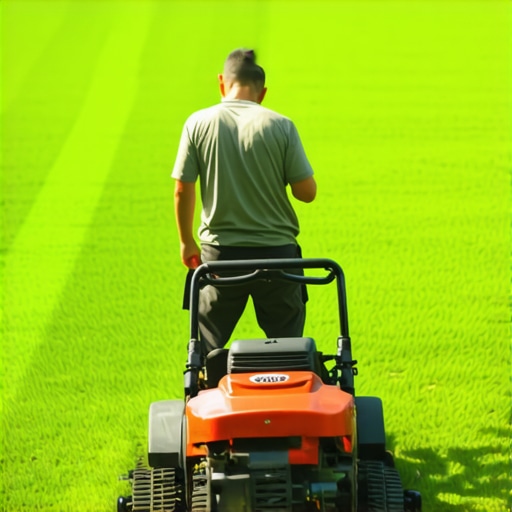
You cannot just go out and scalp a lawn whenever you feel like it. The vertical mower (or power rake) uses fixed or flail blades that spin vertically, slicing into the turf canopy. This is a violent process. If you do this when the grass is dormant or stressed by heat, you will kill it. I tell my crew that we only dethatch when the grass is “screaming to grow.” This means soil temperatures should be consistently between 55 and 65 degrees Fahrenheit for cool-season lawns. If you wait until the ground is frozen or during a 100-degree heatwave, the photosynthetic capacity of the plant is too low to repair the damage to the crowns. We are looking for that sweet spot where the plant has enough stored carbohydrates to push out new tillers immediately after the surgery. Don’t skip the weather report. If a drought is coming, put the mower away. You need moisture to facilitate the recovery period.
How do I know if my lawn needs vertical mowing?
Take a soil probe or a spade and cut a small wedge out of your lawn. Measure the brown, spongy layer between the soil and the green blades. If it is over 0.5 inches, you are in the danger zone. Another sign is “ghost watering,” where you run the sprinklers for an hour, but the soil underneath is bone dry. This indicates the hydrostatic pressure of the thatch is pushing the water away. You might also notice your mower sinking into the grass, causing an uneven cut or scalping. This is because the turf density is supported by a mat of debris rather than firm soil. If the lawn feels like a sponge under your work boots, it is time to act. Don’t wait for the grass to turn yellow. By then, the root girdling is already advanced.
Rule 2: Set the Knife Depth with Engineering Precision
Setting the blade depth on a vertical mower requires precise calibration so the knives just nick the soil surface (approximately 1/8 to 1/4 inch deep). This ensures the lignin mat is severed and lifted without destroying the basal crowns or the primary root architecture of the grass.
This is where the hacks fail. They set the blades too deep, thinking they are doing a better job, and they end up tilling the entire lawn. You aren’t trying to plow a field; you are trying to comb a mat. The blades should reach through the thatch and just barely kiss the dirt. This “nicking” of the soil helps to break up the surface tension and allows for better gas exchange. If you go too deep, you rip the plants out by the roots. If you go too shallow, you just tickle the leaves and leave the thatch layer intact. I always recommend a test pass on a 5-foot strip. Stop the machine, look at the debris, and check the soil. You should see clear vertical lines in the ground, but the majority of the grass plants should still be anchored. In hardscaping, we talk about base-layer compaction; in lawn care, we talk about thatch porosity. Both require a precise touch to avoid structural failure.
“A vertical mower must be adjusted so the blades just nick the soil surface to ensure the removal of the stoloniferous mat without destroying the root architecture.” – ICPI Hardscape and Turf Standards
| Thatch Depth | Severity Level | Recommended Action || :— | :— | :— || 0 to 0.25 inches | Healthy | Core aeration only || 0.25 to 0.75 inches | Moderate | Light vertical mowing || 0.75 to 1.5 inches | Severe | Aggressive vertical mowing + Overseeding || Over 1.5 inches | Critical | Complete renovation/Sod replacement |
Can I dethatch my lawn in the winter?
No, dethatching in the winter is a recipe for crown rot and winterkill because the grass is dormant and cannot repair the tissue damage. The open wounds from the vertical blades will expose the plant’s heart to sub-freezing temperatures and desiccating winds, leading to total stand loss. Winter is for equipment maintenance, not for turf surgery. Wait until the soil microbes wake up and the grass begins its spring tiller production. Attempting this in the off-season is the hallmark of a “mow-and-blow” contractor who doesn’t understand biology.
Rule 3: Execute the Post-Mow Recovery Protocol
The recovery protocol after vertical mowing must include the immediate removal of all surface debris, followed by core aeration, heavy watering, and the application of a slow-release nitrogen fertilizer. This combination jumpstarts microbial activity and encourages new shoots to fill in the thinned areas before weeds can germinate.
Once you finish the mowing, your lawn will look like a bomb went off. There will be piles of brown gunk everywhere. You must rake this up or use a vacuum sweeper. If you leave that debris on the surface, it will just settle back down and create a new thatch layer, or worse, it will rot and cause a fungal outbreak. After the cleanup, I always tell my clients to perform core aeration. This pulls 2-3 inch plugs of soil out, which further relieves compaction and gets oxygen directly to the roots. Then, hit it with a high-quality fertilizer. Look for something with a balanced NPK ratio but leaning toward nitrogen to stimulate top growth. This is the only time I advocate for heavy watering: keep the top inch of soil moist for the next 14 days. You have essentially given the lawn a skin graft; it needs hydration to heal. If you skip this step, you leave the soil ecology vulnerable to opportunistic weeds like crabgrass that love disturbed soil.
Pre-Mowing Checklist for Success
- Verify soil moisture: The ground should be moist but not saturated to prevent soil smearing.
- Mow the grass slightly lower than usual (about 2 inches) to allow the vertical blades easier access to the thatch.
- Mark all irrigation heads and utility lines to avoid catastrophic equipment damage.
- Check the weather forecast for a 3 to 5-day window of mild temperatures and no extreme rain.
- Ensure you have a waste disposal plan for the massive volume of organic debris you will generate.
Vertical mowing is a high-stakes landscaping maneuver. When done correctly, it transforms a stagnant, spongy yard into a high-performance ecosystem. When done poorly, it is just expensive destruction. Stick to the measurements, respect the soil chemistry, and remember that 80 percent of the work happens in the planning and the recovery, not just the mowing itself. If you follow these three rules, you won’t just have a green lawn; you will have a healthy, agronomic masterpiece that can withstand the stressors of the 2026 season and beyond. Stop listening to the big-box store advice and start looking at the science of the soil. Your lawn will thank you with deeper roots and higher drought resistance.