
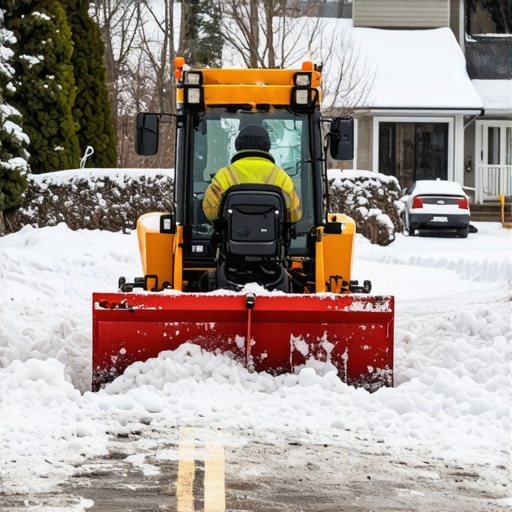
7 Questions to Ask Before Hiring a Snow Removal Company for Your Property
7 Questions to Ask Before Hiring a Snow Removal Company for Your Property
When the first heavy flakes of a Northern Utah winter begin to fall, the difference between a functional property and a liability-filled hazard comes down to one choice: your snow removal company. For residential homeowners and commercial property managers alike, winter maintenance is a high-stakes game. A single slip-and-fall accident or a blocked commercial entrance can lead to significant financial loss, legal headaches, and operational downtime. My name is Johnnie Chandler, and with over 15 years of experience in the building maintenance industry as the owner of Polar Group LLC, I have seen firsthand how unpreparedness can devastate a property’s bottom line.
While many individuals with a truck and a blade offer “plowing services,” not all are equipped to handle the unique, heavy-snow challenges of our region. Hiring the wrong contractor doesn’t just mean a snowy driveway; it means risking your property’s safety and your own peace of mind. To ensure you are partnering with a professional who can deliver under pressure, you must go beyond the price tag. In this guide, we will explore the seven critical questions you need to ask to vet a contractor effectively and ensure your property remains safe, accessible, and professional all winter long.
Why Vetting Your Snow Contractor is Critical in 2026
As we head into the 2026 winter season, the unpredictability of modern weather patterns has made professional vetting more important than ever. We are seeing more frequent “extreme weather events” – heavy, wet snow followed by flash freezes – that require sophisticated equipment and rapid response times. A “guy with a plow” might be able to clear a light dusting, but they often lack the infrastructure to handle a multi-day blizzard or the specialized chemicals needed for sub-zero ice management.
Professional snow management is a proactive discipline, not a reactive one. It involves understanding how “snow events” trigger specific contract clauses and having a logistical plan that accounts for equipment failure and staff exhaustion. Furthermore, winter property care is about more than just moving white stuff; it is about holistic landscape protection. For instance, an amateur operator might pile snow on sensitive vegetation, leading to long-term damage. Proper winter prep involves everything from clearing paths to knowing how to Stop 2026 Tree Bark Splitting in Winter Cold by ensuring snow isn’t piled against trunk bases where it can cause moisture-related freeze-thaw damage.
In 2026, the standard for “reasonable care” in property maintenance has risen. Courts and insurance companies look for documented proof of service and professional-grade execution. By vetting your contractor thoroughly, you are not just buying a service; you are buying a shield against liability and a guarantee of business continuity.
Question 1: What Specific Insurance and Liability Coverage Do You Carry?
This is the single most important question you can ask. Never assume that because a contractor has “business insurance,” it covers snow removal. In the insurance industry, snow and ice management is considered a high-risk category. Many general liability policies specifically exclude snow removal unless a separate, often expensive, rider is added to the policy.
When interviewing snow removal contractors, ask to see their Certificate of Insurance (COI). Look specifically for “Completed Operations” coverage and “Slip and Fall” riders. If a pedestrian slips on a patch of ice that was supposed to be salted, and your contractor isn’t properly insured, the legal and financial burden will likely fall directly on you, the property owner. Professional companies carry high-limit policies because they understand that a single lawsuit can exceed the value of a standard small-business policy. Don’t be afraid to ask for their insurance agent’s contact information to verify that the policy is active and specifically covers the services they are performing on your site.
Question 2: What is Your “Trigger” for Service and Response Time?
In the world of snow management, a “trigger” is the depth of snow accumulation that prompts the contractor to automatically begin service. Common triggers are 1 inch, 2 inches, or even “trace” amounts for high-traffic commercial sites. You need to know exactly what your contract specifies. If your trigger is set at 2 inches, but a 1.5-inch snowfall turns into a sheet of ice, will they still come? Or will your property remain a skating rink until the next major storm?
Equally important is the response time. Ask: “How soon will you be on my property after the trigger is reached?” A professional commercial snow removal near me should have a 24/7 response plan. They should be monitoring weather radar in real-time and have crews staged or ready to deploy before the snow even starts to stick. For commercial properties, this usually means having the lots cleared before the first shift of employees arrives or the doors open for customers. For residential clients, it means being able to get out of the garage in time for the morning commute.
Question 3: What Kind of Equipment and Backup Resources Do You Have?
Snow removal is brutal on machinery. Hydraulics freeze, tires blow, and engines fail under the strain of moving tons of heavy snow. You need to know that your contractor has a fleet that can handle your property size and, more importantly, a backup plan for when things go wrong. A solo operator with one truck is a single mechanical failure away from leaving you stranded.
Ask about the specific equipment they intend to use. For a large commercial lot, a standard pickup truck might not be enough; they may need skid steers or front-end loaders to move large volumes of snow efficiently. For a snow plow residential service, ask if they use poly-blades to protect your driveway surface or if they have snow blowers for tight walkways. Furthermore, consider the aftermath of heavy equipment. While necessary, heavy machinery can stress your land. It’s a good idea to plan ahead to Stop 2026 Lawn Compaction with Core Aerators once the ground thaws, as the weight of plows and piled snow can severely compress the soil, damaging your lawn’s root systems.
Question 4: How Do You Handle Ice Management and Salt Availability?
Snow removal is only half the battle; ice is the real danger. A property can be perfectly plowed but still be incredibly hazardous if a thin layer of “black ice” remains. You must ask about their ice management strategy. Do they use rock salt, liquid de-icers, or calcium chloride? Each has different effective temperature ranges and environmental impacts.
Crucially, ask about their salt supply chain. In severe winters, salt shortages are common, and prices skyrocket. Professional snow and ice removal companies secure their salt contracts in the summer and maintain large on-site stockpiles. If your contractor “buys salt as they go” from a local home improvement store, they will be the first ones to run out when a major storm hits. Additionally, consider the impact of these chemicals on your landscaping. If you have spent money on 5 2026 Best Shrubs for High-End Curb Appeal, you want to ensure the contractor isn’t using harsh salts that will burn the foliage or poison the soil near your high-end plantings.
Question 5: Can You Provide a Detailed, Written Contract with Clear Pricing?
Vague verbal agreements lead to disputes and poor service. A professional snow plowing service will provide a detailed contract outlining exactly what is included. There are generally three pricing models you will encounter:
- Per-Push/Per-Visit: You pay a flat fee every time the contractor services the property. This is great for light winters but can become expensive during active ones.
- Per-Inch/Tiered: Pricing is based on the amount of snow that falls (e.g., $X for 1-3 inches, $Y for 3-6 inches).
- Seasonal (Fixed): You pay a set monthly or seasonal fee regardless of how much it snows. This provides budget certainty for the property owner and guaranteed income for the contractor.
For Ogden facility managers, finding the balance between cost-effectiveness and reliability is key. Your contract should also specify where snow will be “pushed” or “piled.” Improper piling can lead to drainage issues or damage to your structures. For instance, piling snow against a building can lead to moisture infiltration and wood rot, much like how poor pruning can lead to disease. You should always Stop 2026 Tree Cankers with Proper Pruning Hacks and ensure your snow contractor respects the “no-pile” zones around your valuable trees and shrubs.
Question 6: What is Your Communication and Documentation Process?
In the heat of a blizzard, you shouldn’t be wondering if your contractor is on their way. Ask about their communication protocols. Do they send out email or text alerts when they deploy? Do they have a dedicated dispatcher you can call 24/7?
Documentation is equally vital for liability protection. Modern, professional companies use GPS tracking on their vehicles and require crews to take time-stamped photos of the property before and after service. This creates a “digital paper trail” that can be used to defend against fraudulent slip-and-fall claims. These companies operate using documented systems of policies and procedures to ensure quality control across every site they manage. This level of accountability is what separates the professionals from the amateurs. Just as you would carefully select and document the care for 5 2026 Best Perennials for Zone 4 Winter Gardens, you should expect a high level of documented care for your entire property’s winter safety.
Question 7: Do You Have Local References and Experience with Ogden’s Climate?
Snow is not the same everywhere. Local knowledge is an invaluable asset. In the Ogden area, we deal with “lake-effect” snow and unique canyon winds that can create massive drifts in minutes. A contractor who is used to the light, dry snow of other regions might be overwhelmed by the heavy, “heart-attack” snow often found in Northern Utah.
Ask for local references – specifically properties that are similar in size and scope to yours. If you are a commercial manager, you want to talk to other commercial managers, not just residential customers. Ask about their snow removal Ogden experience during the biggest storms of the previous year. Did they show up? Was the communication clear? Did they damage any curbs or landscaping? Local experience also means they understand the seasonal transitions. They know that the same soil that needs clearing now might have suffered from the need to Stop 2026 Soil Cracking in Hot Summer Heat just months prior, and they treat the land with the year-round respect it deserves. Whether you need a full plow team or a dedicated snow shoveling service for intricate walkways, local expertise ensures the job is done right for our specific climate.
Conclusion & Final Checklist
Hiring a snow removal company is one of the most significant maintenance decisions you will make all year. By asking these seven questions, you move from a position of hope to a position of certainty. You ensure that your contractor is properly insured, adequately equipped, and locally experienced. You protect your property from physical damage and yourself from legal liability.
Don’t wait for the first blizzard to start your search. The best contractors often have their schedules full by late autumn. Take the time now to vet your options and secure a contract that provides the protection your property deserves. Whether you are looking for residential snow removal to keep your family safe or a comprehensive commercial contract to keep your business running, the right partner is out there. Stay safe, stay warm, and let the professionals handle the heavy lifting this winter.




![Why Your 2026 Fescue is Still Yellow After Fertilizing [Soil Fix]](https://lawnmajesty.com/wp-content/uploads/2026/05/Why-Your-2026-Fescue-is-Still-Yellow-After-Fertilizing-Soil-Fix.jpeg)