4 2026 Drought-Proof Grass Alternatives for Hot Yards
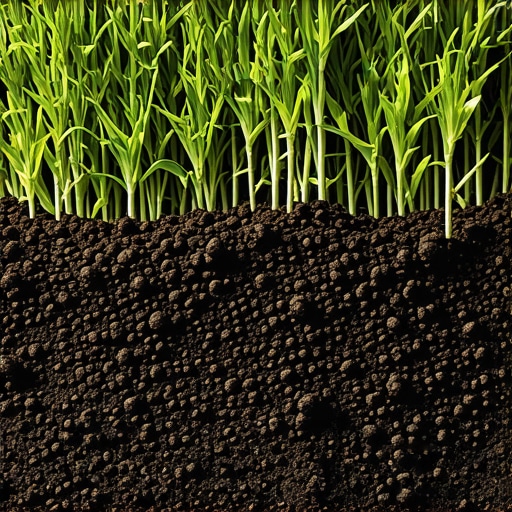
I always drill into my new crew members: if you don’t fix the soil grading first, every plant you put in the ground is just expensive compost. I have watched too many rookies drop high-end plugs into hard-packed, 1.8 g/cm3 density clay and wonder why the yard looks like a graveyard six weeks later. You cannot cheat the biology of the root zone. If the sub-grade is not pitched at a 2 percent grade away from the foundation and the soil is not loosened to allow for gas exchange, your ‘drought-proof’ investment will simply suffocate. Landscaping is not about what looks good on day one; it is about the civil engineering of the soil profile that sustains life on day 1,000. We are moving into an era where the traditional monoculture lawn is a liability. In 2026, the high-heat reality of our summers means that Kentucky Bluegrass is effectively a water-guzzling relic. Professional garden design now requires a pivot toward species that can handle high caloric intake from the sun without collapsing into dormancy.
The Critical Shift to Drought-Resilient Ground Covers
Drought-proof grass alternatives like Microclover, Kurapia, Ruschia Linearis, and Yarrow provide high-durability ground cover while reducing water consumption by 50-80%. These species utilize deep taproots and nitrogen-fixing biology to survive in heat-stressed environments where traditional turfgrass fails due to physiological drought and soil compaction.
“Proper soil preparation is the most important factor in the success of any landscape installation. Without adequate pore space for air and water movement, even the most drought-tolerant species will succumb to root rot or desiccation.” – Penn State Extension, Center for Turfgrass Science
1. Microclover (Trifolium repens ‘Pipolina’)
Microclover is a specialized cultivar of white clover that stays low to the ground and does not develop the clumpiness of common varieties. From a horticultural perspective, its primary advantage is its nitrogen-fixing capability. It forms a symbiotic relationship with Rhizobium bacteria, which take atmospheric nitrogen and convert it into plant-available ammonium. This means you do not need synthetic NPK fertilizers. It stays green even in the peak of July when Fescue is turning brown. It requires one-third of the water of traditional turf. It is aggressive enough to crowd out broadleaf weeds but small enough to maintain a clean appearance. Use a seeding rate of 0.5 pounds per 1,000 square feet for a dense fill.
2. Kurapia (Lippia nodiflora)
Kurapia is a sterile hybrid developed for extreme utility. Because it is sterile, it does not produce seeds that blow into your neighbor’s garden beds, making it a favorite for high-end hardscaping projects. Its root system is its superpower: it can reach depths of 10 feet to pull moisture from the deep subsoil. It grows horizontally via stolons, creating a thick mat that can handle moderate foot traffic. It only needs to be mowed once or twice a year if you want to remove the small white flowers. For those in high-heat zones, it is the gold standard. It is not just a plant; it is a living erosion control blanket.
“Bermuda and St. Augustine grasses often require 1 to 1.5 inches of water per week during peak summer months to maintain dormancy-free growth, whereas alternative legumes and succulents can maintain structural integrity on less than 0.25 inches.” – Texas A&M AgriLife Research
How much does a drought-tolerant lawn cost per square foot?
Typical installation costs for drought-tolerant alternatives range from $1.50 to $4.00 per square foot depending on whether you use seed, plugs, or sod. While the initial material cost of Kurapia plugs is higher than Fescue seed, the long-term savings in water bills and synthetic chemical applications usually result in a break-even point within 18 to 24 months.
3. Ruschia Linearis (Carpet Star)
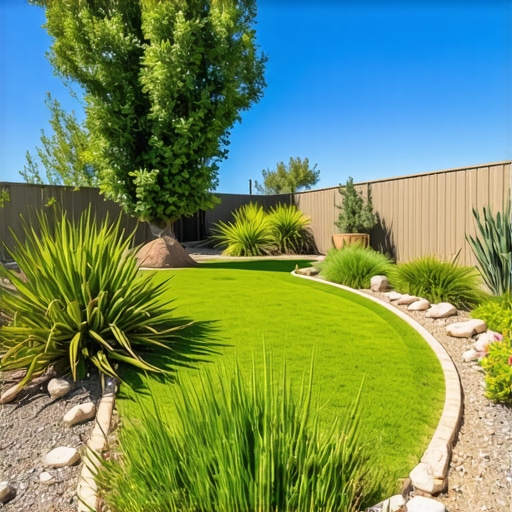
If you are dealing with rocky soil or areas where the sun is relentless, Ruschia Linearis is the solution. It is a succulent-based ground cover that feels surprisingly soft underfoot. It grows in a dense, tight habit that prevents weed germination. It is particularly effective for garden design that incorporates large boulders or hardscape elements because it handles the radiant heat from stones better than any grass species. It is evergreen in USDA zones 8-11. It does not go dormant in the winter like Bermuda. It simply stops growing and waits for the sun. Do not overwater it. It will rot.
4. Achillea Millefolium (Yarrow)
Yarrow is often thought of as a wildflower, but when mowed, it forms a feathery, carpet-like lawn that is virtually indestructible. It is deep-rooted and highly resistant to salt, making it ideal for roadside landscaping or coastal environments. It thrives in poor soil where the pH is off-balance. If you have a yard that has been depleted of nutrients by years of ‘mow-and-blow’ hacks, Yarrow will take hold where grass will not. It is a pioneer species. It fixes the soil as it grows.
Can I plant clover over my existing grass?
Yes, overseeding with Microclover is a common strategy to improve lawn health. You must first scalp the existing grass to 1 inch and core aerate to ensure seed-to-soil contact. The clover will eventually fill the gaps where the grass dies back during heat waves, creating a self-fertilizing polyculture that remains resilient under environmental stress.
| Alternative | Traffic Tolerance | Water Needs | Best Soil Type |
|---|---|---|---|
| Microclover | Moderate | Low | Loam/Clay |
| Kurapia | High | Very Low | Any (well-draining) |
| Ruschia Linearis | High | Minimal | Sandy/Rocky |
| Yarrow | Low/Moderate | Low | Poor/Dry |
The Installation Protocol: Ground-Up Build
You do not just throw seed on the ground and walk away. Follow this checklist if you want the project to succeed. First, kill off the existing vegetation using a non-selective organic herbicide or solarization. Second, perform a soil test to check your pH levels; most of these alternatives prefer a range of 6.0 to 7.0. Third, mechanical aeration is mandatory. You need to pull 3-inch cores to break up the surface tension of the soil. Fourth, top-dress with 1/4 inch of high-quality organic compost. This provides the microbiology needed for the roots to establish. Finally, calibrate your irrigation. Even drought-proof plants need daily water for the first 14 days. Once established, you cut them off. Force the roots to go deep. If you baby them with shallow watering, they will stay shallow and die in the first heat wave. Don’t skip the compaction check. If you can’t push a screwdriver 6 inches into the ground with ease, your soil is too tight. Fix it now or pay for it later.
- Step 1: Scalp and remove old debris.
- Step 2: Core aerate to a depth of at least 3 inches.
- Step 3: Apply organic compost top-dressing.
- Step 4: Seed or plug at the recommended density.
- Step 5: Initial 14-day irrigation cycle (keep moist).
- Step 6: Gradually transition to deep, infrequent watering.
The transition to a drought-proof yard is not about being ‘lazy’ with your lawn care; it is about being smarter. It is about working with the local ecology rather than fighting it with a sprinkler head and a bag of chemicals. Your yard should be an asset, not a drain on your time and resources. Get the soil right, pick the right species for your biome, and stop chasing the 1950s monoculture dream that is killing your soil microbiology.

![3 Fertilizer Rules to Stop 2026 Summer Lawn Burn [Tested]](https://lawnmajesty.com/wp-content/uploads/2026/05/3-Fertilizer-Rules-to-Stop-2026-Summer-Lawn-Burn-Tested.jpeg)