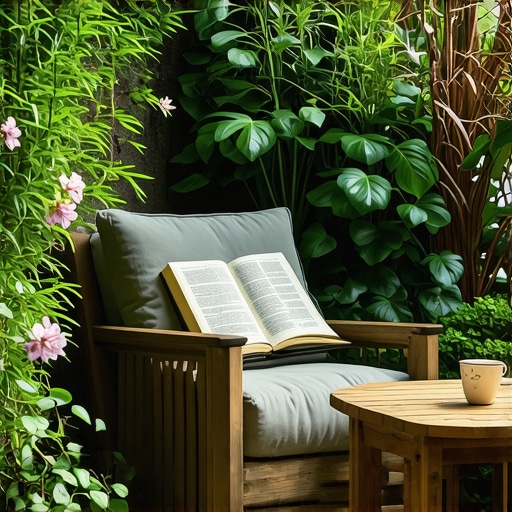
How to Create a Cozy Reading Nook in a Large Garden
Designing an Outdoor Reading Nook: The Engineering of Privacy and Comfort
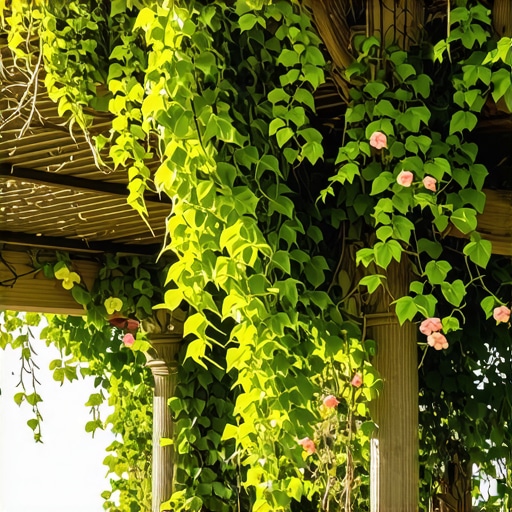
To create a functional reading nook in a large garden, you must engineer a private enclosure using site-specific grading, structural hardscaping, and layered horticultural screening. Most homeowners fail because they place a chair in the middle of a lawn, ignoring wind patterns, sun angles, and the hydrostatic pressure of the surrounding landscape. A true nook requires a defined base and a vertical ‘ceiling’ provided by the canopy of a tree or a structural pergola to create a sense of psychological safety and physical comfort. Don’t just pick a spot; analyze the site’s drainage first.
The Apprentice Lesson: Why Grading Prevents Failed Projects
I always drill into my new crew members: if you don’t fix the soil grading first, every plant you put in the ground is just expensive compost. Last year, I saw a homeowner try to build a secluded reading circle at the bottom of a gentle slope. They spent four thousand dollars on flagstone and specimen Japanese Maples. Three months later, the entire area was a swamp. The water had no exit strategy. We had to rip it all out, install a 4-inch perforated HDPE French drain, and re-grade the entire sub-base to a 2% slope. If the water doesn’t move, your project dies. Use a transit level. Dig deep. Don’t skip the site prep.
The Structural Foundation: Hardscaping Your Retreat
A reading nook is only as good as the ground it sits on. For a large garden, you need a firm, level base that won’t heave during a freeze-thaw cycle. This means excavating 6 to 8 inches of topsoil and replacing it with a compacted modified gravel base (often called 2A modified or CR6). You need at least 4 inches of base material for a simple foot-traffic area. Use a plate compactor until that base is rock hard. If you don’t feel the machine bounce, it’s not ready.
“A retaining wall doesn’t fail because of the stone; it fails because of the water trapped behind it.” – Hardscape Engineering Axiom
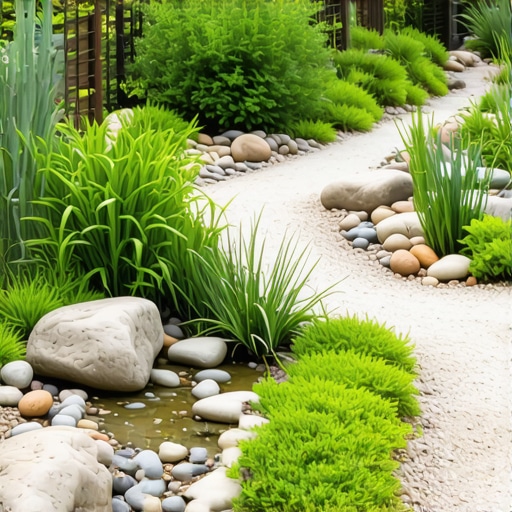
When selecting your surfacing material, consider the acoustics. Pea gravel provides a satisfying crunch that alerts you to movement, but it can be unstable for furniture. Large-format natural flagstone or thermal-finish bluestone offers a flat, stable surface that won’t wobble when you’re turning pages. If you use pavers, ensure you utilize polymeric sand in the joints to prevent weed seeds from germinating in the gaps. Weeds are a sign of lazy installation.
How do I create a private area in a large garden?
To create privacy in a large garden, utilize vertical layering by planting a mix of evergreen shrubs, deciduous understory trees, and perennial groundcovers to break lines of sight. You aren’t just building a wall; you are creating a biological screen. Use the ‘Rule of Three’ for heights: a 10-foot screen, a 5-foot mid-story, and a 2-foot border. This creates depth and prevents the ‘prison wall’ look that many DIYers accidentally create with a single row of Arborvitae.
The Horticultural Layer: Planting for Seclusion
Plants in a reading nook serve two purposes: sound dampening and visual privacy. You need to select species based on your USDA Hardiness Zone and the specific pH level of your soil. Don’t guess; get a soil test from your local extension office. If you have alkaline soil (pH above 7.0), don’t bother with acid-loving plants like Azaleas unless you want to fight a losing battle with chlorosis. Choose native species that can handle the local wind loads of a large, open yard.
“Site-specific plant selection is the only way to ensure long-term survivability in high-stress landscape environments.” – Penn State Agricultural Extension
When planting, watch your root flares. Most hacks bury trees too deep, leading to girdling roots and early death. The flare—where the trunk expands at the base—must be visible above the soil line. Mulch should be kept 3 inches away from the trunk. No mulch volcanoes. They rot the bark and invite pests. Use a slow-release nitrogen-heavy fertilizer in the spring to encourage the dense foliage needed for a private screen.
Comparison of Nook Surfacing Materials
| Material | Installation Depth | Pros | Cons |
|---|---|---|---|
| Pea Gravel | 3-4 Inches | Excellent drainage, low cost | Furniture instability, migrates |
| Thermal Bluestone | 6-8 Inches | Dead level, high durability | High material cost, heavy labor |
| Decomposed Granite | 2-4 Inches | Natural look, firm surface | Can be tracked into the house |
| Wood Mulch | 3 Inches | Cheap, organic feel | Decays, needs annual topping |
Site Assessment Checklist for Nooks
- Measure the sun arc: Ensure the spot has shade during your preferred reading hours.
- Check soil percolation: Dig a 12-inch hole, fill with water; it should drain in 24 hours.
- Identify wind corridors: Large gardens often have wind tunnels that require a windbreak.
- Utility check: Call 811 before you drive a single stake into the ground.
- Elevation check: Ensure the nook is 2-3 inches higher than the surrounding turf to prevent pooling.
What plants provide the best year-round privacy?
The best year-round privacy comes from broadleaf evergreens like Ilex opaca (American Holly) or dense conifers such as Juniperus virginiana (Eastern Red Cedar), which maintain foliage density even in sub-zero temperatures. Avoid ‘Green Giant’ Arborvitae if you have high deer pressure, as they will prune the bottom four feet of your screen into a skeleton by mid-winter. Instead, look for deer-resistant cultivars or use physical barriers during the first three years of establishment.
Long-Term Management
Your nook will settle. In the first year, expect the base to move slightly. If you used pavers, you may need to sweep in more polymeric sand. If you used plants for screening, prioritize deep, infrequent watering. You want to force the roots down to find the water table, not keep them at the surface where they will fry in a July heatwave. One inch of water per week, delivered via drip irrigation at the root zone, is the gold standard. Stay on top of it. A dead screen is no screen at all.