How to Save a Dying Boxwood Shrub
The Forensic Autopsy: Identifying Why Your Boxwoods Are Failing
To save a dying boxwood, you must diagnose the specific pathogen, correct soil drainage issues, and expose the root flare. Most boxwoods decline due to Phytophthora root rot, Boxwood Blight, or improper planting depth that causes oxygen deprivation in the root zone. Success requires immediate intervention and a rigid maintenance protocol. It will rot if you wait. Don’t skip this.
The Apprentice Lesson: Soil Grading and the Death of Root Systems
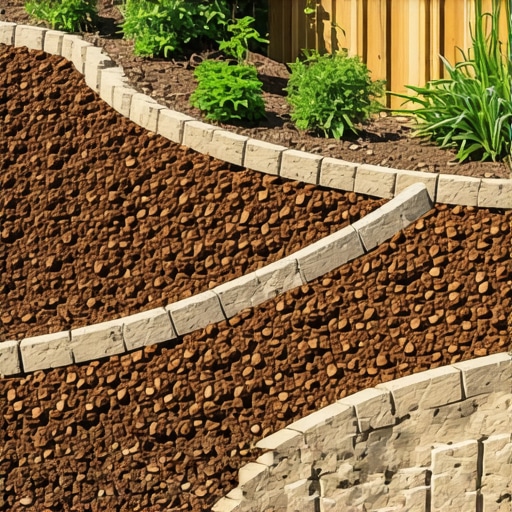
I always drill into my new crew members: if you don’t fix the soil grading first, every plant you put in the ground is just expensive compost. Last season, I walked onto a job site where a homeowner had spent four thousand dollars on mature Buxus sempervirens. Within six months, they were bronzing and dropping leaves like a deciduous tree in October. The ‘landscaper’ before me had buried them four inches too deep and surrounded them with heavy red clay. We had to excavate the root flares with a hand trowel just to let the bark breathe. If the root flare is buried, the plant is suffocating. There is no middle ground here. You either plant at the correct grade or you watch the specimen die. Most DIYers and low-bid contractors create what I call ‘mulch volcanoes,’ piling wood chips against the trunk. This holds moisture against the bark, inviting Volutella stem canker and secondary fungal infections. We dug those plants up, remediated the soil with expanded shale for better aeration, and replanted them high. They survived. Most don’t.
“Boxwoods are particularly sensitive to poor drainage and heavy clay soils, which facilitate the spread of Phytophthora cinnamomi.” – Virginia Cooperative Extension
[IMAGE_PLACEHOLDER]
Diagnosing the Primary Culprits: Blight vs. Root Rot
Determining the cause of decline requires a scientific approach. If you see black streaks on the green stems and rapid leaf drop starting from the bottom up, you are likely dealing with Cylindrocladium buxicola (Boxwood Blight). This is the nightmare scenario. If the leaves stay attached but turn a sickly straw color or bronze, it is more likely Phytophthora root rot or winter desiccation. Boxwood Leafminers (Monarthropalpus flavus) also cause significant stress; look for tiny blisters on the underside of the leaves. If you find orange larvae inside the leaf tissue, your shrub is being eaten from the inside out. Use a 10x jeweler’s loupe. Guessing is for amateurs. Knowledge is for professionals.
How do I know if my boxwood has blight?
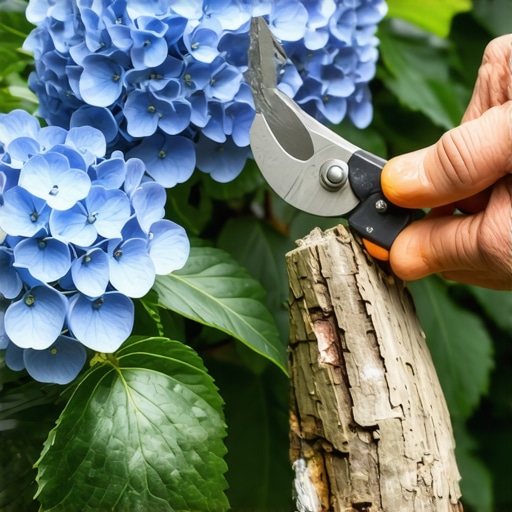
Check for circular dark brown leaf spots and distinct black longitudinal streaks on the stems. Unlike many other diseases, boxwood blight causes extremely rapid defoliation. If your shrub loses 50% of its leaves in two weeks, treat it as a biohazard. Sanitization is mandatory. Clean your shears with 70% isopropyl alcohol between every single cut. No exceptions.
Should I prune a dying boxwood in the summer?
Avoid heavy structural pruning in the heat of summer or the dead of winter. Instead, use thinning cuts to improve interior airflow. Remove 10% of the outer canopy to allow sunlight to reach the inner branches. This reduces the humidity that fungal spores need to germinate. High humidity is the enemy. Airflow is the cure.
The Hardscape and Engineering Connection
Many boxwoods die because they are planted next to concrete foundations or stone walkways. Concrete leaches lime, which spikes the soil pH levels above 7.5. Boxwoods prefer a slightly acidic to neutral range (6.5 to 7.2). When the pH is off, the plant cannot uptake essential micronutrients like iron or manganese, regardless of how much fertilizer you throw at it. Furthermore, hydrostatic pressure from poor foundation drainage often pools water exactly where boxwoods are used as foundation plantings. If the soil stays saturated for more than 24 hours, the roots will drown. Anaerobic conditions lead to root necrosis. You must install French drains or modify the grade to move water away from the root zone.
| Symptom | Probable Cause | Professional Remediation |
|---|---|---|
| Black stem streaks | Boxwood Blight | Apply copper fungicide; remove fallen debris. |
| Yellow/Bronze leaves | Root Rot / Poor Drainage | Improve soil aeration; apply Phosphite-based fungicide. |
| Leaf blisters | Leafminer infestation | Apply systemic imidacloprid in early spring. |
| Outer leaf browning | Winter Burn | Apply anti-desiccant spray in late fall. |
“A retaining wall doesn’t fail because of the stone; it fails because of the water trapped behind it. The same logic applies to the root ball of a Buxus shrub.” – Hardscape Engineering Axiom
The 12-Month Recovery Protocol
Saving a shrub isn’t a weekend project; it is a year-long commitment to biology. Follow this checklist to ensure survival:
- Month 1: Perform a soil test. Adjust pH with elemental sulfur if it’s too alkaline.
- Month 1: Hand-pull mulch away from the trunk. Expose the root flare.
- Month 2: Apply a professional-grade Phosphite fungicide (like Agri-Fos) to combat root rot.
- Month 3-5: Implement deep, infrequent watering. Aim for 1 inch of water per week, delivered at the soil level. No overhead irrigation.
- Month 6: Thin the canopy by 10% to facilitate interior gas exchange.
- Month 12: Top-dress with 1/4 inch of high-quality compost to reintroduce beneficial microbes.
Chemical Warfare: Using Fungicides Correctly
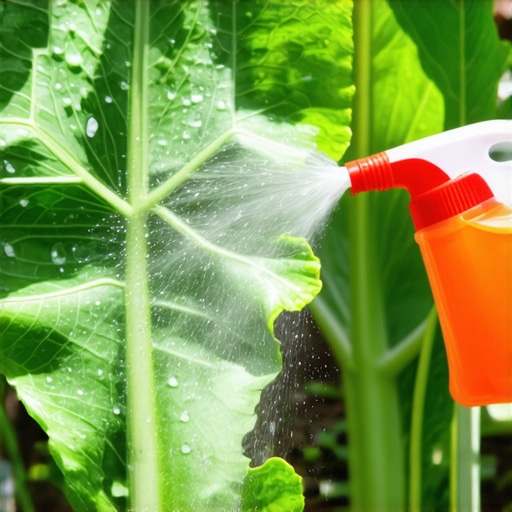
Don’t use big-box store ‘all-purpose’ sprays. They are often too weak or contain the wrong active ingredients. For fungal issues, rotate between Chlorothalonil and Propiconazole. This prevents the fungi from developing resistance. If you are dealing with Phytophthora, you need a systemic fungicide that moves through the plant’s vascular system. Mefenoxam is the gold standard, but it’s expensive. It’s cheaper than replacing a 10-year-old shrub. Do the math. Stop buying cheap chemicals. They don’t work. Hard work works.