How to Get Deep Green Grass Without Heavy Synthetic Fertilizer
The Chemical Nightmare: A Lesson in Soil Burn
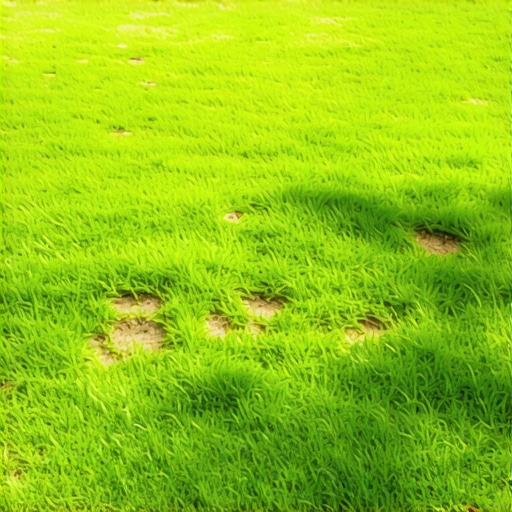
A homeowner called me in a panic last August after they completely torched their front lawn by applying three times the recommended rate of high-nitrogen quick-release fertilizer during a heatwave. When I arrived, the turf didn’t just look dead; it looked cauterized. The soil was bone-dry and crusty, the grass blades were a brittle, translucent straw color, and the smell of ammonia was still hanging in the humid air. They wanted a ‘quick fix’ to get that deep green back, but you can’t fix a chemical burn with more chemicals. This is the reality of the ‘mow-and-blow’ culture: we treat lawns like they are on life support, pumping them full of synthetic salts until the soil’s natural biology is effectively sterilized. To get a deep, dark green that lasts, you have to stop thinking like a consumer and start thinking like a soil scientist.
Why Your Grass Isn’t Green Without Synthetic Inputs
To achieve dark green grass without synthetic salts, you must optimize the soil’s cation exchange capacity (CEC) and fungal-to-bacterial ratio. This allows the plant to access organic nitrogen and micronutrients like iron and magnesium, which are the true drivers of chlorophyll production. Most lawns fail to stay green because the soil is compacted, anaerobic, and devoid of the mycorrhizal fungi necessary for nutrient uptake. When you use synthetic fertilizers, you are bypassing the soil and feeding the plant directly with salts. This forces rapid, weak top growth at the expense of root depth. The moment you stop the ‘drip feed,’ the plant crashes. Real green comes from the inside out, driven by cellular health, not a chemical high.
“The primary goal of organic lawn care is to foster a soil environment where nutrients are cycled naturally by microorganisms, reducing dependency on external inputs.” – University of Minnesota Extension
The Forensic Autopsy of a Failing Lawn
When I look at a pale, yellowish lawn, I don’t see a ‘need for fertilizer.’ I see a structural failure. Usually, it’s a combination of high pH making iron unavailable, or a thatch layer so thick that oxygen can’t reach the root zone. If your soil is compacted, your roots are gasping for air. No amount of nitrogen will fix a 150 PSI soil compaction issue. You have to break the surface. You have to look at the microbiology. In a healthy gram of soil, there should be billions of microbes. In a chemically-dependent lawn, that number is often cut by 90 percent. We have to rebuild the colony. This starts with testing, not guessing. If you haven’t pulled a soil core this year, you’re just throwing money at the wind. I look for the Cation Exchange Capacity on the lab report first. If that number is below 10, your soil can’t hold onto nutrients anyway. It’s like trying to fill a sieve with water.
How can I make my grass darker green naturally?
The most effective way to darken turf naturally is to increase available iron and magnesium while maintaining a slightly acidic pH (6.5 to 6.8). High alkalinity locks up micronutrients, making even the best soil look pale. Applying chelated iron or milorganite provides a slow-release, non-burning color boost that mimics the effects of high-nitrogen synthetics without the explosive, weak growth. You also need to focus on humic acid. Humic substances act as a bridge, helping the plant’s roots absorb minerals that are otherwise bound to soil particles. It’s about efficiency, not volume. Most homeowners over-apply nitrogen when what the plant actually needs is better access to the minerals already sitting in the dirt.
What is the best organic source of iron for lawns?
The best organic source of iron is iron sucrate or chelated iron combined with liquid seaweed extracts. Unlike iron sulfate, which can be harsh on soil microbes, iron sucrate is a pelletized form that breaks down slowly, providing a sustained color response without the risk of staining your hardscaping or burning the leaf blade. Combining this with fulvic acid increases the permeability of the plant cell membranes, allowing the iron to enter the plant more effectively. This is the professional secret for getting that ‘midnight green’ look on golf courses without causing a massive growth surge that requires mowing three times a week.
The Engineering of Soil Structure: Aeration and Thatch
Oxygen is the most underrated fertilizer in the world. If your soil is a solid brick of clay, your grass will never be dark green. Core aeration is a non-negotiable part of the engineering process. I’m not talking about those spike aerators that just push the soil aside and actually increase compaction. I’m talking about hollow-tine aeration that pulls a 3-inch to 4-inch plug out of the ground. This creates a void that allows water, oxygen, and organic matter to penetrate the root zone. It breaks the surface tension and allows the soil to breathe. After aeration, you should always top-dress with screened compost or biochar. This isn’t ‘gardening’; it’s civil engineering for your backyard. You are physically altering the soil profile to create a better drainage matrix.
| Nitrogen Source | Release Rate | Microbial Impact | Salt Index |
|---|---|---|---|
| Urea (Synthetic) | Immediate | Negative (Sterilizes) | High |
| Compost | Very Slow | Highly Positive | Low |
| Feather Meal | Slow | Positive | Very Low |
| Corn Gluten | Medium-Slow | Neutral/Positive | Low |
As the table shows, the trade-off is clear. Synthetics give you speed but destroy the engine. Organics build the engine but require patience. If you want a lawn that stays green during a two-week drought, you need the organic approach. The salt index is the killer. High salt index fertilizers literally suck the moisture out of the plant cells and the surrounding microbes. It’s a scorched-earth policy.
“Excessive nitrogen application can lead to thatch accumulation and increased susceptibility to disease by forcing rapid, weak cellular growth.” – Compendium of Turfgrass Diseases
The Checklist for a High-Performance Organic Lawn
- Soil Test: Conduct a professional lab analysis to determine pH, CEC, and micronutrient levels.
- pH Adjustment: Apply elemental sulfur to lower pH or calcitic lime to raise it, aiming for 6.7.
- Core Aeration: Remove 3-inch plugs to alleviate compaction and introduce oxygen.
- Top-Dressing: Apply 1/4 inch of high-quality leaf mold compost across the entire surface.
- Mowing Height: Set the deck to 3.5 or 4 inches. Tall grass has deeper roots and more surface area for photosynthesis.
- Irrigation: One inch of water per week, delivered in one or two deep soakings. Never daily light mists.
The Enemy of Green: Scalping and Shallow Roots
One of the biggest mistakes I see is the ‘flat top’ haircut. People want their lawn to look like a putting green, but they don’t have the specialized reel mowers or the daily maintenance schedule to support it. When you scalp a lawn, you are removing the plant’s solar panels. The grass has to dump all its energy reserves into growing new blades just to survive, which leaves the roots stunted. A 4-inch blade of grass can support a 4-inch deep root system. A 1-inch blade of grass will have 1-inch roots. Which one do you think will stay green when the sun starts beating down in July? It’s simple biology. Don’t be the person who mows their lawn once every two weeks and cuts off 70 percent of the height. That’s a death sentence. Follow the one-third rule: never remove more than one-third of the grass blade in a single cutting. It’s a measurement, not a suggestion.
![Why Your 2026 Fescue Overseeding Failed [3 Clay Soil Fixes]](https://lawnmajesty.com/wp-content/uploads/2026/06/Why-Your-2026-Fescue-Overseeding-Failed-3-Clay-Soil-Fixes.jpeg)