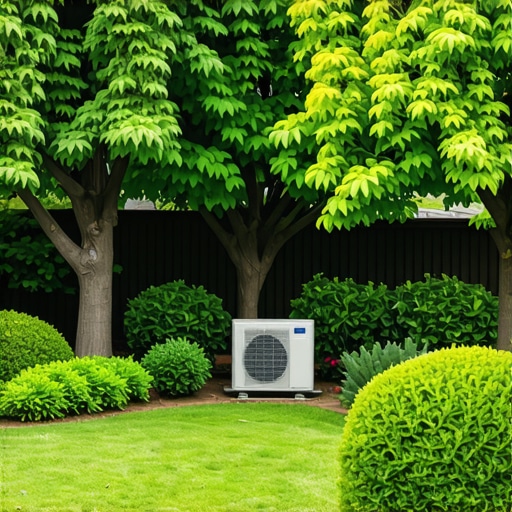
How to Hide Ugly HVAC Units with Landscaping
The Engineering Reality of Hiding Your HVAC System
To hide an ugly HVAC unit with landscaping, you must maintain a 3-foot clearance zone for airflow and use breathable materials like lattice, slatted fencing, or salt-tolerant shrubs to prevent mechanical failure. Proper screening requires balancing visual concealment with the thermal dynamics of the condenser, ensuring the unit can exhaust heat without recirculating hot air back into its own intake coils.
I always drill into my new crew members: if you don’t fix the soil grading first, every plant you put in the ground is just expensive compost. I’ve seen homeowners spend thousands on fancy screens only to have their AC unit burn out in three years because they choked off the intake. You aren’t just hiding a box; you are managing a heat-exchange environment. If you pack plants too tight against that condenser, the static pressure rises, the compressor works double-time, and your electric bill screams. We do it right by focusing on the physics of the yard before we ever pick up a shovel. It starts with the base. If the ground around that pad is settling, your screen will lean within two seasons. Stop thinking about ‘pretty’ and start thinking about ‘ventilation.’
How much clearance does an AC unit need for landscaping?
An outdoor HVAC condenser requires a minimum of 24 to 36 inches of open space on all sides to allow for proper heat dissipation and technician access. Without this gap, the system’s efficiency drops by up to 15% due to restricted airflow, leading to premature motor failure and increased energy consumption in high-temperature environments.
“Airflow is the lifeblood of any mechanical cooling system; restricting the condenser’s intake or exhaust by more than 10% can lead to catastrophic compressor failure.” – Agricultural Extension Engineering Manual
[image_placeholder]
Hardscape Solutions: Building Permanent Screens
Hardscaping offers the most durable way to mask a unit without the maintenance of living plants. When we install a screen, we don’t just post-hole it and call it a day. We look at the hydrostatic pressure of the area. If you’re building a small stone wall to hide the unit, you need a 6-inch base of compacted 3/4-inch modified gravel. Anything less and the frost-heave cycle will turn your straight wall into a crooked mess. Use materials that allow air to pass through. Solid walls are a death sentence for HVAC units. Choose horizontal slatted cedar or vinyl lattice. Cedar is naturally rot-resistant, but it needs to be stained to prevent greying. Vinyl is low maintenance but can become brittle in extreme UV exposure.
| Material Type | Airflow Rating | Durability | Maintenance Level |
|---|---|---|---|
| Pressure Treated Wood | High (if slatted) | 10-15 Years | Medium (Stain/Seal) |
| Vinyl Lattice | Moderate | 20+ Years | Low (Wash only) |
| Natural Stone Wall | Zero | 50+ Years | High (Needs drainage) |
| Evergreen Shrubbery | Variable | Lifetime | High (Pruning) |
What is the best material for an HVAC screen?
The best material for an HVAC screen is Western Red Cedar or composite decking boards arranged in a horizontal louvered pattern. These materials provide high aesthetic value while the gaps between slats ensure that the Cubic Feet per Minute (CFM) of the fan’s exhaust is not impeded by backpressure.
The Softscape Strategy: Living Screens and Plant Selection
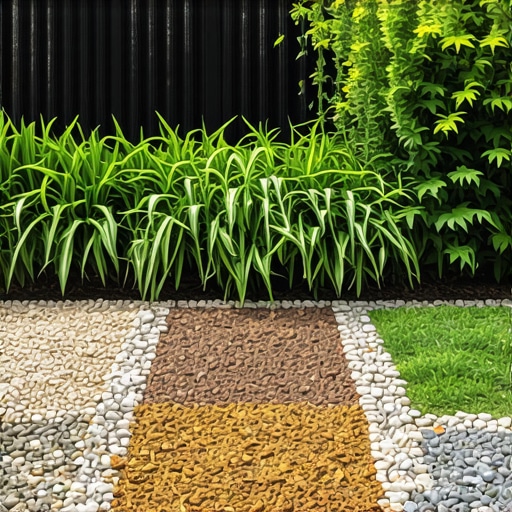
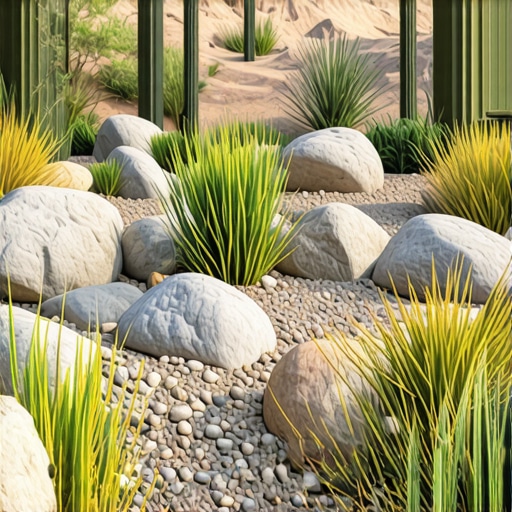
If you prefer a green screen, you have to choose plants that can handle the micro-climate created by the AC unit. The air coming off that fan is hot and dry. It will desiccate most delicate perennials in a week. You need tough-as-nails species with deep root systems. Think Boxwoods (Buxus), Privet (Ligustrum), or ornamental grasses like Karl Foerster. When planting, pay attention to the root flare. Don’t bury the trunk too deep or you’ll cause rot. Also, avoid ‘mulch volcanoes.’ Keep mulch 3 inches away from the base of the plant. For the floor around the unit, avoid grass. It’s a pain to mow next to the unit, and flying clippings clog the condenser fins. Use a geotextile fabric topped with 2 inches of river jack or pea gravel to keep the area clean and well-drained.
“When selecting plants for utility screening, prioritize species with a high tolerance for salt spray and mechanical wind stress to withstand the constant exhaust from cooling fans.” – Horticultural Science Institute
- Step 1: Measure a 36-inch perimeter around the unit pad.
- Step 2: Excavate 4 inches of soil and install a heavy-duty weed barrier.
- Step 3: Backfill with 3/4-inch clean stone for drainage.
- Step 4: Install your screen posts at least 18 inches deep.
- Step 5: Choose plants from USDA Zone-appropriate lists that reach a max height of 5 feet.
Avoiding Common Contractor Failures
The biggest mistake I see is the ‘mow-and-blow’ special where they plant Leyland Cypresses two feet from the unit. Those things grow three feet a year. Within two seasons, the unit is swallowed, the needles are stuck in the coils, and the homeowner is paying $500 for a professional cleaning. Use slow-growing cultivars. If you use a fence, make sure one side is removable or gated. An HVAC tech isn’t going to climb over a 4-foot fence to swap a capacitor; they’ll charge you for the extra labor or refuse the job. Every design must include a clear path for a person carrying a heavy tool bag. Don’t skip the 811 call either. There are high-voltage lines and refrigerant pipes running from that unit to your house. Hit one with a shovel and you’re in for a very bad, very expensive day. Stick to the plan. Build for the machine first and the eyes second.