Why Your Compost Pile Isn’t Breaking Down
The Dead Heap: Why Your Organic Waste is Just Sitting There
I always drill into my new crew members: if you don’t fix the soil grading first, every plant you put in the ground is just expensive compost. But what happens when that compost refuses to actually become compost? Most homeowners treat a compost pile like a trash can that magically turns into black gold. It doesn’t work that way. I have walked onto multi-million dollar garden design projects where the ‘custom’ composting station was nothing more than a localized landfill of matted grass clippings and dry oak leaves. It was anaerobic, cold, and biologically dead. To fix it, you have to understand that you aren’t just piling up waste; you are managing a livestock of billions of microscopic organisms that require specific atmospheric and chemical conditions to perform cellular respiration. If you starve them of oxygen, water, or the right nitrogen-to-carbon ratio, the process stops. Period.
The Stagnant Heap: Identifying Microbial Dormancy
A stagnant compost pile fails to break down because the microbial population has entered a state of dormancy or death due to imbalanced C:N ratios, lack of oxygen, or insufficient moisture. To restart the decomposition process, you must achieve a thermophilic temperature range of 130 to 160 degrees Fahrenheit. Without heat, the pile is merely a slow-rotting mass susceptible to pathogens and weed seed survival. This is not gardening; it is biology. You are the manager of a chemical reactor. If the temperature doesn’t spike within forty-eight hours of a turn, your recipe is flawed. Don’t guess. Use a long-stemmed compost thermometer. It will tell you the truth your eyes cannot see.
“Compost quality is determined by the management of the thermophilic phase, where temperatures must reach 55 degrees Celsius for at least three days to ensure pathogen reduction.” – USDA National Organic Program Standards
The Carbon-to-Nitrogen Ratio: Chemical Math
The most common failure I see in lawn care and garden maintenance is a massive imbalance in the C:N ratio. Think of carbon (browns) as the fuel and nitrogen (greens) as the fire starter. If you have too much carbon, the fire won’t start. If you have too much nitrogen, it burns dirty and smells like ammonia. The ideal ratio is 30:1. Most people dump a bag of grass clippings (which is roughly 15:1 or 20:1) and wonder why it turns into a slimy, stinking mat. It is because the nitrogen is off-gassing as ammonia because there isn’t enough carbon to build microbial protein. Conversely, a pile of wood chips or straw (500:1) will sit there for a decade. You need to balance the scales. Add blood meal or fresh manure to high-carbon piles. Add shredded cardboard or dried leaves to high-nitrogen piles. It is basic math. Calculate your inputs or prepare for failure.
How much water should I add to my compost pile?
Your compost pile moisture level should stay between 40 percent and 60 percent, which feels like a wrung-out sponge when squeezed firmly in your hand. If water drips out when you squeeze a handful of material, it is too wet and will go anaerobic; if the material crumbles, it is too dry for microbial activity. Microbes live in the thin film of water surrounding the organic particles. No water, no life. Too much water, no air. Both scenarios lead to a cold pile.
| Material Category | C:N Ratio (Approximate) | Role in the Pile | Degradation Speed |
|---|---|---|---|
| Fresh Grass Clippings | 20:1 | Nitrogen Source | Fast (if not matted) |
| Dry Autumn Leaves | 60:1 | Carbon Source | Moderate |
| Cardboard/Paper | 550:1 | Bulk Carbon | Slow |
| Fruit & Veggie Scraps | 15:1 | High Nitrogen | Very Fast |
| Wood Chips/Sawdust | 400:1 | Structural Carbon | Very Slow |
Oxygenation and the Interstitial Air Space
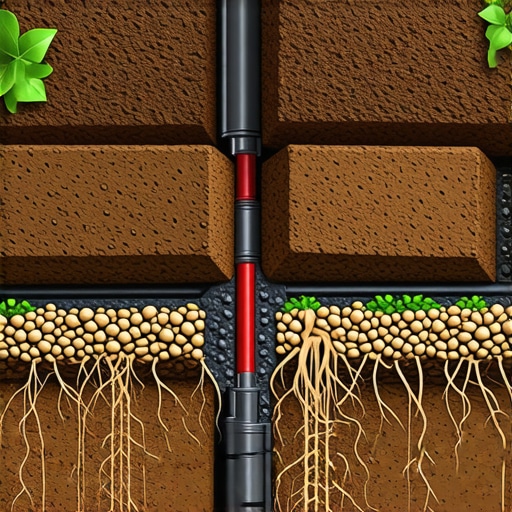
Composting is an aerobic process. This means the bacteria need to breathe. When you build a pile and never turn it, the weight of the material compresses the air pockets. This is called loss of interstitial air space. Without air, the aerobic bacteria die off, and anaerobic bacteria take over. These are the guys that produce methane and hydrogen sulfide. It smells like a swamp. If your pile smells, you’ve failed the oxygen test. Use a pitchfork. Turn the outside of the pile into the middle. Do it every three days during the active phase. This isn’t just exercise; it’s mechanical aeration. For high-end hardscaping projects where we install permanent bins, I always insist on perforated PVC pipes at the base to allow passive airflow. It is a simple engineering fix for a biological problem.
“Effective composting requires a minimum oxygen concentration of 5% within the pore spaces of the pile to maintain aerobic respiration and prevent fermentation.” – Cornell Waste Management Institute
The Physics of Pile Size
Size matters in thermodynamics. A pile that is too small cannot insulate itself. The heat generated by the microbes dissipates into the atmosphere before it can build up. Conversely, a pile that is too large can become so heavy it crushes its own air supply. The ‘Goldilocks’ zone is one cubic yard. That is three feet wide, three feet deep, and three feet tall. Anything smaller than this will struggle to hit thermophilic temperatures, especially in colder climates. If you are in a northern zone during winter, you need even more mass or heavy insulation to keep the core from freezing. I have seen guys try to compost in a five-gallon bucket. That isn’t composting; that’s just keeping a small jar of rot. Build it big or don’t build it at all.
Why does my compost pile smell like rotten eggs?
A rotten egg smell in a compost bin indicates anaerobic conditions where excessive moisture and lack of oxygen have caused sulfur-reducing bacteria to dominate the pile. To fix this, you must immediately turn the pile to introduce oxygen and mix in dry carbon materials like straw or shredded wood to absorb the excess liquid. The smell is a warning sign that your pile is acidifying and losing nitrogen. Fix the drainage or lose the nutrients.
The Critical Checklist for Pile Remediation
- Check the core temperature with a 24-inch probe thermometer.
- Perform the squeeze test to verify moisture at the 50 percent threshold.
- Identify the dominant material; add nitrogen or carbon to reach the 30:1 balance.
- Aerate the pile by turning the outer layers into the center.
- Ensure the total volume is at least 27 cubic feet (1 cubic yard).
- Shred large materials (twigs, stalks) to increase surface area for enzyme action.
The Finishing Phase: Don’t Rush the Cure
Once the heat dies down, people think the job is done. It isn’t. This is the curing phase. Fungi and actinomycetes take over to break down the complex polymers like lignin and cellulose. This takes time. If you put ‘raw’ compost on your garden design, the microbes will actually rob nitrogen from your plants to finish breaking down the carbon in the soil. It is called nitrogen lockout. Let the pile sit for at least four weeks after the final heat spike. It should look like dark chocolate and smell like a forest floor. If you can still identify what the original materials were, it isn’t finished. Patience is a technical requirement. Don’t skip it. Your lawn care and plant health depend on the stability of the organic matter you introduce.
![Why Your 2026 Boxwoods are Turning Yellow [3 Soil Rules]](https://lawnmajesty.com/wp-content/uploads/2026/05/Why-Your-2026-Boxwoods-are-Turning-Yellow-3-Soil-Rules.jpeg)