Build a $100 Rain Garden to Manage Runoff
Why Most DIY Rain Gardens Fail: A Lesson in Soil Grading
I always drill into my new crew members: if you don’t fix the soil grading first, every plant you put in the ground is just expensive compost. I have seen too many homeowners spend thousands on perennials only to watch them drown because they built a basin that doesn’t actually drain. A rain garden is not a pond; it is a bio-retention cell designed to move water vertically through the soil profile within 24 to 48 hours. If that water sits for three days, you haven’t built a garden; you’ve built a mosquito nursery. To manage runoff effectively for under $100, you have to stop thinking like a gardener and start thinking like a civil engineer with a shovel. You need to understand the porosity of your substrate and the hydrostatic pressure exerted by your local topography.
“A rain garden’s primary function is to intercept, infiltrate, and evaporate on-site stormwater runoff, reducing the volume of water entering the municipal sewer system.” – Penn State Extension
What is a rain garden and how does it manage runoff?
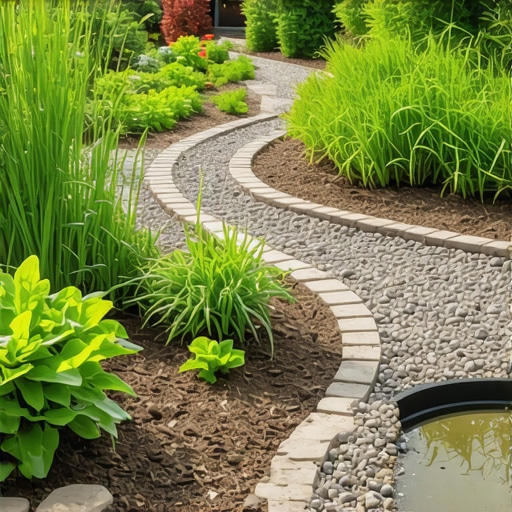
A rain garden is a shallow, engineered depression planted with deep-rooted native vegetation that captures stormwater runoff from impervious surfaces like roofs and driveways. By utilizing bio-retention, these systems filter pollutants such as nitrogen and phosphorus while recharging groundwater levels through natural infiltration processes.
The Science of Siting: 10 Feet is the Law
The first mistake is placing the garden too close to the house. You must maintain a minimum distance of 10 feet from any foundation. Why? Because you are intentionally saturating the ground. If that saturation zone reaches your basement wall, the hydrostatic pressure will find every micro-crack in your parge coat. Use a line level and a string to calculate the slope of your yard. You want a natural depression, but if your yard is flatter than a pancake, you’ll be doing more digging. Avoid areas over septic lines or under the dripline of massive trees where you will hit critical root zones. [image_placeholder]
How deep should a rain garden be?
The optimal depth for a rain garden basin is typically between 4 to 8 inches, depending on the soil percolation rate and the slope of the surrounding terrain. A garden that is too deep becomes a safety hazard and may develop anaerobic soil conditions, while a shallow garden will overflow during heavy rain events.
The Percolation Test: Don’t Guess, Measure
Before you touch a shovel, you need a perc test. Dig a hole 12 inches deep and 6 inches wide. Fill it with water and let it saturate overnight. The next day, fill it again and measure how fast it drops. If it doesn’t drain at least an inch per hour, you have heavy clay. You’ll need to amend the soil or dig deeper. If it drains in an hour? You have sandy soil and you’re golden. Most people skip this. Don’t be most people. It will rot your plants if you get this wrong.
The $100 Budget Breakdown
| Material Item | Estimated Cost | Professional Source |
|---|---|---|
| Native Plugs (15-20) | $60.00 | Local Conservation District |
| Hardwood Mulch (3 Bags) | $15.00 | Bulk Landscape Supply |
| Shredded Topsoil/Compost | $15.00 | Municipal Recycling Center |
| River Rock (Inlet) | $10.00 | Local Quarry Remnants |
| Total | $100.00 | DIY Labor |
How to Choose the Best Plants for a Rain Garden
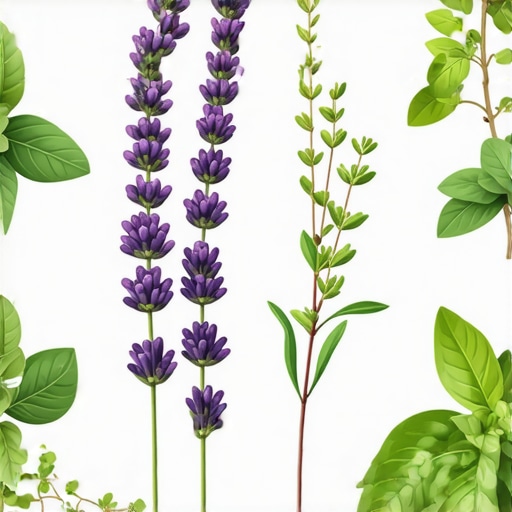
Select native species that exhibit high flood tolerance and deep root systems capable of penetrating compacted subsoil. For a $100 budget, focus on perennial plugs such as Asclepias incarnata (Swamp Milkweed) or Carex species, which provide erosion control and survive both extreme wet and dry cycles.
The Three Zones of Planting
Design your garden in three concentric circles. Zone 1 is the center—the deepest part. These plants must love “wet feet.” Zone 2 is the slope, where plants handle occasional flooding. Zone 3 is the berm or edge, where plants stay mostly dry. By using native plugs instead of 3-gallon pots, you save $15 per plant. Plugs also have better root-to-shoot ratios, meaning they establish faster in tough soil. Avoid the big-box store “clearance” rack. Those plants are often root-bound and stressed. Go to a native nursery where the genetics match your local climate. It matters.
“Siting a rain garden closer than 10 feet to a foundation with a basement is asking for hydraulic pressure issues and basement seepage.” – Drainage Design Manual
Step-by-Step Installation Checklist
- Call 811: Never dig without marking utility lines. Hit a gas line and your $100 project becomes a $10,000 disaster.
- Excavate the Basin: Dig 8-12 inches down. Use the extra soil to build a 6-inch berm on the downhill side.
- Level the Bottom: The floor of your rain garden must be perfectly level to ensure water spreads out rather than pooling in one corner.
- Amend the Soil: Mix 50% sand, 25% compost, and 25% topsoil if your native dirt is heavy clay.
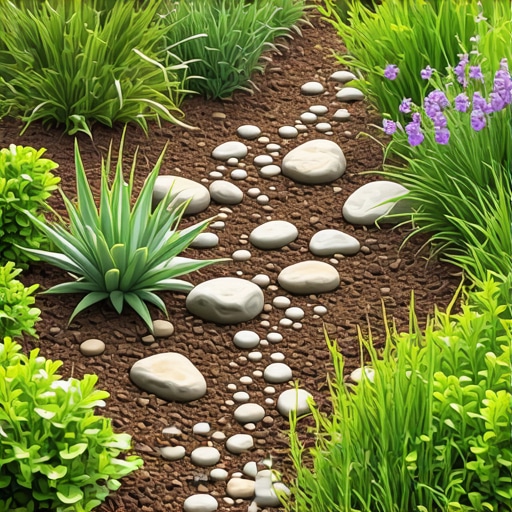
- Armor the Inlet: Place river rocks where water enters the garden to prevent the force of the runoff from washing away your mulch.
- Planting: Space plugs 12 inches apart. They look small now. They won’t in two years.
- Mulch: Use 2-3 inches of double-shredded hardwood mulch. Do not use wood chips; they float away.
Will a rain garden attract mosquitoes?
A properly functioning rain garden will not attract mosquitoes because the standing water infiltrates the soil in less than 48 hours, which is faster than the 7-to-10-day mosquito larvae cycle. The presence of dragonflies and other beneficial insects in a native garden further acts as a biological control for pest populations.
The Maintenance Reality Check
In year one, you are a weed warrior. Native plants spend their first year growing roots, not flowers. This is the “Sleep, Creep, Leap” rule. Year one they sleep, year two they creep, year three they leap. You must keep the weeds out so they don’t outcompete your expensive plugs. Check the inlet after every heavy rain. If silt builds up, shovel it out. If the mulch shifts, rake it back. Don’t use fertilizer. Rainwater is already nitrogen-rich, and these are native plants; they aren’t divas. They want lean soil. Over-fertilizing just creates weak, floppy growth and algae blooms in the standing water. Keep it simple. Let the biology do the heavy lifting. Your goal is a self-sustaining ecosystem that treats water as a resource, not a waste product. If you do this right, your yard will handle a three-inch downpour without a single puddle reaching the street. That is professional-grade landscaping. “