Stop 2026 Moss in Lawns with This $15 Spray
Why Moss is Winning the War in Your Yard
Moss thrives where turf fails due to low soil pH, compacted soil, and poor drainage. To stop moss in 2026, you must address the underlying environmental stressors that allow bryophytes to outcompete your grass blades rather than just treating the symptom. Moss is an opportunist. It fills the vacuum left by dying turf grass. If you have moss, your soil is screaming for help. I have spent two decades looking at failing lawns and the story is always the same. Homeowners focus on the green color while ignoring the structural integrity of the soil profile.
The Chemical Nightmare: A Case Study in DIY Failure
A homeowner called me in a panic after they completely torched their front lawn by applying three times the recommended dosage of a granular moss killer. They thought if a little bit worked, a lot would work better. They ended up with a yard that looked like a blackened wasteland. The iron levels were so toxic that even the weeds wouldn’t grow. This is why I tell people to put down the spreader and pick up the sprayer. Liquid iron sulfate is the professional’s choice because it offers precision. You can target the moss without saturating the soil with excess minerals that take years to flush out. It will rot if you don’t calibrate. Don’t skip this. Most DIYers treat the lawn like a hobby, but I treat it like a laboratory. You need to understand the nitrogen cycle and how moss bypasses the traditional root system entirely.
“Mosses are not the cause of turf decline; they are the result of it. They simply fill the void where grass has failed to establish a canopy.” – Penn State Center for Turfgrass Science
The $15 Solution: Liquid Iron Sulfate Application
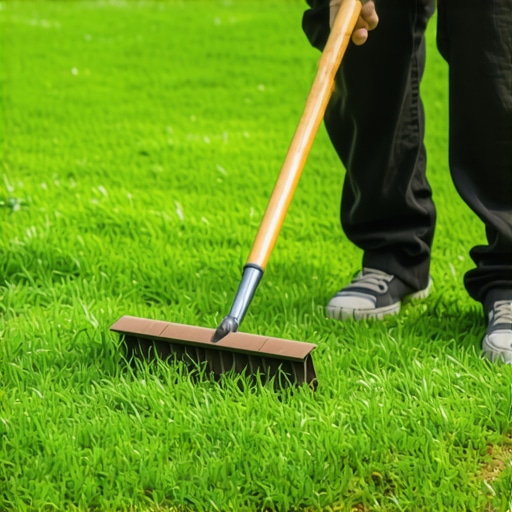
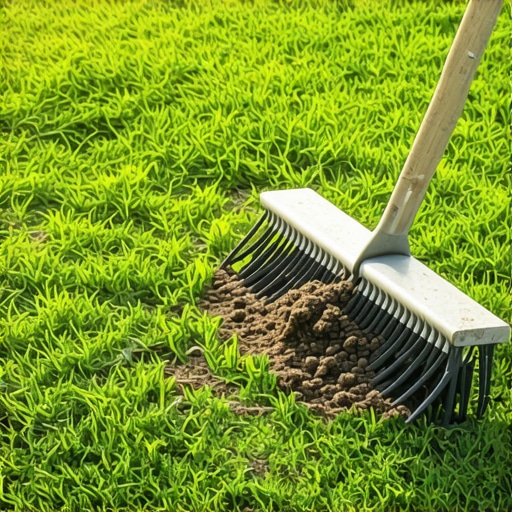
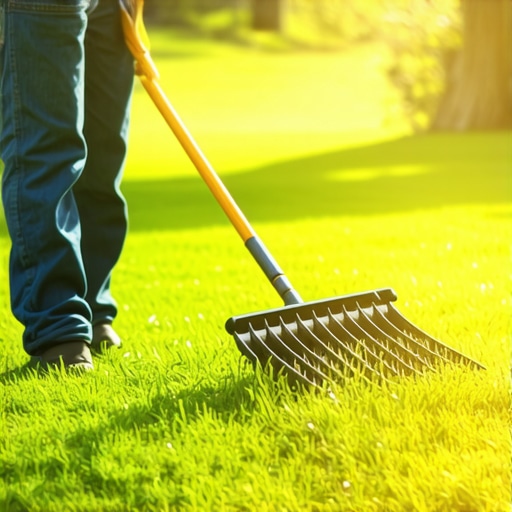
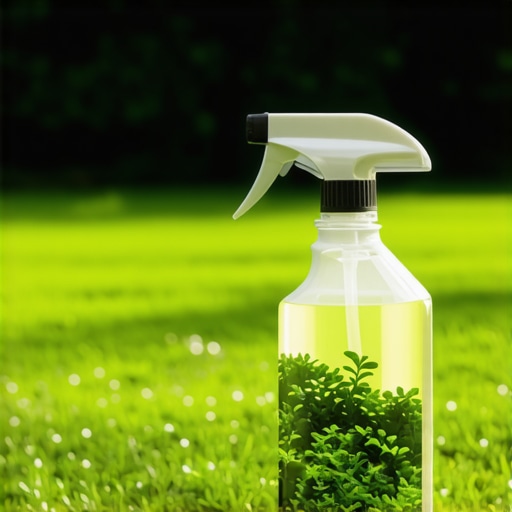
Liquid iron sulfate is the most effective tool in a landscaper’s arsenal for immediate moss desiccation because it dehydrates the moss tissue on contact without harming the surrounding turf grass. You can buy a concentrated bottle for under fifteen dollars that covers thousands of square feet. The moss will turn black within hours. This is the ‘autopsy’ phase where you see the extent of the infestation. Once the moss is dead, you must rake it out. If you leave the dead moss, it forms a hydrophobic barrier that prevents water and oxygen from reaching the soil. Use a power rake or a heavy-duty thatch rake. Get aggressive. You want to see bare dirt.
How much iron sulfate do I need for a moss spray?
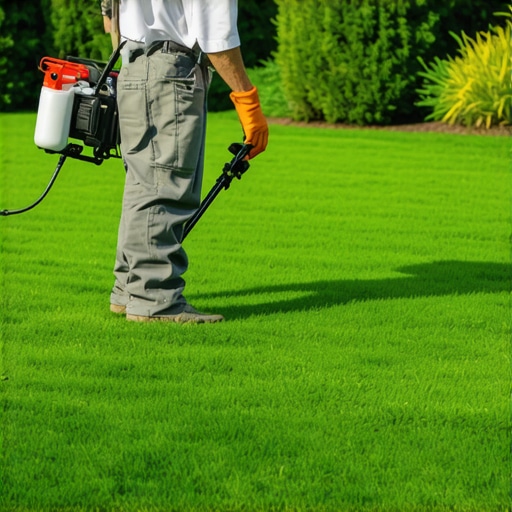
For most residential applications, use 2 to 3 ounces of ferrous sulfate per 1,000 square feet mixed with one gallon of water. Use a CO2-powered sprayer for consistent pressure. If your pressure drops, your droplet size changes, and you lose the efficacy of the application. Moss doesn’t have a vascular system like grass. It absorbs nutrients through its leaves. This means total coverage is non-negotiable. If you miss a spot, the moss will regenerate within weeks.
The Forensic Diagnosis: Why Your Grass is Dying
Moss does not have true roots; it uses rhizoids to anchor itself. If you have moss, it means your soil is likely a compacted mess with a pH below 5.5. Grass needs a pH of 6.5 to 7.0 to properly uptake nutrients. When the pH drops, nutrients like phosphorus and magnesium become chemically locked in the soil. The grass starves, thins out, and the moss moves in. I have seen yards where the soil was so hard you couldn’t drive a screwdriver into it. That is hydrostatic pressure working against you. The water sits on the surface, the grass roots drown, and the moss drinks it up. It is a slow death for your lawn.
| Factor | Optimal for Turf | Optimal for Moss |
|---|---|---|
| Soil pH | 6.0 – 7.0 | 4.0 – 5.5 |
| Light | 6+ hours of sun | Deep shade |
| Drainage | Rapid / Well-drained | Saturated / Standing water |
| Compaction | Low (Aerated) | High (Heavy Clay) |
The Action Plan: 2026 Remediation Checklist
Stopping moss is a multi-step engineering process. You cannot skip the mechanical work. Follow this professional schedule to ensure your lawn is dominant by the 2026 growing season:
- Step 1: Soil Testing. Send a sample to a local lab. Do not use the cheap color-changing kits from the store. You need a full analysis of cation exchange capacity (CEC).
- Step 2: Iron Application. Spray the $15 iron sulfate solution on a cool, overcast day.
- Step 3: Mechanical Thatching. Remove the dead moss 48 hours after spraying.
- Step 4: Core Aeration. Pull 3-inch plugs to break up soil compaction. This allows oxygen to reach the root zone.
- Step 5: Lime Application. If the soil test confirms acidity, apply pelletized calcitic lime to raise the pH.
- Step 6: Overseeding. Use a high-quality, shade-tolerant fescue or rye blend. Cheap seed is 20% weed seed and 30% filler. Buy the good stuff.
“Surface drainage is the most critical factor in managing moss encroachment on athletic fields and home lawns. Without water management, chemical controls are temporary.” – Texas A&M AgriLife Extension
How do I improve drainage to stop moss?
To improve drainage, you must address the soil grading and sub-surface compaction. If your yard has low spots, you need to regrade the area or install a French drain system. Use a 4-inch perforated pipe wrapped in filter fabric and buried in a trench filled with clean 3/4-inch crushed stone. This moves the water away from the root zone and prevents the saturated conditions that moss loves. Most landscapers just throw more seed down, but without fixing the water flow, you are just throwing money into a swamp. I tell my crew every day: we are civil engineers first and gardeners second. If the water doesn’t move, the grass doesn’t grow.
The Long-Term Maintenance Schedule
Once you have cleared the moss and balanced the pH, you must maintain the canopy density. A thick lawn is the best defense against moss. Mow at a height of 3.5 to 4 inches. Scalping the lawn is a death sentence; it opens up the sunlight to the soil surface where moss spores are waiting. Water deeply and infrequently. You want one inch of water per week, applied in a single session. This forces the grass roots to grow deep into the soil profile to find moisture. Shallow watering creates weak grass and a perfect environment for moss. Stop treating your lawn like a carpet and start treating it like a living biological system. Your hands might get dirty, but your lawn will finally be moss-free. No more hacks. No more excuses. Just science and sweat.