Stop 2026 Garden Weeds with This Cardboard Trick
Why Cardboard Sheet Mulching is the Only Professional Way to Stop 2026 Weeds
The cardboard trick, scientifically known as sheet mulching, is a biological suppression system that utilizes a heavy carbon barrier to starve weed seeds of light while simultaneously increasing soil organic matter. Unlike synthetic barriers, cardboard integrates into the soil food web, providing a substrate for saprophytic fungi that improve soil structure and water retention for your future 2026 garden bed.
I always drill into my new crew members: if you don’t fix the soil grading and the seed bank first, every plant you put in the ground is just expensive compost. I remember a job in the fall of 2019 where a client wanted a high-end perennial border. My apprentice thought he could just scrape the surface and plant. I made him stop. We looked at the soil. It was packed with dormant Digitaria (crabgrass) and Amaranthus seeds. I told him, if we don’t suffocate these now, by next spring, this client will be calling us back to complain about a jungle. We laid down three tons of arborists chips over double-layered corrugated cardboard. Two years later, that bed was the cleanest on the block. The soil was like chocolate cake because we let the biology do the heavy lifting. You cannot fight nature with a hoe; you have to outsmart it with physics.
The Physics of Light Deprivation and the Soil Seed Bank
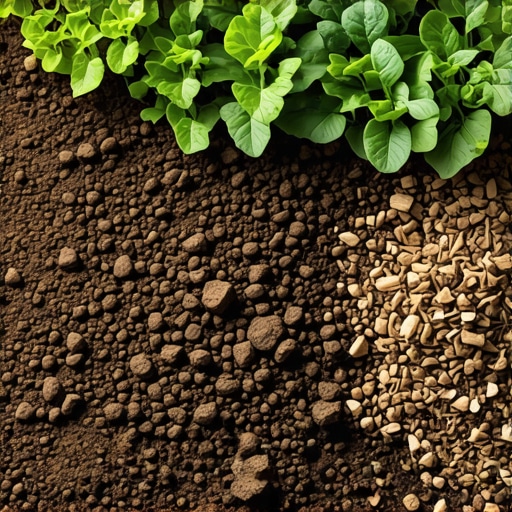
To eliminate weed competition for the 2026 season, you must understand that your soil contains a dormant seed bank that can persist for decades, waiting for a flash of UV light to trigger germination. When you till the soil, you are effectively bringing those seeds to the surface. Cardboard acts as a zero-aperture light filter, ensuring that even if a seed receives moisture and warmth, it lacks the photosynthetic energy to reach the surface. This process of etiolation eventually exhausts the seed’s stored carbohydrate reserves, leading to total mortality of the weed population.
“Sheet mulching, or lasagna gardening, utilizes a carbon-rich barrier to suppress weed germination by eliminating light and oxygen, while promoting a diverse microbial environment.” – University of California Agriculture and Natural Resources Extension
How much modified gravel do I need for a patio base?
While the question of gravel refers to hardscape, the compaction principles apply to garden beds as well. For a standard pedestrian patio, you need a minimum of 4 to 6 inches of compacted 21A or 3/4-inch modified gravel. In the context of garden weeds, if you are building a raised bed over cardboard, you need at least 8 to 12 inches of high-quality loam-based soil to ensure the hydrostatic pressure of the soil weight keeps the cardboard flush against the existing weed layer, preventing oxygen pockets.
Material Engineering: Cardboard vs. Synthetic Landscape Fabric
The primary reason I despise big-box landscape fabric is that it is a mechanical failure waiting to happen. Silt and organic fines eventually clog the weave, creating an impermeable layer that leads to anaerobic soil conditions and surface runoff. Cardboard is a temporary structural barrier. It provides the 12 months of suppression needed to kill the existing weeds, then it decomposes, allowing for unrestricted gas exchange and nutrient cycling between the subsoil and your top dressing.
| Feature | Corrugated Cardboard | Professional Landscape Fabric |
|---|---|---|
| Permeability | High (post-decomposition) | Decreases over time (siltation) |
| Soil Microbiology | Stimulates fungal growth | Inhibits microbial migration |
| Carbon Contribution | High (Cellulose rich) | Zero (Petroleum based) |
| Suppression Lifespan | 12-18 months | 5-10 years (traps weeds on top) |
The Step-by-Step 2026 Preparation Protocol
Follow this engineering-grade checklist to ensure your 2026 garden is free of invasive rhizomes and annual weeds. Do not skip the nitrogen application phase, or you will cause nitrogen immobilization in your soil as the microbes work to break down the carbon-heavy cardboard.
- Site Preparation: Scalp the existing vegetation to a height of 1 inch using a high-torque mower. Do not bag the clippings; they provide initial nitrogen.
- Hydration Phase: Saturate the area with 1 inch of water. Dry soil will pull moisture out of the cardboard, slowing the decomposition of the weed layer.
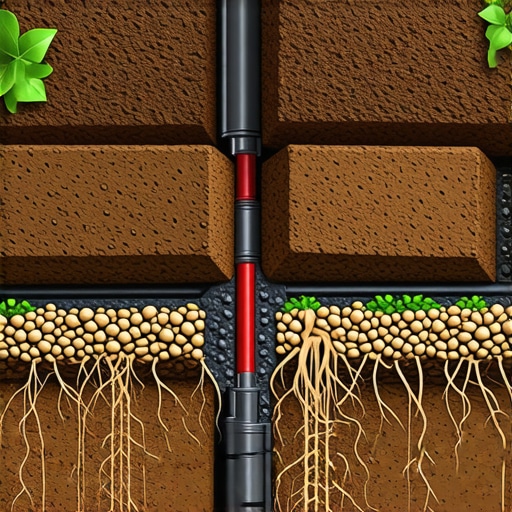
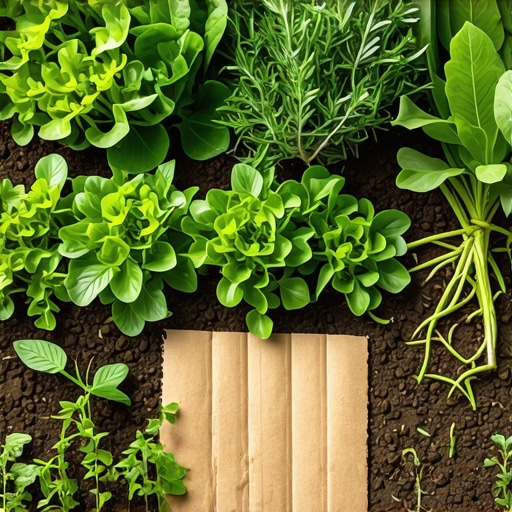
- The Barrier Layer: Lay down non-glossy, brown corrugated cardboard. Overlap every edge by a minimum of 8 inches. Weeds like Convolvulus arvensis (Field Bindweed) will find any gap.
- The Nitrogen Charge: Apply a thin layer of composted manure or blood meal over the cardboard. This provides the C:N ratio adjustment needed for the fungi to thrive.
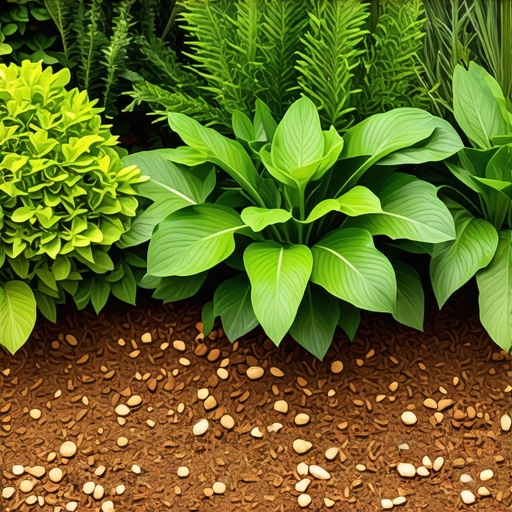
- The Capping Layer: Apply 4 inches of double-shredded hardwood mulch or arborist chips. This protects the cardboard from UV degradation and wind lift.
“Soil compaction and a lack of organic matter are the primary drivers of opportunistic weed colonization in urban landscapes.” – Modern Agronomy Manual Vol. 4
Can I use cardboard with glossy ink for gardening?
Avoid any cardboard with a heavy wax coating or high-gloss plasticized finishes. These materials contain synthetic polymers that do not break down and can leach chemicals into your rhizosphere. Stick to standard brown shipping boxes. Remove all plastic shipping tape and heavy-duty staples before installation. The cornstarch-based glues used in most corrugated boxes are actually a food source for earthworms.
The Biological Timeline: What to Expect in Year One
During the first six months, the cardboard will remain largely intact. You will notice a white mycelial mat forming underneath the layers. This is white rot fungi breaking down the lignin and cellulose. By month nine, the cardboard will be friable and easily pierced by a shovel. By 2026, the barrier will be gone, replaced by a 2-inch layer of vermicompost and humus. Your soil pH will stabilize as the organic acids balance the alkaline tendencies of many urban clay soils. This is not a quick fix; it is soil engineering. It takes time for the microbial biomass to reset the ecosystem. If you see a stray weed poke through a seam, hit it with a localized 20% vinegar solution. Do not pull it, or you will break the fungal bridge you have worked so hard to build. The goal is to keep the soil undisturbed. The 2026 season will reward your patience with a weed-free environment and superior root penetration for your desired plants. It will work. Just don’t get impatient and till the ground.