Building a 2026 Privacy Screen with Lattice and Ivy
Why Structural Integrity Defines Your Privacy Shield
Building a privacy screen in 2026 requires more than just hammering some wood together; it is an exercise in structural engineering and horticultural management. To ensure a long-lasting barrier, one must account for wind-load resistance, hydrostatic pressure near post footings, and the mechanical stress that mature ivy biomass places on vertical structures. Most DIY projects fail because they treat lattice as a decorative veneer rather than a load-bearing surface. It is not just a fence. It is a biological machine.
The Apprentice Lesson: Why Prep Always Beats Speed
I always drill into my new crew members: if you don’t fix the soil grading and footing depth first, every plant you put in the ground is just expensive compost. Last season, a homeowner hired us to fix a screen that had pancaked during a summer storm. The original builder used 4×4 posts set only 18 inches deep in loose clay. When the ivy filled in, it created a 100-square-foot sail. One 40-mph gust snapped the posts at the soil line. We don’t do that here. We dig for the future. You have to respect the leverage that a ten-foot wall exerts on its base. Soil density matters. Compaction matters. If you skip the tamping, you’re just waiting for a lean. Don’t skip this.
The Critical Physics of Lattice Support
A professional lattice screen must withstand the dynamic loads of wind and the static loads of water-saturated foliage. By utilizing pressure-treated 6×6 posts and heavy-duty cedar lattice, you create a rigid framework that prevents the warping and sagging common in retail-grade kits. The spacing of your supports dictates the lifespan of the entire system. Don’t go wider than six feet between posts. It will sag. Lattice is inherently weak at the joints. You need a frame-within-a-frame approach to keep it square over a decade of freeze-thaw cycles.
“A retaining wall doesn’t fail because of the stone; it fails because of the water trapped behind it. Similarly, a privacy screen doesn’t fail because of the wind; it fails because the footings weren’t designed for the load.” – Hardscape Engineering Axiom
How deep do fence posts need to be for a heavy lattice screen?
For a standard 6-foot tall privacy screen, your post holes should be at least 36 inches deep to get below the frost line and provide enough skin friction against the soil. In areas with high wind or soft, sandy loam, extending to 42 inches is a cheap insurance policy against heaving. Use a bell-shaped footing where the bottom of the hole is wider than the top. This locks the concrete pier into the earth, preventing the ‘cork-pull’ effect during winter. We use 4000 PSI concrete. High-early strength isn’t necessary, but density is.
Selecting the Right Ivy: A Biological Load Analysis
The choice of climbing plant dictates the maintenance requirements and the structural lifespan of your lattice screen. While many homeowners reach for English Ivy (Hedera helix), professionals often prefer Boston Ivy (Parthenocissus tricuspidata) or native alternatives that utilize adhesive disks rather than aerial rootlets. This choice impacts the moisture retention on your wood. Aerial roots can penetrate micro-cracks in the lumber, accelerating internal rot. Adhesive disks are less invasive. Know your species. Here is how the top choices compare:
| Plant Species | Growth Rate | Attachment Method | Structural Stress |
|---|---|---|---|
| English Ivy | Fast | Aerial Rootlets | High (Moisture Retention) |
| Boston Ivy | Aggressive | Adhesive Disks | Medium (Deciduous) |
| Virginia Creeper | Moderate | Adhesive Disks | Low (Native) |
| Star Jasmine | Slow/Med | Twining Stems | Moderate (Heavy Wood) |
The Step-by-Step Build Protocol
Follow this installation sequence to ensure your privacy screen survives the 2026 season and beyond. Precision is the difference between a legacy project and a pile of scrap wood.
- Site Survey and Utility Marking: Always call 811 before you dig. Locate any irrigation lines or electrical conduits that could be severed.
- Excavation and Grading: Dig post holes to a minimum of 36 inches. Ensure the surrounding soil is graded away from the post to prevent water pooling.
- Setting the Posts: Use 6×6 pressure-treated lumber rated for ground contact (UC4A or higher). Level and plumb each post using a 4-foot level.
- Frame Construction: Build a 2×4 frame around the perimeter of your lattice panels. This provides the structural rigidity needed to resist bowing.
- Lattice Installation: Secure the lattice using stainless steel screws. Avoid nails, as the expansion and contraction of the wood will eventually pull them out.
- Soil Preparation: Amend the planting area with organic compost to achieve a pH of 6.0-7.0. This ensures the ivy has the nitrogen required for rapid coverage.
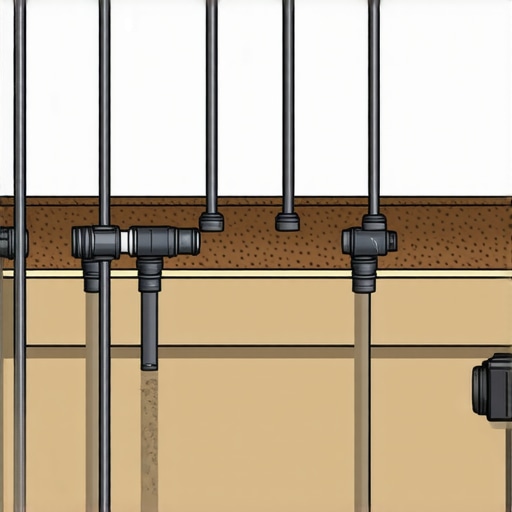
- Irrigation Setup: Install a dedicated drip line at the base of the ivy. Consistent moisture is better than a once-a-week soak.
“The long-term health of vertical greenery depends entirely on the soil’s cation exchange capacity (CEC) and the structural integrity of the support system.” – Penn State Agricultural Extension
Which ivy is best for privacy without destroying my house?
If your screen is near a primary structure, choose non-invasive twining plants or ivy species that are deciduous. Deciduous plants like Boston Ivy allow the wood lattice to dry out during the winter months, which significantly extends the service life of the lumber. Avoid evergreen ivies in humid climates; they trap a layer of saturated air against the wood 24/7. This leads to fungal decay. If you want year-round privacy, use a composite lattice material that is impervious to rot. It costs more upfront. It lasts thirty years.
The Information Gain: The Secret of Root Flare and Soil Compaction
While the internet tells you to water every day, turf grass and ivy actually need deep, infrequent watering—exactly 1 inch per week—to force roots to chase the water down. This creates a drought-resistant plant. Furthermore, never bury the root flare of your ivy. If you plant it too deep, the stem will rot before the roots can establish. Keep the flare at the soil surface. This is basic biology, but it’s where 90% of DIYers fail. They want it to look ‘finished’ on day one, so they bury the plant. Don’t do it. You’re killing it.
Maintenance and the 2026 Outlook
Expect a three-year cycle for full coverage. The first year they sleep, the second year they creep, the third year they leap. During the settling-in period, inspect your fasteners every spring. The weight of the ivy will increase by 40% every year for the first five years. If you see the lattice pulling away from the frame, reinforce it with galvanized carriage bolts. A privacy screen is a living asset. Treat it with the same engineering respect you’d give a deck or a retaining wall. It’s an investment in your property’s quietude and security. Check your levels. Keep your tools sharp.