Stop 2026 Aphid Attacks with This Organic Neem Spray
The Forensic Autopsy of a Failing Garden Bed
Stop 2026 aphid attacks by applying a 2% cold-pressed neem oil solution containing at least 3000ppm Azadirachtin. This organic treatment acts as an antifeedant and insect growth regulator, disrupting the ecdysis process of soft-bodied pests. For maximum efficacy, integrate proper garden design and soil nitrogen management to prevent succulent overgrowth. It is not just about the spray; it is about the entire biological system you are managing. A homeowner called me in a panic after they completely torched their front lawn by applying a high-nitrogen 32-0-4 fertilizer in the middle of a 95-degree heatwave, followed by a heavy drenching of an unlabeled ‘natural’ oil. They didn’t just burn the grass; they created a feast for aphids. The nitrogen caused a flush of weak, succulent growth that acted like a dinner bell for every Aphididae in the county. By the time I arrived, the ornamental maples were dripping with honeydew and the secondary infection of sooty mold had already begun to choke out the remaining photosynthesis. It was a chemical nightmare that required a total reset of the soil pH and a complete removal of the scorched leaf tissue. This is why we don’t guess; we measure.
“Neem oil controls over 200 species of insects by interfering with their metabolic systems, yet it remains relatively non-toxic to mammals when used according to strict protocols.” – Penn State Extension Agronomy Manual
Why Big-Box Store Sprays Often Fail
The majority of consumer-grade products labeled as ‘neem oil’ are actually clarified hydrophobic extract of neem oil. This is a crucial distinction. During processing, the Azadirachtin—the actual compound that kills bugs by mimicking their hormones—is stripped away to be used in high-end pesticides. What you are left with is basically just vegetable oil. While it might smother a few insects, it lacks the residual hormonal impact needed to stop the 2026 breeding cycles. You must source 100% cold-pressed neem oil to ensure the chemical profile includes the limonoids necessary for systemic protection. This is the difference between a temporary fix and a long-term solution. Every 1,000 square feet of garden design should be evaluated for its micro-climate; poor airflow and high humidity are the primary drivers of aphid colonization. If your plants are too crowded, you are building an aphid nursery.
How much neem oil is safe for vegetable gardens?
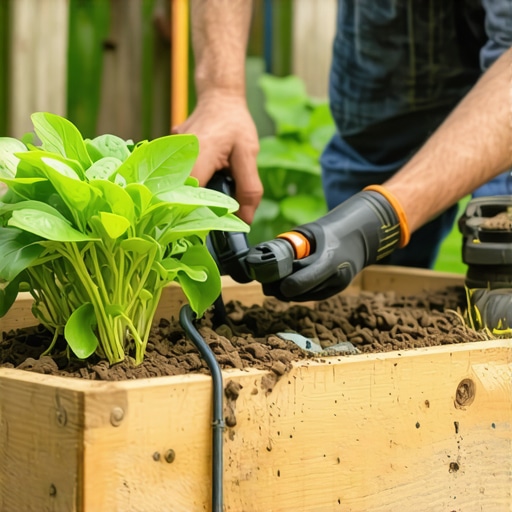
For edible crops, a concentration of 5ml to 10ml of cold-pressed neem oil per liter of water is the industry standard for safe, effective pest management. Always verify the Pre-Harvest Interval (PHI), which is typically zero days for organic neem, though washing produce is mandatory to remove the bitter taste. Use a high-quality emulsifier like potassium oleate to ensure the oil doesn’t separate in the tank. If the oil separates, you will spray pure oil on one plant, causing leaf burn, and pure water on the next, achieving zero pest control. Precision in mixing is the mark of a professional.
| Target Pest Phase | Neem Concentration | Water Volume | Frequency of Application |
|---|---|---|---|
| Preventative / Maintenance | 0.5% (2 tsp/gal) | 1 Gallon | Every 14 Days |
| Active Infestation | 1.0% (4 tsp/gal) | 1 Gallon | Every 7 Days |
| Heavy Outbreak / Remediation | 2.0% (8 tsp/gal) | 1 Gallon | Every 5 Days |
The Mechanics of the 2026 Aphid Lifecycle
Aphids are biologically terrifying. They utilize parthenogenesis, meaning females can give birth to live young without mating. In a single season, you can see 20 generations. This exponential growth is why a ‘little problem’ in April becomes a catastrophe in June. The neem spray works by entering the insect’s system and blocking the prothoracicotropic hormone (PTTH). This prevents the insect from molting into its next life stage. They don’t die instantly; they stop eating and stop breeding. You are essentially breaking the biological machinery of the colony. [IMAGE_PLACEHOLDER]
“A retaining wall doesn’t fail because of the stone; it fails because of the water trapped behind it, and a pest program doesn’t fail because of the spray; it fails because of the timing.” – Hardscape and Landscape Engineering Axiom
Does neem spray affect honeybees and pollinators?
When applied correctly at dawn or dusk, neem oil is generally considered pollinator-safe because it must be ingested or come into direct contact while wet. Once the spray dries, it does not harm bees landing on the flowers. However, you must avoid spraying open blooms where pollinators actively forage. Professional lawn care requires a spatial awareness of the entire ecosystem, not just the target plant. If you see a ladybug larva—which looks like a tiny black alligator—stop spraying. They are your best natural allies and can consume 5,000 aphids in their lifetime. Don’t kill your free labor.
- Check Weather: Ensure temperature is below 85°F to prevent phytotoxicity.
- pH Test: Water pH should be between 6.0 and 7.0 for maximum neem stability.
- Emulsify: Mix oil with soap first, then add to the full volume of water.
- Agitate: Shake the sprayer every 5 minutes to prevent oil separation.
- Coverage: Spray the undersides of leaves where 90% of aphids congregate.
Garden Design and Structural Prevention
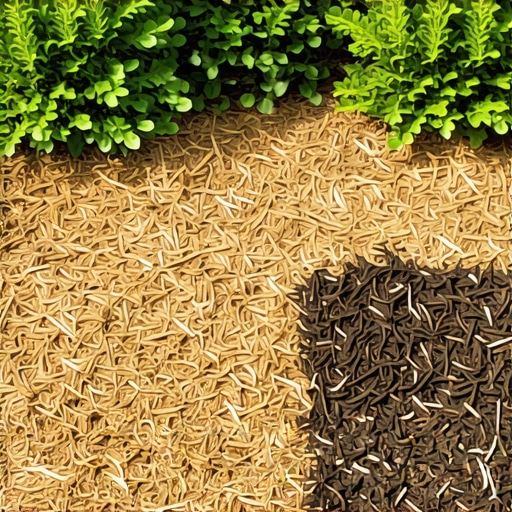
In high-end landscaping, we design for biophilia and resilience. This means choosing plants that are naturally resistant to pests and spacing them to allow for maximum UV penetration and wind movement. Aphids despise moving air. If your garden design involves heavy hedging or ‘mulch volcanoes’ that trap moisture at the base of the plant, you are inviting trouble. Hardscaping also plays a role; dark pavers can radiate heat, stressing nearby plants and making them more susceptible to attack. We use modified gravel bases and proper drainage to ensure plants aren’t sitting in anaerobic soil, which weakens their natural immune responses. A stressed plant is an aphid’s target. If you don’t fix the soil grading first, every plant you put in the ground is just expensive compost. It is that simple. Don’t skip the prep work. 2026 is coming fast, and the larvae are already overwintering in your leaf litter. Clean your garden beds in the late fall to remove the eggs. Use a dormant oil spray in late winter to suffocate anything that survived the freeze. This proactive approach reduces your need for heavy spraying during the growing season. It is about working with biology, not against it. It will rot if you don’t drain it. It will die if you don’t feed it correctly. It will be eaten if you don’t protect it. Maintain the schedule.