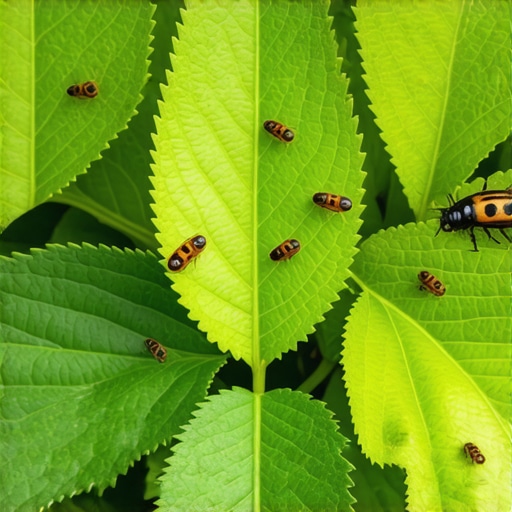
Fix 2026 Rose Black Spot with This Baking Soda Mix
Fix 2026 Rose Black Spot with This Baking Soda Mix
I always drill into my new crew members: if you don’t fix the soil grading and air circulation first, every plant you put in the ground is just expensive compost. Most homeowners see a yellowing leaf with a dark fringe and run for the nearest big-box store to buy a chemical cocktail that nukes the entire local ecosystem. That is rookie behavior. I have spent twenty years watching Diplocarpon rosae—the fungal pathogen we call black spot—decimate high-end garden designs because the installer didn’t understand the physics of moisture. If your roses are dropping leaves faster than a deciduous tree in November, you are likely looking at a failure of environmental management, not just a random infection. It is a biological war. You need to treat it like one.
Understanding the Pathology of Diplocarpon rosae in Modern Landscaping
Rose black spot is a fungal infection characterized by circular black lesions on the foliage, eventually causing chlorosis and premature defoliation. To fix it in 2026, you must alter the leaf surface pH using a sodium or potassium bicarbonate solution combined with a surfactant to prevent spore germination. This treatment works by creating an alkaline environment that is inhospitable to fungal hyphae.
When I walk onto a job site and see roses planted in a tight cluster against a brick wall with no southern exposure, I know I’m looking at a petri dish. The fungus thrives in high humidity and stagnant air. It doesn’t just appear; it hibernates. The spores overwinter in the leaf litter and the cracks of the bark. When the spring rains hit, those spores are splashed upward. This is basic mechanical transport. If you have mulch volcanoes piled up against the rose canes, you are providing a direct ladder for the pathogen. Stop doing it. It kills the plant. One of my mentors used to say:
“A retaining wall doesn’t fail because of the stone; it fails because of the water trapped behind it.” – Hardscape Engineering Axiom
The same logic applies to your roses. The fungus doesn’t win because it is strong; it wins because your garden design trapped moisture on the leaf surface for more than seven consecutive hours.
The Professional Baking Soda Recipe for 2026 Rose Care
To effectively eradicate rose black spot, mix 1 tablespoon of sodium bicarbonate with 1 teaspoon of liquid Castile soap and 1 gallon of distilled water. This creates a fungistatic barrier that prevents Diplocarpon rosae from penetrating the leaf cuticle. Apply the mixture using a high-pressure sprayer to ensure total coverage of the leaf undersides where spores reside.
I prefer potassium bicarbonate over sodium bicarbonate when I’m working on a high-stakes project. Why? Because sodium can build up in the soil and mess with the osmotic pressure in the roots. It is a salt, after all. Potassium is a macronutrient that actually aids in cellular strength. If you are doing this at scale, use the potassium version. You need a surfactant—that’s the soap. Without it, the water just beads off the waxy cuticle of the rose leaf. You want the solution to sheet. It needs to coat the entire surface like a thin film of engine oil. Don’t spray in the middle of a 90-degree day. You will cause phytotoxicity. The sun will magnify through the droplets and scorch the leaf tissue. Spray at dawn. Let it dry before the sun hits its peak.
How often do I spray roses with baking soda?
For active infections, you must spray every 7 to 10 days. If it rains, you spray again immediately after the leaves dry. The goal is to keep the pH of the leaf surface above 8.0, which stops the fungus cold. Consistency is the only way to win this. One missed application allows the spores to germinate. It takes less than a day for a spore to hook into the leaf. Once it is inside, the baking soda can’t touch it. This is a preventative game.
| Treatment Component | Function | Dosage per Gallon |
|---|---|---|
| Potassium Bicarbonate | Alkalinity/Fungicide | 1 Tablespoon |
| Castile Soap | Surfactant/Sticker | 1 Teaspoon |
| Horticultural Oil | Spore Suffocation | 1 Tablespoon |
| Distilled Water | Carrier Medium | 1 Gallon |
Why Your Garden Design is Fueling the Fungus
Proper garden design requires strategic plant spacing to facilitate laminar airflow and reduce the duration of leaf wetness. By ensuring at least 3 feet of clearance between mature rose shrubs, you minimize the micro-climate humidity that allows Diplocarpon rosae to proliferate and overwhelm the plant’s natural defenses. Air is your best fungicide. If you can’t feel a breeze moving through the center of the bush, it’s too thick. Get your bypass pruners out. Open up the center of the plant. It’s called ‘open-center pruning’ for a reason. It allows the sun to hit the interior leaves and dry them out. Sunlight is a natural UV sterilizer. Use it.
How much modified gravel do I need for a patio base?
While this seems unrelated to roses, it is vital for drainage. For a standard patio, you need 6 inches of compacted 21A or 411 modified gravel. This ensures that water moves away from your planting beds. Standing water near a rose bed increases local humidity and leads to root rot, which stresses the plant and makes it more susceptible to black spot. Proper hardscaping supports your horticulture. Everything is connected. If your patio doesn’t drain, your roses will die. It is that simple.
The Step-by-Step Eradication Protocol
To successfully clear black spot from your landscaping, you must follow a mechanical and chemical remediation plan. Begin by stripping all infected leaves from the plant and the ground, followed by a deep soil drench with the bicarbonate solution to neutralize surface spores. Finally, apply a 2-inch layer of hardwood mulch to create a physical barrier between the soil and the foliage.
- Sanitation: Remove every single leaf that shows a spot. Do not compost them. Put them in the trash.
- Pruning: Cut back any canes that show dark lesions or ‘pitting’ in the bark.
- Application: Spray the entire plant until it is dripping. Focus on the ‘V’ where the leaf meets the stem.
- Mulching: Use fresh mulch to cover the soil. This prevents the ‘splash-back’ effect during rain.
- Monitoring: Check the new growth every three days. If you see a spot, you missed a spore.
“Successful disease management in turf and ornamentals relies on the disease triangle: a susceptible host, a favorable environment, and the presence of a pathogen.” – Penn State Extension Agronomy Manual
You cannot always remove the pathogen, and you have already chosen the host. Your only lever is the environment. Change the environment. Change the pH. Control the water. If you don’t do these things, you are just wasting money on baking soda. It requires discipline. It requires an eye for detail. Most people are too lazy for it. They want a miracle in a bottle. There is no miracle. There is only physics and chemistry. Keep your tools sharp and your sprayers pressurized to at least 40 PSI for a fine mist. Anything less is just a heavy drizzle that won’t get the job done. Get to work.