Build a $150 2026 Cedar Gate for Garden Fences
Why Most Garden Gates Fail Before the Second Season
Building a $150 cedar gate requires a shift from cosmetic carpentry to structural engineering, focusing on wood hygroscopy and compression bracing to prevent the inevitable sag that plagues DIY installs. I always drill into my new crew members: if you don’t fix the soil grading first, every plant you put in the ground is just expensive compost, and if you don’t calculate the torque on those hinges, that gate is just a future pile of kindling. Most homeowners see a gate as a decorative accessory for their garden design, but as a contractor, I see a dynamic load-bearing structure. A gate is a lever. It is constantly fighting gravity and the freeze-thaw cycles of the soil. If your post isn’t deep enough or your brace is upside down, you’re just wasting hardscaping labor.
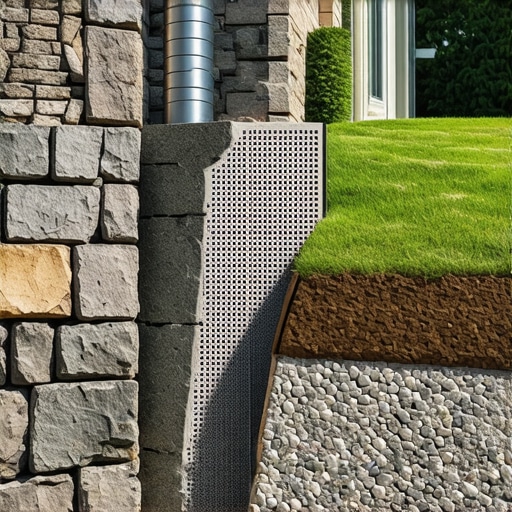
“A retaining wall doesn’t fail because of the stone; it fails because of the water trapped behind it.” – Hardscape Engineering Axiom
The Material Science of Western Red Cedar in 2026
To stay under a $150 budget while ensuring a 20-year lifespan, you must select Western Red Cedar for its natural thujaplicins and tannins which resist rot and insect infestation. In the world of landscaping, we don’t buy clear cedar for a utility gate; we look for ‘STK’ (Select Tight Knot) grade. You need four 1×4 boards for the pickets, two 2x4s for the horizontal rails, and one 2×4 for the diagonal brace. The 2026 market prices have stabilized, but the quality of big-box lumber has tanked. Always check the moisture content with a meter. If it’s above 19%, that wood will shrink and warp your frame by mid-summer. It will fail. Don’t skip the inspection.
How do I stop my cedar garden gate from sagging?
You stop a cedar garden gate from sagging by installing a diagonal compression brace that runs from the bottom hinge corner to the top latch corner. This transfer of force ensures that the weight of the gate is pushed back into the hinge post rather than pulling the latch side down toward the soil. This is basic physics, yet 70% of gates I see are braced incorrectly. If the brace is in tension (top hinge to bottom latch), the fasteners are doing all the work. In compression, the wood grain itself carries the load. Use 3-inch 304 stainless steel screws to avoid the black streaks caused by tannin reactions with galvanized coatings.
| Material Item | Specifications | Estimated Cost (2026) |
|---|---|---|
| Cedar 2×4 Rails | 8-foot STK Grade | $24.00 | Cedar 1×4 Pickets | 6-foot Tight Knot | $48.00 | Stainless Hardware | Heavy Duty 8-inch T-Hinges | $35.00 | Structural Screws | 3-inch 304 Grade (lb) | $15.00 | Quikrete 5000 | High Early Strength (2 bags) | $18.00 |
| Total | Project Estimate | $140.00 |
Setting the Post: The Hardscaping Foundation
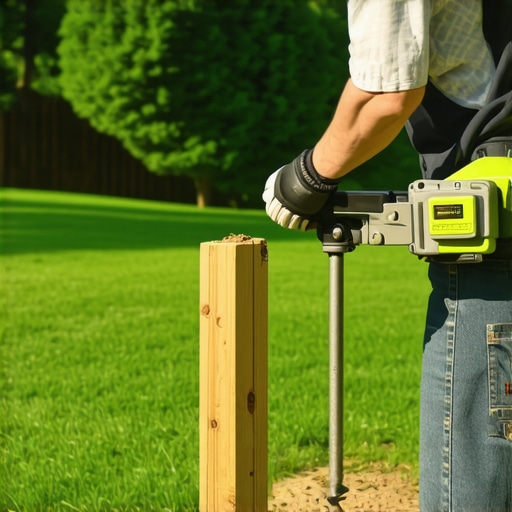
The post-setting process is where most lawn care enthusiasts fail because they don’t account for hydrostatic pressure or frost heave. A 4×4 gate post must be buried at least 36 inches deep, or 12 inches below your local frost line. I don’t care if the ground is hard; rent a power auger. At the bottom of the hole, dump 4 inches of modified gravel (3/4-inch minus) to allow water to drain away from the wood grain. If you encase the bottom of the post in a concrete ‘bucket’ without drainage, the post will rot from the inside out in five years. You want the concrete to be a collar, not a boot. This ensures the biologically stable environment the wood needs.
“Effective timber longevity is dictated by the wood’s ability to shed moisture at the end-grain interfaces.” – USDA Forest Products Laboratory Manual
Step-by-Step Installation Checklist
- Site Prep: Call 811 to mark underground utilities before digging.
- Post Install: Level the post in two directions using a post-level.
- Frame Assembly: Use a framing square to ensure the 2×4 box is perfectly 90 degrees.
- Bracing: Cut the diagonal brace at a 45-degree angle for a snug compression fit.
- Hardware: Pre-drill all holes to prevent splitting the cedar grain.
- Finish: Apply a paraffin-based wood sealer to the end-grain only.
What is the best hinge for a heavy cedar gate?
The best hinge for a heavy cedar gate is a triple-strap T-hinge made of powder-coated steel or stainless steel, as these distribute the load across a larger surface area of the 2×4 rail. Avoid cheap ‘butterfly’ hinges found in the screen door section. A 48-inch wide gate creates significant rotational torque. I recommend using three hinges instead of two: one at the top, one at the bottom, and one 12 inches below the top hinge to fight the leverage effect of the gate’s weight. This is a standard hardscaping trick for longevity.
Maintenance and Soil Health
Once the gate is hung, look at the ground. If you have heavy red clay or compacted soil, the area under the gate will become a mud pit, affecting the nitrogen cycles of the nearby turf. I suggest a small 2-foot wide strip of river rock or pea gravel directly under the gate’s swing path. This prevents soil compaction and ensures that lawn care equipment doesn’t scalp the turf trying to trim around the gate. A well-built gate is part of a garden design ecosystem. It’s not just a door; it’s a structural boundary that interacts with the biology of your yard. Don’t let a $150 project fail for lack of a $10 bag of gravel.