![Build a $100 2026 Pea Gravel Fire Pit [Weekend DIY]](https://lawnmajesty.com/wp-content/uploads/2026/05/Build-a-100-2026-Pea-Gravel-Fire-Pit-Weekend-DIY.jpeg)
Build a $100 2026 Pea Gravel Fire Pit [Weekend DIY]
The Engineering Behind a Permanent Fire Pit Installation
A DIY pea gravel fire pit requires a compacted sub-base, heavy-duty geotextile fabric, and a defined retention border to prevent gravel migration and drainage failure. Most homeowners skip the excavation depth, leading to a messy, sinking pit that ruins the surrounding turf grass and landscape integrity.
I recently got called out to tear up a $30,000 patio that was sinking because the previous contractor thought he could just dump stone over topsoil. It was a disaster. The soil had compressed, the drainage was non-existent, and the hydrostatic pressure had bowed the edges. This is why I drill into my crew: you don’t build on top of the ground; you build into it. Whether you are spending a hundred dollars or a hundred thousand, physics does not care about your budget. If you don’t remove the organic matter—the grass and the dark, spongy topsoil—your fire pit will be a tilted mess within two seasons. We are looking for the subsoil, the mineral-heavy layer that can actually support a load. Skip this and you are just throwing money into a hole.
“A retaining wall doesn’t fail because of the stone; it fails because of the water trapped behind it.” – Hardscape Engineering Axiom
The Materials Breakdown: Why Pea Gravel?
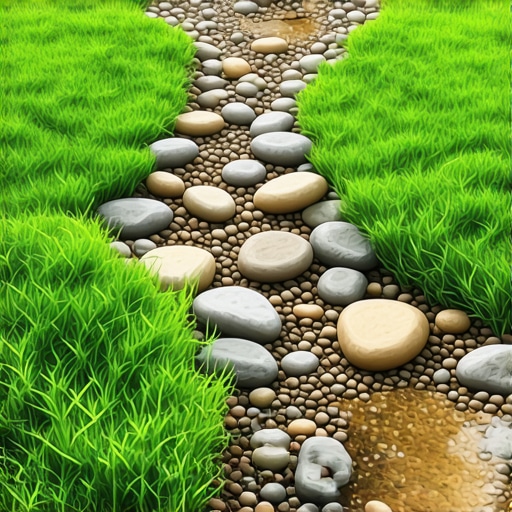
Pea gravel is specific. We are talking about 3/8-inch rounded stones. It is naturally permeable, meaning water moves through it at a high velocity, preventing puddling. However, because the stones are rounded, they do not ‘lock’ together like crushed limestone (3/4-minus). This means your border must be rigid. If the border moves, the gravel travels. For a 2026-ready DIY build, we are focusing on sustainability and high-drainage materials that won’t require chemical stabilizers. We use the following material specifications:
| Material | Purpose | Estimated Cost |
|---|---|---|
| 3/8″ Pea Gravel | Surface Layer / Drainage | $40 – $50 (Bulk) |
| Non-Woven Geotextile | Separation Layer | $15 – $20 |
| Steel or Pressure Treated Edging | Containment Border | $25 – $35 |
| 4-inch Fire Ring | Heat Protection | $0 – $30 (Upcycled) |
How much modified gravel do I need for a patio base?
For a standard 10-foot diameter fire pit area, you need approximately 0.5 to 0.75 cubic yards of pea gravel to reach a 2-inch depth. You must also account for a 2-inch compacted sub-base of 2A modified stone if your soil has high clay content to prevent settling.
Step 1: The Excavation and Grade Logic
Start by marking a 10-foot circle. Do not just start digging. Check for 811 utility markings first. You need to excavate 4 to 6 inches down. This isn’t just to make room for the stone; it is to remove the root zone of the grass. Grass left under gravel will rot, create anaerobic pockets, and cause the pit to smell like a swamp. Once excavated, you must check the grade. If the pit is at the bottom of a slope, you are building a pond, not a fire pit. You need a 1% slope away from the center to ensure water exits the sub-base. It must be level. Don’t eyeball it.
Step 2: The Geotextile Separation Layer
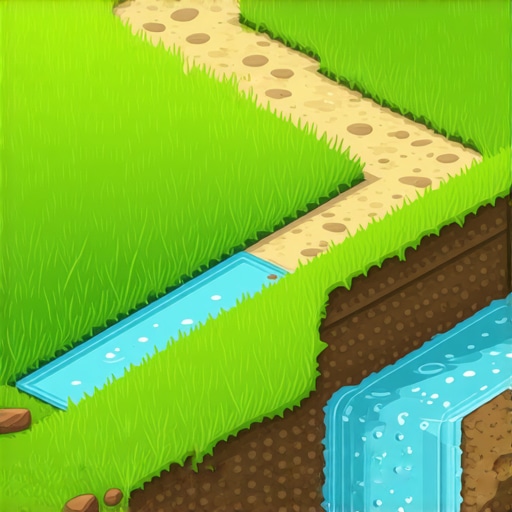
This is where the hacks fail. They put down cheap black plastic or thin weed fabric from a big-box store. It will tear. You need a 4-ounce or 6-ounce non-woven geotextile. This fabric allows water to pass through but prevents the subsoil (mud) from mixing with your clean pea gravel. If they mix, the gravel loses its permeability. It becomes a mess. Lay the fabric flat, overlapping seams by at least 12 inches. Pin it down with 6-inch steel staples. Don’t be stingy.
“The primary cause of hardscape failure is the migration of fines from the subgrade into the aggregate base.” – ICPI Tech Spec No. 2
Step 3: Edge Retention and Compaction
Your border is the only thing keeping your $100 investment in place. Use heavy-duty steel edging or pressure-treated 4x4s rated for ground contact. If using wood, drill through and drive 18-inch rebar spikes to anchor them. The pea gravel behaves like a fluid; it will push outward. Once the border is set, if you are using a base layer of crushed stone, use a plate compactor. For a small DIY pit, a hand tamper works if you have the arm strength. The base should literally bounce the tamper back at you. It should be rock hard. If it feels soft, keep tamping.
How do I prevent weeds in a pea gravel pit?
To prevent weeds in a pea gravel fire pit, avoid using soil-filled gaps and ensure the non-woven fabric is installed correctly. Use a pre-emergent herbicide twice a year, specifically targeting the perimeter where organic matter collects and provides a germination bed for wind-blown seeds.
The Final Fill: Depth and Heat Safety
Pour your pea gravel to a depth of 2 to 3 inches. Any deeper and it becomes difficult to walk on—like walking through deep sand. Any shallower and the fabric will show through. In the center, place your fire ring. Do not build a fire directly on the gravel or the fabric. The heat will melt the geotextile and can cause certain types of river stone to explode due to trapped moisture (spalling). Use a steel ring or a base of fire bricks. It is safer. It lasts longer.
- Excavate to subsoil (4-6 inches).
- Install 6oz non-woven geotextile.
- Secure rigid edge restraints.
- Compact the sub-base thoroughly.
- Spread pea gravel to exactly 2.5 inches.
Maintenance is simple but mandatory. Leaf blow the debris out every fall. If organic matter builds up in the gravel, weeds will grow in the gravel, not through the fabric. Clean gravel doesn’t grow weeds. Dirty gravel does. It’s a biology problem, not a fabric problem. Keep it clean and this pit will outlast your house. Skip the details, and you’ll be digging it out by next July.