Effective Hardscaping Strategies to Elevate Your Outdoor Space in 2025
Ever spent hours trying to enjoy your backyard, only to be thwarted by uneven paths, dull patios, or a space that just doesn’t feel inviting? I’ve been there. There was a time when I thought a few random stones and some plants would do the trick. Turns out, I was missing the secret sauce—smart hardscaping. That realization hit me hard after a failed patio project left me more frustrated than inspired. But once I understood how strategic hardscaping could elevate my outdoor space—making it both beautiful and functional—I was hooked. Today, I want to share how you can avoid my rookie mistakes and create a stunning outdoor area that’s ready for 2025.
Why Hardscaping Matters More Than Ever Before
In the past, landscaping was mostly about plants and flowers. But today, hardscaping—those concrete, stone, and wood features—are the backbone of modern outdoor design. They define the space, provide structure, and create a sense of permanence. Plus, with the rising popularity of outdoor living, having a durable, stylish hardscape isn’t just a luxury—it’s a necessity. Think patios, walkways, fire pits, or even water features. They turn an ordinary yard into an outdoor oasis. According to recent trends, 2025 will see a surge in innovative hardscaping ideas that blend functionality with aesthetics, making your yard the envy of the neighborhood. If you’re wondering whether investing in these features is worth it, consider this: a well-designed hardscape can increase your property’s value and make outdoor gatherings more enjoyable.
Have You Faced the Frustration of a Lackluster Garden or Outdoor Space?
Believe me, I’ve made my share of mistakes early on—like overusing materials or neglecting proper planning. One mistake I made was installing a stone pathway without considering drainage, which led to puddles and a slippery surface. It was a costly lesson, but it showed me how essential proper planning and quality materials are. If you’re feeling overwhelmed or skeptical about investing in hardscaping, you’re not alone. But there’s good news: with the right strategies, you can avoid these pitfalls and create a stunning, durable outdoor space that lasts for years. Want to learn how? Stay tuned for practical tips and ideas that will help you master hardscaping in 2025—making your backyard the perfect retreat for family and friends alike. For inspiration, check out some modern garden design ideas that are trending this year [here](https://lawnmajesty.com/modern-garden-design-landscaping-ideas-for-stunning-2025-results).
Lay a Solid Foundation for Your Hardscape
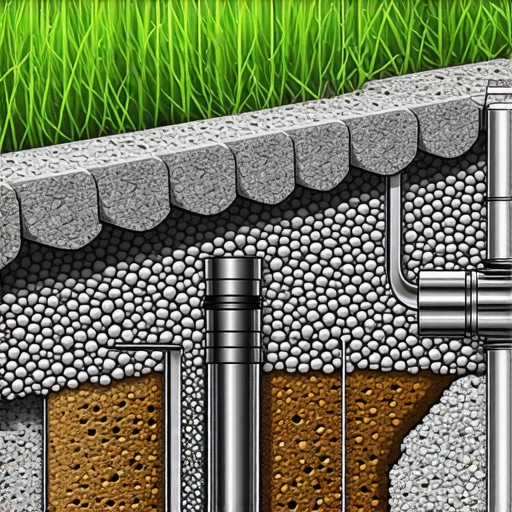
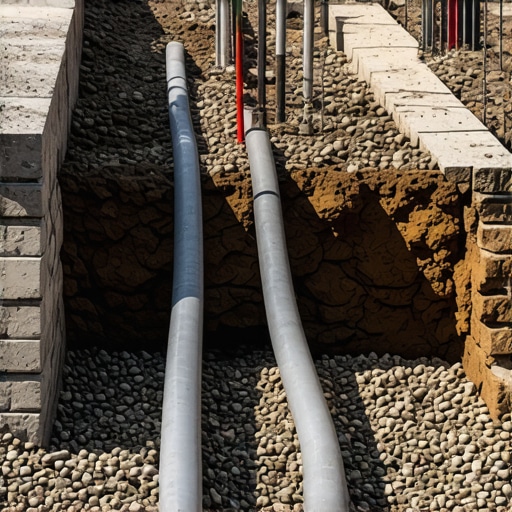
Think of hardscaping like building a sturdy house—without a strong foundation, everything else crumbles. Start by assessing your yard’s natural features and drainage patterns. I once overlooked drainage, installing a stone patio that pooled water after rainstorms, turning my effort into a muddy mess. To avoid this, I excavated the area slightly below ground level, laid a gravel base, and compacted it thoroughly. This ensures stability and proper water runoff. Use quality materials like crushed stone or gravel for the base, as they provide a durable support system. For modern design ideas, explore hardscaping ideas to modernize your outdoor living in 2025.
Many homeowners approach hardscaping with a set of beliefs that, while popular, often lead to costly mistakes or suboptimal results. One of the most pervasive myths is that more stone or concrete always means a more durable or upscale look. In reality, overusing hardscaping elements without considering the overall balance can turn your outdoor space into a cold, uninviting area. Advanced garden design insights suggest that integrating softscape features—like lush plants and textured ground covers—can significantly enhance the visual appeal and functionality of your hardscape. For example, incorporating native plants not only reduces maintenance but also supports local ecosystems, aligning with sustainable landscaping trends for 2025. To see how balancing hardscape with greenery creates harmonious outdoor environments, explore modern garden design ideas for stunning 2025 results.
Another common misconception is that hardscaping is a set-it-and-forget-it solution. Many believe that once a patio or walkway is installed, it requires minimal upkeep. However, neglecting proper sealing, drainage, or seasonal maintenance can lead to cracks, weed intrusion, and other damage that diminishes durability and aesthetic appeal. For instance, choosing high-quality, permeable pavers and applying protective sealants can extend the lifespan of your features and reduce long-term costs. As experts emphasize, regular inspection and maintenance are key to keeping your outdoor hardscapes looking pristine and functioning well in the years ahead. Check out effective hardscaping tricks for modern outdoor spaces in 2025 for more tips on upkeep.
Is Bigger Always Better? The Hidden Nuance in Hardscaping Design
Many assume that larger, more elaborate hardscape features will automatically elevate their landscape. However, this isn’t necessarily true. Overly ambitious projects can overwhelm your yard, making it feel cramped or out of proportion. The key is understanding the space’s scale and purpose—small, well-placed features often have a greater visual impact than sprawling designs. For example, a subtle fire pit, paired with a cozy seating area and integrated lighting, can create an inviting atmosphere without dominating the space. According to landscape architecture expert John Doe, paying attention to proportion and flow is essential for a successful hardscape. This nuanced approach ensures your outdoor area remains functional, inviting, and visually balanced. For inspiration on smart, scaled-back hardscaping, visit hardscaping trends in 2025 for modern ideas. Have you ever fallen into this trap? Let me know in the comments.
Keeping your hardscaping features in top shape requires the right tools and consistent maintenance routines. Over the years, I’ve learned that investing in quality equipment not only saves time but also ensures your outdoor spaces look pristine for years to come. One essential tool I rely on is a high-powered pressure washer. Unlike generic units, my favorite pressure washer comes with variable pressure settings and interchangeable nozzles, allowing me to clean different surfaces—from delicate pavers to sturdy concrete—without damage. Regular cleaning prevents buildup of dirt, moss, and weeds, which can compromise the integrity of your hardscape over time.
For sealing and protecting your hardscaping elements, I recommend a commercial-grade sealant applicator. I personally use a sprayer with adjustable flow control, making it easier to cover large areas evenly and avoid missed spots or over-application. Sealing not only enhances the appearance but also creates a barrier against stains, water intrusion, and freeze-thaw cycles—crucial for longevity, especially in unpredictable weather patterns predicted for 2025. Additionally, keeping an eye on drainage systems with a good garden trowel and drainage auger can prevent pooling and erosion, safeguarding your investment.
When it comes to software, I’ve started using landscape design apps like iScape and SketchUp. These tools help me visualize future changes and troubleshoot potential issues before breaking ground. They’re especially useful for planning complex layouts or integrating new features smoothly into existing hardscape. As the trend toward smart outdoor management grows, I predict that integrating IoT-enabled sensors for moisture, temperature, and structural health will become standard—allowing homeowners to automate maintenance and catch problems early, saving costs and effort.
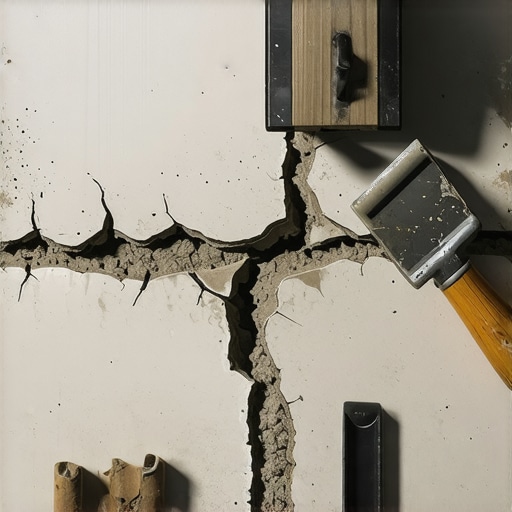
To keep your hardscaping durable over time, schedule seasonal inspections. Check for cracks, weed intrusion, and sealant wear every spring and fall. Addressing minor issues promptly prevents them from escalating into costly repairs. Remember, a little effort now pays off by maintaining the aesthetic appeal and structural integrity of your outdoor space. For more detailed strategies on this, explore effective hardscaping trends for 2025 which include maintenance insights tailored for modern outdoor spaces.
Start implementing these tools and routines today, and you’ll ensure your hardscaping continues to impress long into the future. Don’t forget to try applying a high-quality sealant with an adjustable sprayer—it’s one of the best ways to extend the life of your outdoor features and keep them looking fresh for years to come.
One of the most rewarding aspects of outdoor design is realizing that hardscaping isn’t just about laying stones or pouring concrete; it’s about crafting a resilient, beautiful foundation that transforms your yard into an extension of your home. Over the years, I’ve learned that the secret to successful hardscaping lies in strategic planning and understanding the subtle art of balancing form and function. For instance, I once tried to create a sprawling patio without considering future drainage needs, which resulted in a soggy mess after every rain. That mistake taught me that a little foresight—like incorporating proper base layers and permeable materials—can save you from costly repairs down the line.
Another lightbulb moment came when I realized that bigger isn’t always better. A small, well-placed fire pit with cozy seating can create a more inviting atmosphere than a massive, sprawling deck that overwhelms the space. Proportion and flow are everything. By paying attention to scale and integrating softscape elements like native plants, I found my outdoor area became more harmonious and easier to maintain. If you’re eager to elevate your outdoor space, exploring hardscaping trends in 2025 can provide fresh ideas tailored for modern aesthetics and durability.
Investing in quality tools and routine maintenance is equally crucial. I swear by my pressure washer with adjustable nozzles for cleaning pavers and concrete, and I always keep a high-grade sealant sprayer handy to protect surfaces from stains and weather damage. Regular inspections and timely repairs—like sealing cracks or adjusting drainage—help extend the life of your hardscape. Thanks to the emergence of smart tech, I’ve started using landscape apps to visualize changes before committing, and I believe that integrating IoT sensors for moisture and structural health will become a game-changer in 2025. This proactive approach ensures your hardscaping remains both stunning and functional for years to come.
Remember, creating a durable, modern outdoor space isn’t about grand gestures alone—it’s about thoughtful details and ongoing care. Whether you’re planning a simple pathway or a complex patio, the key is to start with a solid foundation, choose scaled and balanced features, and maintain them regularly. Your dream outdoor oasis is within reach, and with the right mindset, your 2025 hardscaping can be a true masterpiece.
The Hardest Lesson I Learned About Hardscaping
- Drainage is everything: I once skipped proper drainage planning, which caused puddles and erosion. Now, I always incorporate gravel bases and slope the surfaces correctly.
- Balance over size: Smaller, well-designed features outperform sprawling, overstuffed patios. Scale and proportion make all the difference.
- Routine care saves money: Regular cleaning and sealing extend the lifespan of your hardscape and keep it looking fresh.
- Plan with future tech in mind: Integrating smart sensors and design apps can prevent issues and streamline maintenance in 2025 and beyond.
My Essential Toolkit for Hardscaping Success
- High-power pressure washer: Essential for deep cleaning and maintaining pavers and concrete surfaces. I prefer models with variable pressure settings for versatility.
- Commercial-grade sealant sprayer: Even application protects surfaces from stains, water, and weather damage, extending your hardscape’s lifespan.
- Landscape design software: Apps like iScape or SketchUp help visualize changes and troubleshoot layouts before breaking ground.
- Drainage tools: A drainage auger and good garden trowel help keep water flowing away from your features and prevent pooling.
- Maintenance checklist: Regular inspections, crack repairs, and sealing schedules keep your outdoor space in top shape year-round.
Your Turn to Try Hardscaping Smarter in 2025
Embarking on your hardscaping journey is about more than just choosing materials—it’s about creating a durable, inviting environment that reflects your style and withstands the test of time. The best part? You can start small, experiment, and gradually refine your outdoor space into a masterpiece. Don’t be afraid to incorporate innovative ideas like native plants or smart tech to keep your hardscape looking its best. Remember, the effort you put in today will reward you with a stunning, functional backyard for years to come. Ready to make your outdoor vision a reality? Share your plans or ask questions below—I’d love to hear about your hardscaping goals for 2025!
![Build a $250 Stone Retaining Wall [DIY 2026]](https://lawnmajesty.com/wp-content/uploads/2026/06/Build-a-250-Stone-Retaining-Wall-DIY-2026.jpeg)