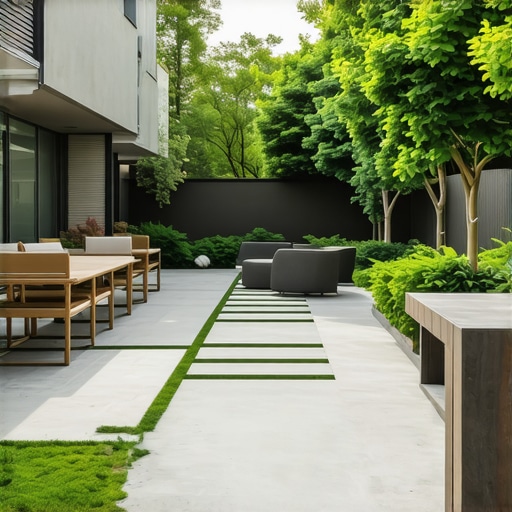
I remember the moment clearly. I was standing in my backyard, staring at a muddy patch that was supposed to be a patio, but looked more like a forgotten construction site. Every year, I’d try to upgrade my outdoor space, only to be disappointed by trendy ideas that quickly became outdated or, worse, impractical. It was frustrating, and I wondered if I was missing something essential about hardscaping that could actually make a difference.
Why Hardscaping Matters More Than Ever in 2025
Here’s the truth: a well-designed hardscape can totally redefine your outdoor living. It’s not just about aesthetics; it’s about creating a durable, functional, and stylish space that lasts through the seasons. With climate fluctuations and rising outdoor living expectations, investing in the right hardscaping trends can turn your yard into a year-round retreat. Plus, according to recent industry reports, innovative hardscaping techniques can increase your property value significantly—sometimes by up to 20%!
If you’ve ever faced the dilemma of choosing materials or worried that hardscaping might be too complicated or expensive, you’re not alone. I’ve made my fair share of mistakes early on—like overloading my project with trendy, high-maintenance features that looked good but quickly fell apart. That’s why I want to share practical, proven strategies that work now, not just for the season but for years to come.
In this post, I’ll guide you through the hottest trends and effective ideas to transform your outdoor area into a stunning modern sanctuary. Ready to ditch the muddy patches and embrace a sleek, durable, and stylish hardscape? Let’s dive into the essentials that will make your backyard the envy of the neighborhood.
Is Hardscaping Too Trendy or Actually Worth the Hype?
I remember thinking that some hardscaping ideas seemed flashy and fleeting. My early mistake was jumping on every new trend without considering long-term durability or how it would fit with my lifestyle. That’s a common pitfall, but the good news is, with the right guidance, you can avoid it. For a deeper dive into innovative ideas that stand the test of time, check out this comprehensive guide.
Lay a Strong Foundation with Planning and Design
My first mistake was jumping straight into materials without a clear plan. I remember sketching my layout on scrap paper, considering current trends like permeable pavers and eco-friendly materials. Think of this step as building a blueprint; it ensures your hardscape will be durable and stylish. Use online tools or consult with a landscape designer to visualize how elements like stone pathways, patios, and seating areas will fit together. This strategic planning saves money and prevents costly mistakes later.
Choose Materials That Last and Impress
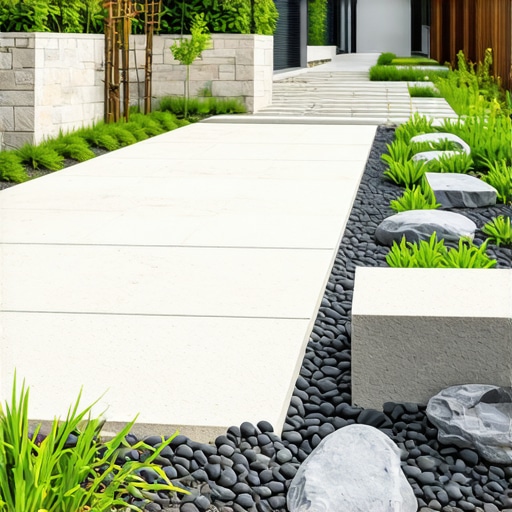
During my project, I experimented with different materials. I initially picked a trendy composite decking, only to find it faded within a year. Now, I opt for natural stone or concrete pavers for their longevity and timeless appeal. When selecting materials, consider climate, maintenance, and aesthetic compatibility. For example, textured concrete offers slip resistance and modern looks, perfect for 2025 trends. For inspiration, check out this guide.
Master the Art of Proper Installation
I once attempted to lay a patio myself, which ended in uneven surfaces and shifting stones. Proper installation is crucial—think of it like building a sturdy foundation for a house. Use a level, compact the base layers thoroughly, and set each stone precisely. For large areas, consider hiring professionals or renting equipment like plate compactors. This ensures your hardscape remains flat and durable over time. For detailed techniques, see top strategies.
Incorporate Functional and Stylish Features
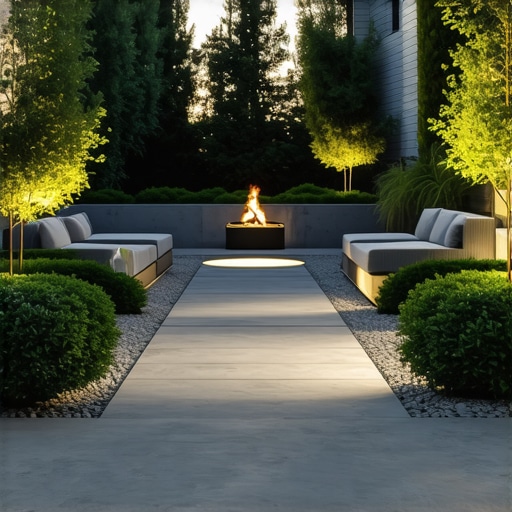
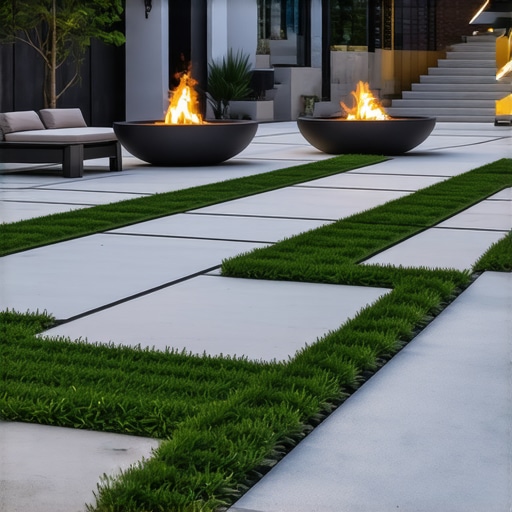
Adding features like built-in lighting or water elements can elevate your outdoor space. I installed solar-powered LED lights along my pathway, which not only look sleek but also extend usability into the evening. Think about how your hardscape can serve both form and function—fire pits, outdoor kitchens, or seating walls. These elements should blend with the overall design while enhancing outdoor living. For ideas, explore modern hardscaping ideas.
Prioritize Maintenance and Longevity
In my early projects, I overlooked maintenance, leading to quick deterioration. Now, I select low-maintenance materials and plan for easy access to cleaning and repairs. Regular sealing, weed control, and proper drainage keep your hardscape looking fresh. To ensure longevity, incorporate drainage slopes and use weather-resistant materials. This approach guarantees your investment continues to impress for years to come. For tips on upkeep, visit refreshing ideas.
When it comes to hardscaping, many homeowners operate under misconceptions that can lead to costly mistakes. Let’s dig deeper into some of the most persistent myths and reveal what you need to truly know to avoid pitfalls.
Why Most People Overlook the Hidden Costs of Cheap Materials
A widespread belief is that opting for the cheapest materials will save money. However, this often backfires. Low-quality pavers or stones may initially seem budget-friendly but tend to crack, shift, or deteriorate quickly, leading to higher replacement and maintenance costs over time. Experts recommend investing in durable materials like natural stone or high-grade concrete pavers, which may cost more upfront but offer greater longevity and style. For comprehensive advice on selecting the right materials, check out this guide.
Beware of the Myth That DIY Hardscaping Is Always Cheaper
Many enthusiasts believe they can save money by installing patios or pathways themselves. While DIY can work for small projects, it’s easy to underestimate the complexity involved. Improper base preparation, incorrect leveling, or poor drainage planning can cause the entire hardscape to shift or sink over time. Investing in professional installation or at least consulting with experts can prevent costly rework. Proper installation techniques are crucial—think of it as laying a foundation for a lasting structure. For detailed strategies, explore this resource.
Are Trends Really Worth Following or Just Fads?
Another misconception is that following the latest trends guarantees a timeless look. In reality, some trends are fleeting, and adopting them without considering your space’s unique aspects can lead to future dissatisfaction. Instead, focus on classic, versatile designs that blend well with your environment. Trends like permeable pavers or integrated lighting are excellent, but they should complement your overall landscape. Remember, the goal is a durable and functional outdoor space that looks great today and years from now. For trend insights that stand the test of time, see this article.
Have you ever fallen into this trap? Let me know in the comments. The key to successful hardscaping is understanding what truly lasts and what’s just a passing fad. By avoiding these common myths, you can create an outdoor space that’s both stylish and resilient—saving you money and headaches in the long run.
Keeping your hardscape in top shape requires the right tools and a consistent maintenance routine. Over the years, I’ve tested numerous equipment and methods that make the upkeep efficient and effective, ensuring your outdoor space remains stunning and durable. One of my go-to tools is the plate compactor. I personally use the Wacker Neuson VIBRO because it provides excellent vibration and compaction for base layers, which is crucial for preventing shifting or sinking of pavers. Investing in a quality compactor might seem costly initially, but it saves time and money in the long run by avoiding costly repairs caused by improper base preparation.
Another essential device is a high-pressure washer. I prefer the Kärcher K5 model because it offers adjustable pressure settings, allowing me to clean different materials without damage. Regular cleaning prevents weed growth and algae buildup, keeping the surface looking fresh. For sealing and joint stabilization, I recommend using a high-quality sealant that penetrates deep into porous materials, extending their lifespan and maintaining color vibrancy.
Maintaining your hardscape over time also involves routine inspections. I schedule a biannual check for cracks, loose stones, and drainage issues. Addressing minor problems early prevents expensive repairs later. For example, sealing cracks with a flexible, weather-resistant filler like Polyfilla Flex helps prevent water infiltration, which can cause frost damage in colder months.
When it comes to software or planning tools, I use SketchUp for visualizing future projects and modifications. It helps me plan layouts precisely and communicate ideas with contractors. As trends evolve, integrating 3D modeling into your maintenance routine can help you anticipate long-term needs and upgrades. Looking ahead, I predict that automation and smart sensors will play a bigger role in outdoor maintenance, alerting you when repairs are needed or when moisture levels are high, signaling potential drainage problems.
How do I maintain hardscaping over time? Start with regular cleaning using a pressure washer, then apply sealants periodically—typically every 3-5 years depending on material exposure. Keep an eye on joints and base layers, and address any shifting or cracking immediately. Using professional-grade tools and materials, as I do, ensures longevity and saves you from frequent repairs. For more advanced techniques, explore refreshing your outdoor space with innovative maintenance practices. Don’t hesitate to try out a high-quality pressure washer or schedule routine inspections—these small investments will preserve your hardscaping investment for years to come. Remember, consistent upkeep is the secret to a resilient and beautiful outdoor environment.
The Hardest Lesson I Learned About Hardscaping
One of my biggest realizations was that rushing into a hardscaping project without proper planning can lead to costly mistakes. I once installed a patio in a rush, only to find it uneven and sinking within months. Taking the time to design and prepare thoroughly has saved me countless headaches since.
What I Wish I Knew Before Starting My Hardscape
Investing in high-quality, durable materials like natural stone or premium concrete pavers truly pays off. Cheap materials may seem tempting initially, but they often require repairs or replacements sooner, costing more in the long run. Prioritizing longevity over initial savings has been a game-changer for me.
The Unexpected Benefits of Proper Installation
Getting professional help for installation might seem like an extra expense, but it ensures your hardscape is stable and resilient. I learned this the hard way—DIYing my first project resulted in shifting stones and uneven surfaces. Professional installation guarantees a solid foundation that lasts for years.
My Essential Toolkit for Hardscaping Success
- Plate Compactor: I swear by the Wacker Neuson VIBRO for base layers, preventing sinking and shifting.
- High-Pressure Washer: The Kärcher K5 helps me keep surfaces clean and algae-free, extending their lifespan.
- Sealants and Filler: Regular sealing with high-quality products like Polyfilla Flex keeps my hardscape vibrant and protected.
- 3D Planning Software: I use SketchUp to visualize layouts before starting, saving time and reducing errors.
Now It’s Your Turn to Elevate Your Outdoor Space
With the right knowledge and tools, transforming your yard into a durable, stylish retreat is within reach. Embrace the latest trends, avoid common pitfalls, and invest in quality—your future self will thank you for it. Hardscaping isn’t just a project; it’s an investment in your home’s beauty and functionality. Ready to take the first step? Share your plans or questions below, and let’s make your outdoor dreams a reality!
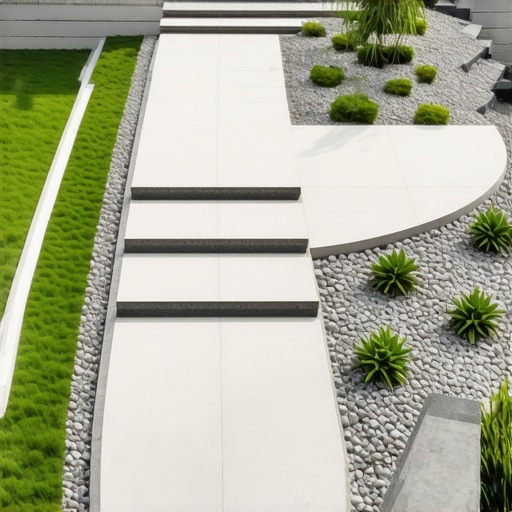
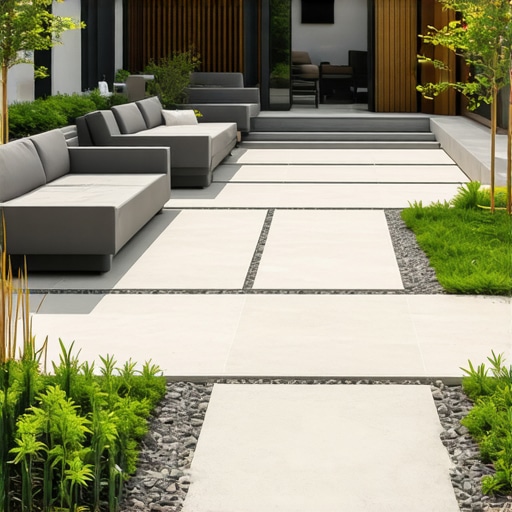
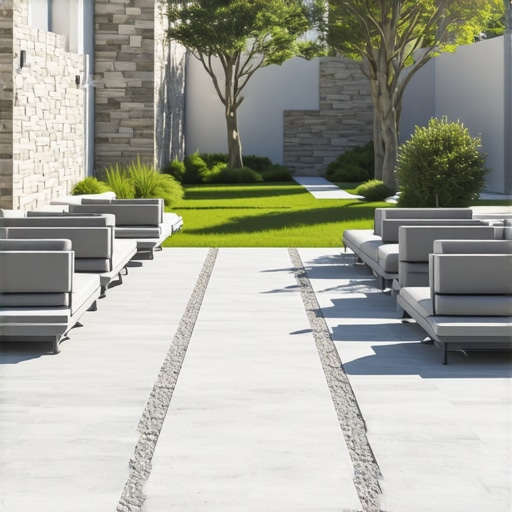
Reading this post really resonated with me, especially the part about proper foundation and installation. When I redesigned my backyard a few years ago, I underestimated how crucial the base layer is—and I ended up having to redo parts of it within a year because of shifting stones and uneven surfaces. Now, I always rent a plate compactor and take extra time to ensure the base is solid before laying pavers. It’s definitely worth the effort and cost upfront. I also started using more weather-resistant materials, like textured concrete, which hold up well in my climate. My question is, how do others balance the initial investment with long-term durability? Do you find it better to spend more initially on high-quality materials and professional installation, or do you prefer DIY for smaller projects? I’d love to hear about your experiences and tips for making smart, lasting choices in hardscaping.