How to Repair 2026 Concrete Driveway Cracks Like a Pro
How to Repair 2026 Concrete Driveway Cracks Like a Pro
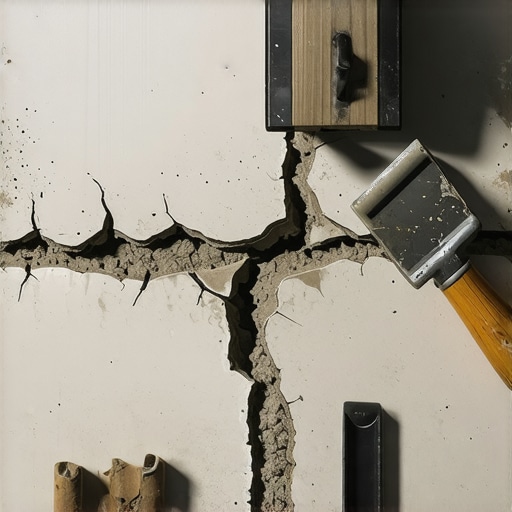
Concrete is not a static material; it is a rigid, brittle sponge that lives and dies by the quality of the soil underneath it. Most homeowners look at a driveway crack and see an aesthetic nuisance, but I see a symptom of hydraulic failure or sub-grade incompetence. If you ignore a quarter-inch fissure today, you are essentially inviting water to lubricate the sub-base and turn your $15,000 slab into a series of disconnected concrete islands. In 2026, the technology for repair has moved far beyond the cheap, brittle caulking found at big-box hardware stores. We are now in the era of high-elongation polyureas and structural carbon fiber stitching.
The Autopsy of a Failing Slab
Repairing 2026 concrete driveway cracks requires a forensic understanding of hydrostatic pressure, sub-base compaction, and thermal expansion coefficients to ensure the repair bond survives seasonal freeze-thaw cycles. Most failures occur because the original installer skipped the compaction of the modified gravel base or failed to account for soil plasticity. I recently got called out to tear up a $30,000 patio and driveway section that was sinking because the previous contractor thought he could just pour over


![Build a $150 2026 Gravel Parking Pad [Weekend Fix]](https://lawnmajesty.com/wp-content/uploads/2026/05/Build-a-150-2026-Gravel-Parking-Pad-Weekend-Fix.jpeg)