Stop 2026 Lawn Grubs with This Organic Solution
The Forensic Autopsy: Identifying the 2026 Grub Infestation Before the Collapse
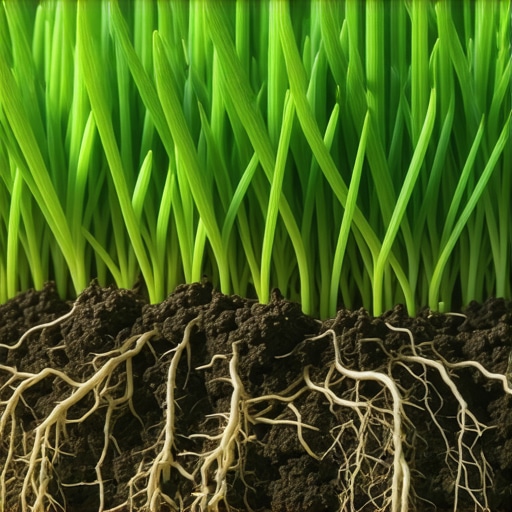
To identify the 2026 lawn grubs early, look for spongy turf and localized yellowing that does not respond to deep irrigation. If you can peel back your sod like a loose carpet, you have a high-density infestation of larvae, likely Popillia japonica or Rhizotrogus majalis, consuming the critical root systems. This structural failure is often misdiagnosed as drought stress, but the mechanical separation of the grass from the soil is the definitive diagnostic marker for grub activity.
I recently walked a site where a homeowner had effectively torched three thousand square feet of premium turf by dumping five times the recommended rate of synthetic neonicotinoids. The lawn was not just dead: it was sterilized. He had killed every earthworm and predatory ground beetle in the soil, creating a biological vacuum. When the next wave of Japanese Beetles arrived, there were no natural predators left. The result was a chemical nightmare where the soil smelled like a refinery and the grass looked like straw. This is why we move toward organic solutions: we are building an ecosystem, not a laboratory experiment. If you ignore the biology of your yard, you are just renting green grass until the next disaster strikes.
How do I know if I have grubs or just dry grass?
Grub damage is distinguished by the ‘tug test.’ If the grass pulls up easily without roots attached, grubs have severed the connection. Dry grass will remain anchored even if the blades are brown. Check for increased skunk or raccoon activity, as these predators will tear up patches of turf to feast on the larvae hiding in the root zone. Professional management requires a square-foot count: peel back a 12×12 inch section. If you see more than six to ten larvae, immediate intervention is required. Less than that, and a healthy lawn can typically outgrow the damage through aggressive root development.
“A lawn with high organic matter and diverse microbial life is significantly more resilient to pest pressure than a chemically dependent monoculture.” – Penn State Agricultural Extension
The Biology of the Kill: How Organic Solutions Outperform Synthetics
The 2026 organic strategy relies on Beneficial Nematodes and Milky Spore to create a self-sustaining defense matrix in the rhizosphere. Unlike contact poisons that dissipate after a rain event, these biological agents hunt and parasitize the grubs, increasing their population as they feed on the pests. This process targets the instar stages of the beetle life cycle, specifically focusing on the late summer window when larvae are small and vulnerable near the soil surface.
We use Heterorhabditis bacteriophora (Hb) nematodes. These microscopic roundworms are the heavy artillery of organic lawn care. Once applied to moist soil, they seek out grubs using carbon dioxide trails. They enter the grub and release a symbiotic bacteria, Photorhabdus, which liquefies the internal organs of the larvae within 48 hours. The nematodes then reproduce inside the carcass and burst out to find new targets. This is not ‘natural’ in the sense of being weak: it is sophisticated biological warfare. Milky Spore (Bacillus popilliae) works similarly but focuses primarily on the Japanese Beetle. It creates a ‘milky’ disease in the grub’s blood, and once the grub dies, billions of new spores are released into your soil, providing protection for up to ten years.
What is the best month to apply organic grub control?
Timing is everything in entomology. For the 2026 season, your primary application window for nematodes is late July through early September. This is when the eggs have hatched and the first instar larvae are actively feeding near the surface. Applying in the spring is often a waste of capital: the grubs are in their third instar stage, which is too large and tough for most biological controls to penetrate effectively. You must hit them while they are young and the soil temperature is between 60 and 85 degrees Fahrenheit.
| Treatment Type | Target Stage | Residual Life | Soil Temp Requirement |
|---|---|---|---|
| Milky Spore | 1st – 2nd Instar | Up to 10 Years | 65F+ |
| Beneficial Nematodes | All Instar Stages | Seasonal (Requires Re-application) | 60F to 85F |
| Synthetic (Imidacloprid) | Preventative Only | 90 Days | N/A |
Execution Protocol: Engineering the Perfect Application
Successful organic grub control requires strict moisture management and UV protection during the application process. Nematodes are living organisms: if you spray them onto a dry lawn in the middle of a sunny Tuesday, they will be dead before they hit the thatch layer. You must treat this like a surgical procedure. Apply in the late evening or during a steady rain. The soil must be pre-saturated, and you must follow the application with at least a half-inch of irrigation to wash the nematodes down into the soil profile where the grubs live.
- Step 1: Core Aeration. Before applying organics, run a core aerator over the lawn to reduce compaction and open direct channels to the root zone.
- Step 2: Soil pH Adjustment. Ensure your pH is between 6.5 and 7.0. Acidic soil can inhibit the mobility of beneficial bacteria.
- Step 3: Pre-Hydration. Water the lawn for 30 minutes before application to ensure the nematodes do not get stuck in the thatch.
- Step 4: Evening Application. Use a hose-end sprayer or a dedicated tank with the filters removed: nematodes will clog fine mesh screens.
- Step 5: Post-Application Drench. Immediately water again. The goal is to get the organisms 2 inches deep.
“Soil compaction is the greatest ally of the lawn grub; it limits the movement of natural predators and stresses the turf roots.” – ICPI Hardscape and Soil Standards
The Maintenance Cycle: Preventing 2027 Failures
Once the 2026 grub population is neutralized, the focus shifts to cultural practices that discourage future infestations. Adult beetles prefer to lay eggs in short, frequently watered turf. By raising your mower height to 3.5 or 4 inches, you create a dense canopy that shades the soil, making it less attractive for egg-laying. This also encourages deep root growth, which allows the grass to withstand minor nibbling without showing signs of stress. Stop the ‘mow-and-blow’ habit of scalping the lawn every Saturday.
We also need to discuss hydrostatic pressure and drainage. Grubs thrive in soil that is consistently damp but not saturated. If your lawn has low spots where water collects, you are essentially building a nursery for Japanese Beetles. Proper hardscaping and grading are your best long-term defenses. Installing French drains or adjusting the pitch of your yard to move water away from the turf area will do more for your grub problem than any bag of chemicals ever could. Healthy turf is 90 percent engineering and 10 percent biology. Manage the water, manage the soil, and the grubs will find somewhere else to live. Do not skip the fall aeration. Do not skip the organic top-dressing. Keep the soil biology active, and the 2026 season will be the last time you ever have to worry about your lawn peeling up like a cheap rug.