![Stop 2026 Leaf Rust on Your Rose Bushes [Fix]](https://lawnmajesty.com/wp-content/uploads/2026/07/Stop-2026-Leaf-Rust-on-Your-Rose-Bushes-Fix.jpeg)
Stop 2026 Leaf Rust on Your Rose Bushes [Fix]
Identifying the 2026 Rose Rust Pathogen: A Forensic Analysis
Rose rust is a fungal disease caused by the Phragmidium genus, characterized by orange pustules on the undersides of rose leaves that eventually turn black as they transition into the overwintering teliospore stage. To fix this, you must interrupt the spore lifecycle through aggressive sanitation, airflow management, and soil chemistry adjustments. I have spent two decades looking at soil through a magnifying glass, and I can tell you that most people treat the symptom while ignoring the source. You see orange dust and reach for a spray bottle. That is your first mistake. The real fight happens in the leaf litter and the top two inches of your soil profile. If you don’t manage the rhizosphere and the microclimate around the plant, you are just wasting money on chemicals.
The Chemical Nightmare: A Cautionary Tale
A homeowner called me in a panic after they completely torched their front lawn and rose garden by applying a high-nitrogen turf fertilizer and an unbuffered copper sulfate spray during a 90-degree heatwave. They thought they were being proactive against leaf rust, but instead, they created a phytotoxicity disaster. The excess nitrogen pushed out soft, succulent new growth that was even more susceptible to fungal penetration, and the copper scorched the foliage because the stomata were wide open during the heat. We had to perform an emergency soil flush and apply a layer of high-quality humates to rescue the soil biology. It was a $5,000 mistake that could have been avoided with a simple soil test. Don’t be that person. Understanding the NPK ratio and the timing of your interventions is the difference between a thriving garden and a chemical graveyard.
“Fungal spores like rust require specific leaf wetness durations to germinate, often as little as two to four hours in optimal temperatures between 60 and 70 degrees Fahrenheit.” – Agricultural Extension Agronomy Manual
The Spore Cycle: Why 2026 Prevention Starts in 2025
Preventative rose care for the 2026 season requires eradicating overwintering spores from the garden design area before the first spring thaw. The spores, specifically teliospores, survive the winter on fallen leaves and infected canes. If you leave that debris on the ground, you are essentially building a nursery for next year’s infection. Most ‘mow-and-blow’ contractors will just mulch those leaves right back into the soil. That is professional negligence. You need to physically remove every scrap of organic matter from the base of the rose bush. This isn’t about aesthetics; it is about pathogen load reduction. I tell my crews that if they see a single orange leaf on the ground in November, they haven’t finished the job. You have to be surgical about it.
[image_placeholder_1]
How do you identify rose rust early?
Early rose rust detection begins with inspecting the lower leaves for tiny, pale yellow spots on the upper surface, which correspond to bright orange pustules on the underside. By the time the orange dust is visible, the fungal mycelium has already colonized the internal leaf tissue. Check your plants every three days during damp spring weather. Look at the leaves closest to the ground first. That is where the hydrostatic pressure from rain splashes spores upward. If you catch it here, you can stop the spread. If you wait until the whole bush looks like it was dusted with Cheeto powder, you have lost the season. Speed is everything.
| Treatment Method | Active Ingredient | Application Timing | Pros/Cons |
|---|---|---|---|
| Organic Prevention | Neem Oil / Sulfur | Dormant Season | Safe for bees; can burn in heat |
| Systemic Fungicide | Myclobutanil | Active Growth | Long-lasting; potential resistance |
| Cultural Control | Sanitation / Pruning | Year-round | Hard work; most effective long-term |
Soil Engineering: The Foundation of Fungal Resistance
Soil health is the primary defense against leaf rust because a plant with optimal nutrient uptake can produce thicker cell walls that resist fungal penetration. High potassium levels are particularly critical for strengthening the cellular structure of Rosa species. I often see gardens where the soil is magnesium-deficient, leading to weak plants that practically invite disease. You need to stop guessing and start measuring. A soil pH of 6.5 is the sweet spot for nutrient availability. If you are sitting at a 5.5, your roses are starving even if you are dumping fertilizer on them. Adjust your soil grading to ensure no water pools at the base of the plant. Standing water is a literal highway for spores.
“A retaining wall doesn’t fail because of the stone; it fails because of the water trapped behind it, and a rose bush fails for the same reason: poor drainage creates a humid microclimate ripe for infection.” – Hardscape Engineering Axiom
How much modified gravel do I need for a patio base?
While seemingly unrelated, hardscaping drainage is vital; for a stable base, you need a minimum of 4 to 6 inches of compacted 2A modified gravel beneath your pavers to prevent water wicking into nearby planting beds. If your patio doesn’t drain properly, it will dump excess moisture into your rose garden. This creates the exact high-humidity environment that Phragmidium thrives in. Every part of your landscaping is connected. You cannot have a healthy garden next to a poorly engineered hardscape. The water has to go somewhere. Make sure it isn’t going into your roses.
The Restoration Blueprint: Step-by-Step Remediation
The remediation process for a rusted rose garden involves a total environmental reset to lower the spore count to manageable levels. This is a forensic cleanup. You are not just gardening; you are decontaminating a site. Follow this checklist strictly. No shortcuts.
- Defoliation: Strip all infected leaves, even those still hanging on. Do not compost them. Bag them and move them off-site.
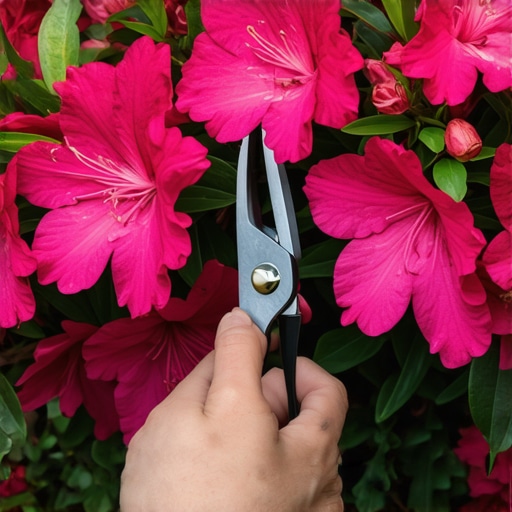
- Pruning: Cut back any canes showing dark, cankered areas. Use bypass pruners and dip them in 70% isopropyl alcohol between every single cut to prevent cross-contamination.
- Dormant Spray: Apply a lime-sulfur spray to the bare canes and the surrounding soil during the winter. This kills the resting spores.
- Mulching: Apply a fresh 2-inch layer of shredded hardwood mulch in early spring. This creates a physical barrier between the soil-borne spores and the new leaves.
- Irrigation Audit: Switch to drip irrigation. Overhead watering is the number one cause of rust outbreaks in residential lawn care.
Professional Maintenance: Keeping the 2026 Bloom Clean
Maintaining a rust-free garden requires a shift from reactive spraying to proactive cultural management and horticultural monitoring. You have to be the warden of your yard. Check the USDA hardiness zone recommendations for your specific rose variety. If you are growing a rose that isn’t rated for your humidity levels, you are fighting a losing battle. Sometimes the best ‘fix’ is to rip out a susceptible variety and replace it with a disease-resistant cultivar. It is a tough pill to swallow, but 20 years in the dirt has taught me that you can’t out-spray bad genetics. Focus on air circulation. Thin out the center of the bush to allow wind to dry the leaves quickly. Dry leaves don’t rust. It is that simple. Clean your tools. Feed your soil. Watch the weather. That is how you win.