5 2026 Best Perennials for Modern Urban Yards
The Foundation of Urban Perennial Success
Modern urban yards fail not because of plant choice, but because of foundational ignorance regarding soil engineering and the urban heat island effect. I always drill into my new crew members: if you don’t fix the soil grading and structural integrity first, every plant you put in the ground is just expensive compost. You can buy the most genetically superior 2026 perennial cultivars on the market, but if you drop them into compacted 8.0 pH urban fill dirt, they will be dead before the first frost. Most contractors see a yard as a canvas; I see it as a pressurized biological system where oxygen exchange and drainage determine the ROI of your landscaping budget.
“Soil compaction in urban environments often exceeds 1.5 grams per cubic centimeter, which physically restricts root elongation and reduces the available pore space for essential gas exchange.” – Agronomy Field Manual
1. Baptisia Australis (False Indigo) for Structural Resilience
Baptisia australis remains a top 2026 perennial for urban yards because its deep taproot system allows it to withstand significant drought and high-alkalinity soil common in city environments. Once established, this plant produces a massive root mass that anchors soil and fixes nitrogen, improving the micro-biology of the surrounding area without the need for synthetic inputs. It is a slow-starter. Don’t expect a show in year one. By year three, the shrub-like habit provides a structural anchor for smaller perennials. It requires zero staking if grown in full sun, avoiding the floppy mess created by over-fertilization.
2. Amsonia Hubrichtii (Arkansas Bluestar) and Soil Texture
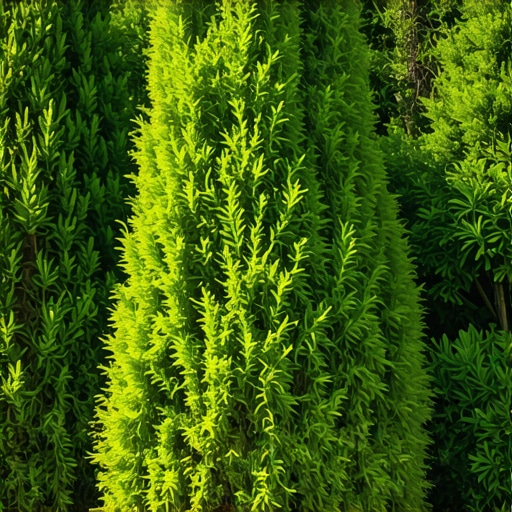
The Amsonia hubrichtii is selected for 2026 urban designs due to its unique feathery foliage that breaks up the hard angles of modern hardscaping and concrete. Beyond aesthetics, it is a workhorse that handles the 100-degree radiating heat from brick walls and asphalt driveways better than almost any other herbaceous perennial. It thrives in well-drained soil but is surprisingly tolerant of the occasional heavy rain event common in urban gutter-overflow zones. You must plant these at a density of 18 inches on center to allow for adequate airflow and prevent powdery mildew in humid corridors.
3. Schizachyrium Scoparium (Little Bluestem) for Low-Input Landscapes
Schizachyrium scoparium, specifically the ‘The Blues’ or ‘Standing Ovation’ cultivars, provides the verticality and drought tolerance required for the high-exposure environments of modern urban rooftops and pocket gardens. This native grass avoids the invasive tendencies of Miscanthus species while providing critical winter interest and habitat. It requires poor soil. If you amend your soil with too much organic matter or nitrogen, this grass will lodge and fall over. It is the ultimate anti-lazy-landscaping plant. It forces you to respect the existing soil chemistry rather than trying to override it with chemicals.
| Plant Species | Ideal Soil pH | Drought Tolerance | Mature Height | Root Structure |
|—————|—————|——————-|—————|—————-|
| Baptisia | 6.0 – 7.5 | High | 36-48 inches | Deep Taproot |
| Amsonia | 5.5 – 7.0 | Moderate | 24-36 inches | Woody Rhizome |
| Schizachyrium | 5.0 – 8.0 | Extreme | 24-48 inches | Fibrous/Deep |
| Echinacea | 6.0 – 7.0 | High | 18-36 inches | Taproot |
| Sporobolus | 6.0 – 8.0 | Extreme | 15-24 inches | Dense Bunch |
4. Echinacea Pallida (Pale Purple Coneflower)
The Echinacea pallida is the superior choice for 2026 over the more common Purpurea variety because its narrower leaves and deeper taproots are biologically tuned for high-stress urban sites. These plants are not just for pollinators; they are indicators of soil health. If they start yellowing, your soil is likely anaerobic from over-watering. Modern urban garden design often involves raised beds where the drainage is too fast. This species thrives in those exact conditions, pulling moisture from deep within the substrate during the peak of July heat when the top three inches of soil are bone dry.
How much modified gravel do I need for a patio base?
To calculate modified gravel for a patio base, multiply the square footage by the depth (usually 4 to 6 inches for pedestrian use) and divide by 27 to get cubic yards. For a standard 200-square-foot patio at 6 inches deep, you need approximately 3.7 cubic yards of 2A modified stone compacted in 2-inch lifts. Don’t eyeball this. Compaction is non-negotiable for longevity.
5. Sporobolus Heterolepis (Prairie Dropseed)
Sporobolus heterolepis is the most sophisticated choice for modern urban edging because it maintains a tidy, mounded form that never looks unkempt. In the context of 2026 landscaping trends, it acts as a living mulch, shading the soil surface to reduce evaporation and suppress weed germination. It is slow to establish, often taking three years to reach full maturity, but it can live for decades. I tell my clients: buy it for the scent (like buttered popcorn) and keep it for the lack of maintenance. Cut it back once a year in late winter and leave it alone.
Do urban gardens need special soil?
Urban gardens require engineered soil mixes that prioritize drainage and aeration because native urban dirt is often contaminated with heavy metals or excessively compacted by construction equipment. A mix of 60% sandy loam, 25% compost, and 15% expanded shale or perlite provides the necessary structure to prevent root rot in high-density plantings.
“Perennial roots require a minimum of 10% air-filled porosity to maintain the metabolic processes necessary for nutrient uptake.” – Texas A&M AgriLife Extension
The Engineering of a Successful Planting Bed
Installing these perennials is not about digging a hole and dropping them in. It is about site preparation. Follow this checklist to ensure your 2026 perennials survive the first season:
- Test soil pH and adjust with elemental sulfur or lime three months before planting.
- Excavate to a depth of 12 inches to break up the hardpan layer.
- Install a drip-line irrigation system with emitters placed 6 inches from the plant crown.
- Apply 2 inches of hardwood mulch, but never touch the plant stem (preventing crown rot).
- Check for root girdling in nursery pots and perform surgical root pruning if necessary.
Failure to follow these steps results in the ‘tea-cup effect’ where water sits in the hole and drowns the plant. It will rot. There is no middle ground in urban drainage.