5 2026 Best Perennials for Modern High-End Yards
The Engineering of High-End Garden Design
Modern high-end landscaping begins with topographic surveying and hydrological planning to ensure that perennial beds do not become drainage basins. Proper planning involves mapping underground utilities, calculating hydrostatic pressure for adjacent hardscapes, and selecting plant cultivars that match the specific micro-climate solar exposure of the site.
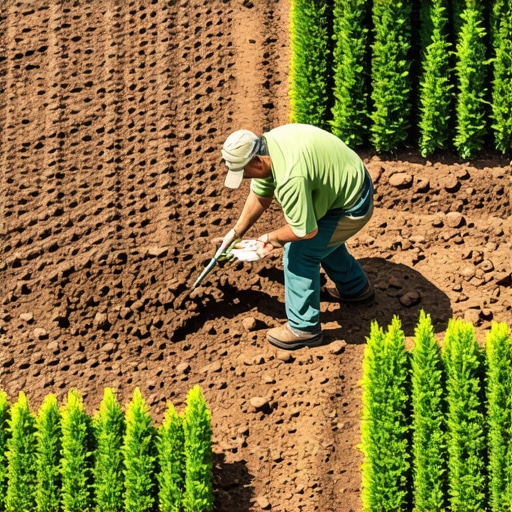
I always drill into my new crew members: if you don’t fix the soil grading first, every plant you put in the ground is just expensive compost. I have seen guys spend six figures on specimen trees only to watch them drown in a basin of heavy clay because they ignored the five-degree slope leading toward the house foundation. Landscaping is not a decoration; it is an infrastructure project that happens to be alive. You start with the dirt. You check the compaction. You look at how the water moves after a two-inch rain event. If the water stays for more than four hours, you don’t have a garden; you have a swamp that will kill anything with a root system. We use laser levels to ensure the subgrade is sloped exactly 2 percent away from all hard structures before the first shovel of topsoil even touches the site.
Soil Preparation: The Foundation of 2026 Perennial Success
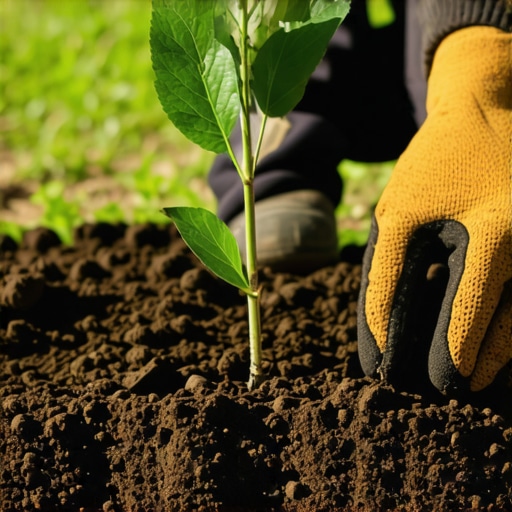
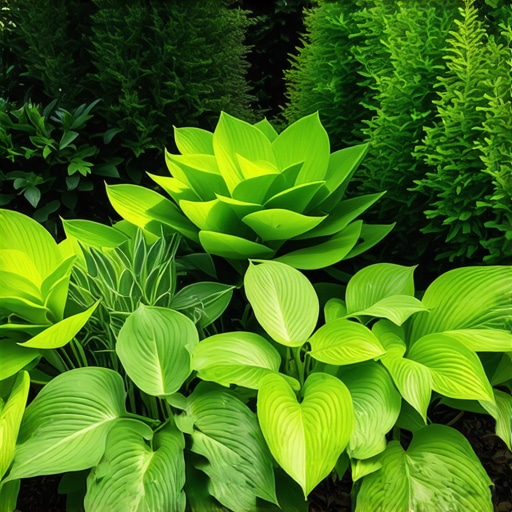
High-end perennial success in 2026 requires subsurface soil engineering, focusing on cation exchange capacity (CEC) and soil structure rather than just surface mulch. Modern yards demand a base of organic compost mixed with expanded shale to prevent root rot in compacted suburban clays.[IMAGE_PLACEHOLDER]
The biggest mistake I see is people buying premium plants and putting them into ‘dead’ soil. Soil is a biological engine. In high-end residential construction, the heavy machinery often compacts the earth to a Standard Proctor Density that is closer to concrete than a growing medium. This eliminates the macro-pores necessary for oxygen to reach the roots. To fix this, we don’t just till; we perform deep-earth fracturing. We incorporate coarse organic matter to build a soil structure that allows for rapid drainage while maintaining moisture at the capillary level. We look for a pH balance between 6.2 and 6.8 for most perennial varieties. If the pH is off, the plant can sit in a sea of nutrients and still starve because the chemical bonds won’t release the minerals.
“The physical properties of a soil, particularly its pore space and structure, are more critical for long-term perennial health than its initial nutrient content.” – Penn State Extension
What is the best soil pH for modern perennial gardens?
Most high-performance perennials thrive in a slightly acidic to neutral range, typically between 6.0 and 7.0. This range ensures optimal bioavailability of micronutrients like iron and manganese, which are essential for the metabolic processes of long-lived perennial species in managed landscapes.
The 5 Best Perennials for 2026 Modern Yards
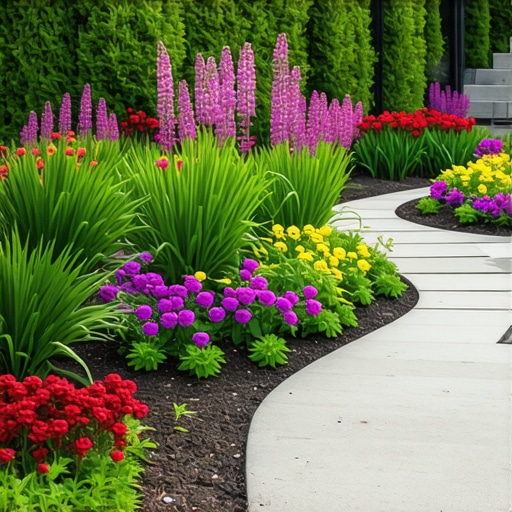
Selecting the 2026 best perennials involves prioritizing genetic resilience, extended phenological interest, and low-input maintenance profiles. These selections represent the pinnacle of horticultural breeding, offering structural integrity and pest resistance that outperform traditional nursery stock in high-density, modern residential soil environments.
| Plant Species | Root System Type | Soil Preference | 2026 Design Role |
|---|---|---|---|
| Baptisia ‘Sparkling Sapphires’ | Deep Taproot | Well-drained Loam | Structural Anchor |
| Amsonia hubrichtii | Fibrous/Woody | Sandy to Silt Loam | Textural Softening |
| Echinacea ‘Sombrero’ | Fibrous | High Porosity | Color Saturation |
| Schizachyrium ‘Blue Heaven’ | Deep Fibrous | Low Nutrient/Dry | Vertical Rhythm |
| Helleborus ‘Wedding Party’ | Rhizomatous | Moist/Rich | Early Season Interest |
1. Baptisia ‘Sparkling Sapphires’ (False Indigo): This is a beast of a plant. It features deep taproots that can reach three to four feet into the ground. This makes it incredibly drought-resistant once established. Do not move it. Once that taproot is set, it stays there. It fixes nitrogen in the soil, which actually improves the area for surrounding plants. 2. Amsonia hubrichtii (Arkansas Blue Star): We value this for the architectural foliage. It looks like a soft, feathery cloud for most of the year, then turns a brilliant burnt orange in the fall. It is virtually pest-free and deer-resistant. 3. Echinacea ‘Sombrero’ Series: Forget the floppy old coneflowers. These have been engineered for a compact, sturdy habit. They don’t require staking. They need high-porosity soil; if they sit in wet feet over winter, the crown will rot. 4. Schizachyrium scoparium ‘Blue Heaven’ (Little Bluestem): A native grass that provides the verticality modern designs crave. It stays upright even in heavy snow. Its roots are massive, often reaching 8 feet deep, making it a champion of soil stabilization. 5. Helleborus ‘Wedding Party’ Series: For the shaded corners of the estate. These bloom when there is still snow on the ground. They are leathery, tough, and ignore the local deer population. They need a soil rich in organic matter and consistent moisture but never standing water.
Hardscaping and Drainage Integration
The integration of hardscaping and softscaping requires strict adherence to ICPI standards for base compaction and ASTM D448 for aggregate sizing. Engineering these zones prevents paver shifting and ensures that nutrient runoff from hard surfaces is captured and filtered by the adjacent perennial biological filter strips.
You cannot separate the patio from the garden. Every square foot of non-permeable surface creates runoff. In a high-end yard, we use French drains and 57-stone gravel reservoirs beneath the perennial beds to handle this volume. If you build a beautiful bluestone patio and don’t account for where the water goes, you will blow out the root zones of your perennials or, worse, heave your stone. We use non-woven geotextiles to keep the fines from the soil from clogging our drainage aggregates. This is the difference between a yard that looks good for a year and one that looks better after a decade. It will rot if you don’t vent the moisture. Soil gas exchange is just as important as water drainage. We often install aeration pipes in deep-set beds to ensure oxygen reaches the lower soil horizons.
“Effective landscape drainage must move water away from structural foundations while simultaneously maintaining the capillary fringe required for root respiration.” – Hardscape Engineering Axiom
How much modified gravel do I need for a patio base?
A standard pedestrian patio requires a minimum of 4 inches of compacted 21A or 3/4-inch modified gravel base. For high-end installs with heavy stone or potential vehicle traffic, this base must be increased to 6 or 8 inches, compacted in 2-inch lifts to ensure maximum structural density.
Maintenance: Proactive Ecosystem Management
Maintaining high-end perennial gardens requires a transition from reactive gardening to proactive ecosystem management. This involves integrated pest management (IPM), annual soil chemistry audits, and precision irrigation calibration to maintain the root zone at optimal volumetric water content without inducing anaerobic conditions.
- Soil Testing: Conduct a professional lab test every two years. Don’t guess on NPK levels.
- Irrigation: Use drip lines, not overhead sprays. Water deeply and infrequently to force roots downward.
- Mulching: Never exceed 2 inches. Avoid the ‘mulch volcano’ around plant crowns; it induces fungal decay.
- Pruning: Leave the seed heads of grasses and Echinacea for winter interest and bird forage.
- Airtation: If the soil feels like a brick, use a liquid aerator or a core aerator in the spring.
Precision is everything. We use smart controllers that monitor local weather stations. If the forecast says rain, the system stays off. Over-watering is the number one killer of high-end perennials. It causes the root cells to burst and invites pathogens like Phytophthora. You want the soil to be damp like a wrung-out sponge, not a wet rag. Consistency is the key to preventing plant stress. Stress leads to pheromone release, which attracts every pest in a three-mile radius. Healthy plants have a natural defense system; your job is to provide the environment that keeps that system operational. Don’t skip the spring cleanup. Remove dead foliage to prevent overwintering diseases from taking hold. This is the professional standard.