Stop 2026 Rose Aphids with Organic Wash Techniques
The Forensic Autopsy of a Rose Aphid Infestation
Rose aphids (Macrosiphum rosae) are soft-bodied insects that compromise plant health by extracting phloem sap, leading to stunted growth and viral transmission. Professional management in 2026 focuses on high-pressure organic washes and biological disruption rather than broad-spectrum synthetic neurotoxins which decimate local pollinator populations and soil health. When you see those distorted terminal leaves and the sticky sheen on your rose bushes, you aren’t just looking at a nuisance; you are looking at a structural failure in your garden’s immune system.
A homeowner called me in a panic after they completely torched their front lawn and rose garden by applying a concentrated agricultural-grade pesticide they bought online. They thought more was better. Instead of killing the aphids, they burned the foliage to a charcoal-black crisp and effectively sterilized the soil biology. This ‘chemical nightmare’ could have been avoided with a basic understanding of insect physiology. I had to explain that they had effectively destroyed the predatory insect population—the very ladybugs and lacewings that provide free pest control. We had to spend three months remediating the soil with compost tea and mycorrhizal inoculants just to get the pH back to a range where a rose could survive.
Understanding the Macro-Biology of Macrosiphum Rosae
Before you reach for a sprayer, you need to understand what you are fighting. Aphids are biologically designed for rapid colonization. Through a process called parthenogenesis, female aphids can produce live young without mating. This leads to exponential population growth that can overwhelm a plant in 72 hours. They use needle-like mouthparts called stylets to pierce the plant’s epidermis and tap into the vascular system. Specifically, they target the phloem, where the plant transports sugars produced during photosynthesis.
“Aphid populations are often driven by the nitrogen content of the host plant; excessive nitrogen fertilization creates succulent, thin-walled growth that is easily exploited by sucking insects.” – University of California Integrated Pest Management Manual
The sticky residue they leave behind is called honeydew. This is not just a mess; it is a substrate for sooty mold (Capnodium). This black fungus blocks sunlight, further reducing the plant’s ability to photosynthesize. Furthermore, aphids are often ‘farmed’ by ants. Ants will protect aphid colonies from predators in exchange for the sugary honeydew. If you see ants marching up your rose canes, your aphid problem is being managed by a secondary security force that you must also neutralize.
How do I identify aphid damage on roses?
Visual identification of aphid damage includes leaf curling, yellowing (chlorosis), and stunted terminal buds where the insects congregate to feed on the most tender tissue. You will often see the cast-off white skins of molting aphids on the leaf surfaces before you see the green or pink insects themselves. Check the undersides of leaves and the crevices of new buds daily during the spring flush. If the stems feel tacky, you have a high-density infestation that requires immediate mechanical intervention.
What is the best pressure for washing aphids off plants?
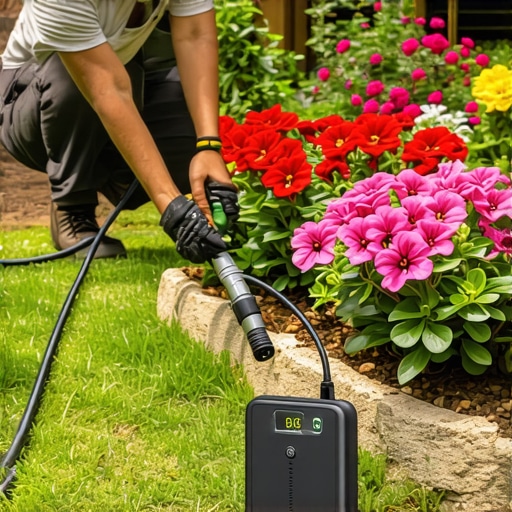
The ideal pressure for an organic aphid wash is between 40 and 60 PSI, which is the standard pressure of a well-regulated residential hose bib. This pressure is sufficient to dislodge the aphids’ delicate mouthparts from the plant tissue without tearing the rose’s cuticle or breaking the canes. Use a precision brass nozzle with a focused ‘fan’ or ‘jet’ setting. Aim the stream directly at the colonies, ensuring you hit the undersides of the leaves where aphids seek shelter from the sun and predators.
[image_placeholder]
The Professional Wash Protocol: Step-By-Step
I tell my crew every day: a tool is only as good as the hand holding it. You can’t just spray water randomly and expect results. You need a systematic approach. First, you must address the soil. Aphids love plants that are stressed by high nitrogen or low water. I check the soil moisture with a tensiometer before I even touch the leaves. If the plant is wilted, its cell walls are already compromised. We saturate the root zone first to ensure the plant has the turgidity to withstand a high-pressure wash.
| Method | Pressure (PSI) | Frequency | Impact on Beneficials |
|---|---|---|---|
| Clear Water Blast | 40-60 | Every 48 hours | Negligible |
| Potassium Fatty Acids | 20-30 | Weekly | Low |
| Horticultural Oil | 15-20 | Every 14 days | Moderate |
| Neem Extract (Azadirachtin) | 15-20 | Every 14 days | Moderate |
Once the plant is hydrated, we start the wash from the bottom up. This prevents aphids from simply dropping to lower leaves. We use a sweeping motion, focusing on the ‘axils’—the points where the leaf meets the stem. This is where aphids hide. After the physical wash, we often apply a 1% solution of insecticidal soap (potassium salts of fatty acids). This doesn’t poison the insect; it dissolves their waxy outer coating, causing them to dehydrate and die. It is a physical kill, not a chemical one. This is why it works so well in an organic program.
Engineering the Landscape to Prevent Outbreaks
High-end garden design isn’t just about aesthetics; it’s about ecological balance. I refuse to install ‘monocultures’ of roses. That is just an all-you-can-eat buffet for pests. We interplant roses with Allium, Nepeta (Catmint), and Lavandula. These plants produce volatile organic compounds that mask the scent of the roses, making it harder for winged aphid ‘scouts’ to find their targets. This is what we call ‘Integrated Pest Management’ or IPM.
“Sustainable pest management relies on the manipulation of the garden environment to favor natural enemies and discourage pest colonization through physical and biological barriers.” – Pennsylvania State Agricultural Extension
We also look at the hardscaping around the garden. Concrete heat sinks can raise the ambient temperature of a garden bed by 10 degrees, which accelerates aphid reproduction cycles. We use organic mulch like shredded cedar or pine bark instead of stone mulch to keep the root zones cool and the humidity levels stable. A cool, hydrated plant is a resistant plant. Don’t let a ‘mow-and-blow’ contractor tell you that rocks are better because they are low maintenance. Rocks cook your plants and invite the bugs.
The 2026 Rose Maintenance Checklist
- Weekly Inspection: Check the terminal buds and leaf undersides for ‘honeydew’ or cast skins.
- Soil Testing: Conduct a professional soil test every spring to ensure nitrogen levels aren’t excessive.
- Watering Schedule: Deliver 1-1.5 inches of water per week directly to the root zone, never the foliage.
- Pruning: Remove any heavily infested ‘blind wood’ or deadheads to improve airflow through the canopy.
- Physical Barrier: Apply a ring of sticky barrier tape to the base of the rose canes if ant-tending is observed.
- Organic Wash: Blast the plant with clear water every 2-3 days during the peak spring growth surge.
It will rot. If you leave that honeydew on the leaves during a humid week, the sooty mold will take over and you’ll be looking at a defoliated bush by July. Don’t skip the wash. Landscaping is about persistence. You are the apex predator in your garden. Use the hose. Use the soap. Keep the chemistry in the lab and out of your soil. Your roses, your groundwater, and your local bees will thank you for it. The goal is a resilient system where the plants can defend themselves. If you build the soil right and manage the water, the aphids become a minor footnote rather than a catastrophe.