The $50 Fix for a Muddy Dog Run using Cedar Chips
The Physics of the Mud Pit: Why Your Dog Run Failed
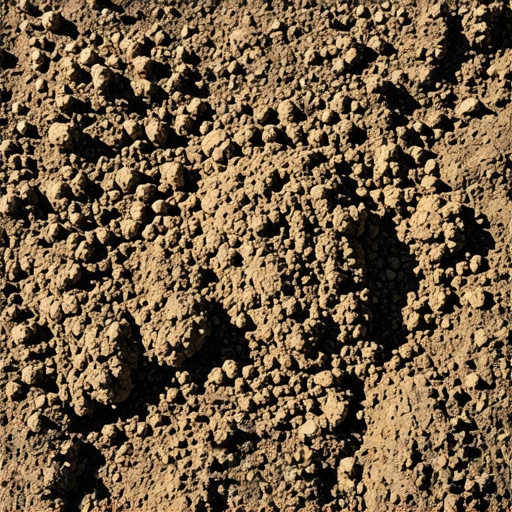
A muddy dog run occurs when soil compaction eliminates the macropores required for drainage, creating a saturated layer of silt and clay. High traffic from pets destroys the vegetative cover, leaving the subgrade exposed to hydrostatic pressure and perpetual moisture retention. I always drill into my new crew members: if you don’t fix the soil grading first, every plant you put in the ground is just expensive compost. This applies to your dog run too. Most homeowners see a mud hole and think they just need more grass. They are wrong. Once your soil is compacted by 60 pounds of canine muscle hitting the same four-square-foot area every morning, the soil structure is gone. It is dead. You are no longer dealing with a lawn; you are dealing with a drainage problem. The mud you see is a slurry of organic matter, nitrogen-heavy urine, and anaerobic bacteria. It smells because it cannot breathe. To fix it for $50, we have to stop thinking like a gardener and start thinking like a civil engineer. We need to create a permeable surface that can handle the sheer force of a dog’s paw without turning into a liquid. Cedar chips are the secret, not because they are pretty, but because of their cellular geometry and chemical composition.
“Proper soil grading is the most critical factor in managing surface water runoff and preventing saturated subgrades that lead to structural failure of the landscaping.” – Penn State Extension
Why Cedar Chips Beat Other Mulches
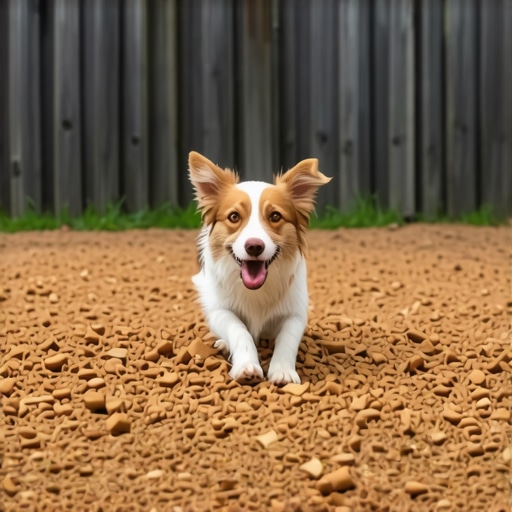
Cedar chips contain natural thujone oils, which act as a pesticide against fleas and ticks while resisting fungal decay. Their fibrous structure creates a “matting” effect that distributes weight across the surface, preventing the mulch from sinking into the muddy subgrade. If you use standard hardwood mulch, it will rot in six months. It turns into a nitrogen-sucking sponge that breeds gnats. Cedar is different. It is a softwood with high resin content. It resists moisture. In my 20 years of hardscaping, I have seen people try to use pea gravel in these spots. Don’t do it. Unless you are installing a high-end French drain system with a filter fabric, that gravel will simply disappear into the mud like it was never there. Cedar chips stay on top because they have a lower specific gravity and a jagged edge that locks the pieces together. This is called mechanical stabilization. It’s the same reason we use angular stone for driveway bases instead of round river rock. The edges matter. For $50, you can usually pick up a half-yard of bulk cedar chips or about 15 bags of high-quality cedar. That is enough to cover a 100-square-foot run to a depth of two inches, which is the minimum threshold for effective moisture management.
Are cedar chips safe for dogs’ paws?
Cedar chips are generally safe for dog paws, provided you select natural wood chips rather than shredded bark. Shredded bark can contain splinters and finer dust particles that irritate sensitive paw pads or become lodged between toes. Chips are larger and more rounded during the chipping process. They provide a stable surface without the sharp edges found in pine nuggets or recycled wood waste. Some dogs might have an allergy to the aromatic oils, but this is rare. The benefit of flea and tick repulsion usually outweighs the risk. Keep an eye on your pet for the first 48 hours. If there is no redness, you are in the clear. Avoid any product that is dyed red or black. Those dyes are often carbon-based or iron-oxide-based, and while technically non-toxic, they will stain your dog’s paws and your living room carpet. Stick to the raw, blonde cedar.
How deep should cedar chips be for a dog run?
For an effective dog run, you must maintain a depth of 2 to 3 inches of cedar chips to ensure proper moisture filtration. Anything less than 2 inches will allow the dog’s weight to push the chips through the muddy surface, mixing the wood with the soil and rendering the fix useless within weeks. If you go deeper than 4 inches, you create a trip hazard and make it difficult to pick up solid waste. You want just enough depth so that the water can pass through the chips and hit the soil surface at a slower rate, allowing the ground to absorb it without becoming a soup. This is about managing the rate of infiltration. Think of it as a vertical filter. The chips catch the debris and the initial impact of the rain, then slowly release the water into the subgrade.
| Material | Cost per 100 Sq Ft | Drainage Rating | Pet Safety |
|---|---|---|---|
| Cedar Chips | $45.00 – $60.00 | High | High |
| Pea Gravel | $150.00 – $250.00 | Medium | Medium (Heat) |
| Pine Straw | $30.00 – $45.00 | Low | Medium |
| Rubber Mulch | $300.00 – $500.00 | Zero | Low (Heat/Toxins) |
The Blueprint: Step-by-Step Remediation
You cannot just throw wood chips on top of a swamp and expect a miracle. You have to prep the site. First, you need to remove the “slurry” layer. This is the top inch of liquid mud and dog waste that has accumulated. If you leave it, the bacteria will rot your cedar from the bottom up. Use a flat-nosed shovel. Scrape it down to the firm soil. Next, check your grade. You need a 2% slope away from your house or any nearby structures. That is a 1/4 inch drop for every foot of distance. If the water has nowhere to go, it will sit under your chips and turn them into a floating raft. Once you have your slope, you don’t need expensive landscape fabric. In a high-traffic dog run, fabric often becomes a tripping hazard when the dog digs and catches a claw in the mesh. Instead, we rely on the depth of the cedar. Pour your chips and rake them level. Don’t use a leaf rake; use a metal garden rake with hard tines. You want to consolidate the material. Pack it down by walking over it. If the chips feel spongy, you need more. They should feel firm underfoot. This is the difference between a hack job and a professional install. A professional understands that compaction is the enemy of soil but the friend of a walking surface.
“The selection of wood mulches, specifically cedar, provides natural resistance to decay and insect infestation, making it a superior choice for high-moisture contact areas.” – U.S. Forest Service Wood Handbook
- Call 811 before any digging, even if it is just a one-inch scrape.
- Remove all existing weeds and debris from the 10×10 area.
- Ensure the subgrade has a 2 percent slope for water runoff.
- Apply a minimum of 15 bags (2 cubic feet each) of cedar chips.
- Edge the area with pressure-treated 2x4s or plastic bender board to keep chips contained.
Maintaining the Dry Run
Nothing is permanent. In twelve to eighteen months, those chips will begin to break down. This is actually a good thing. As they decompose, they add organic matter back into the soil, which helps rebuild the soil structure you destroyed. However, for the dog run to remain functional, you need to top it off. Spend another $20 next year on five or six bags to fill in the low spots. Pick up solid waste daily. If you leave waste to dissolve into the chips, you are just inviting flies and neutralizing the natural scent of the cedar. If the area starts to smell, you can sprinkle a little agricultural lime over the soil before you add new chips to help neutralize the pH from the nitrogen in the urine. Do not overdo it. A light dusting is all it takes. Keep it simple. Keep it dry. Your dog’s paws will thank you, and your mud-streaked floors will be a thing of the past. It will work. Don’t skip the prep.