Stop 2026 Tree Bark Damage with Proper Tree Guard Secret
Why Bark Protection is the Foundation of 2026 Landscape Longevity
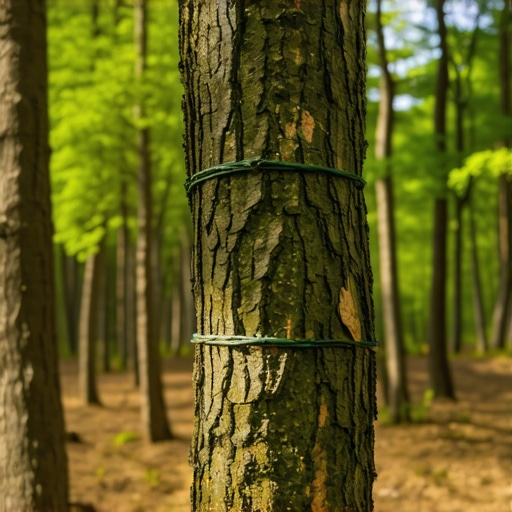
Tree bark protection is achieved by installing physical barriers and breathable guards that prevent mechanical injury, rodent girdling, and thermal stress on the vascular cambium. By implementing these systems before the 2026 growth season, you ensure the structural integrity of the tree and prevent the mortality spiral often triggered by secondary fungal infections. I always drill into my new crew members: if you don’t fix the soil grading first, every plant you put in the ground is just expensive compost. I remember an apprentice who thought he was being thorough by wrapping a young oak in tight plastic. Six months later, we pulled it off to find the trunk was a rotting mess of fungal cankers because the moisture couldn’t escape. The bark isn’t just a skin; it is a sophisticated biological shield that regulates temperature and protects the flow of nutrients. If you choke it or trap water against it, you are effectively murdering the specimen. We do not build landscapes for the photo op; we build them for the next thirty years. That means understanding the microscopic reality of the phloem and xylem layers before you ever pick up a shovel. Every nick from a weed whacker or a hungry rabbit is a breach in the tree’s armor that can lead to 100 percent canopy loss within three seasons.
“The cambium is a thin layer of generative tissue between the bark and the wood; if this layer is destroyed around the entire circumference, the tree will die because it cannot transport nutrients.” – International Society of Arboriculture (ISA) Manual
How do you protect tree trunks from lawn mowers?
The most effective way to protect tree trunks from lawn mowers is to establish a 3-foot radius mulch ring and install a perforated plastic guard. This physical offset ensures the mower deck never contacts the root flare, eliminating mechanical scarring and soil compaction near the base. 80 percent of the work happens before you buy a single plant or paver. You have to analyze the site. Is the soil a heavy clay with a pH of 8.2? If so, your tree is already stressed and its bark will be thinner and more prone to cracking. We look at the hydrostatic pressure in the surrounding landscape. If your yard drains toward the tree, the bark at the base will stay saturated, leading to collar rot. We treat every tree installation as a civil engineering project. You must ensure the root flare—that widening at the base of the trunk—is visible above the soil line. If it is buried, the bark will stay moist, soften, and eventually fail. This is the secret the “mow-and-blow” hacks won’t tell you because they want to sell you a replacement tree in two years. We use high-quality nursery stock, not the root-bound garbage from big-box stores. When you buy a tree from a reputable grower, the bark is already hardened to the local USDA Hardiness Zone, which for many of our clients means surviving -10 degree Fahrenheit dips without frost cracking.
Material Selection: Comparing Protective Barriers
Selecting the right material for a tree guard requires balancing UV resistance, airflow, and mechanical strength. Using the wrong wrap, like non-breathable plastic during a humid summer, creates a microclimate that invites borer insects and phytophthora. Use this table to evaluate your 2026 protection strategy:
| Guard Type | Primary Material | Best For | Expected Lifespan |
|---|---|---|---|
| Spiral Guard | White Polyethylene | Sunscald and Rabbits | 2-3 Seasons |
| Wire Mesh | 19-Gauge Galvanized | Deer and Mechanical Damage | 5-10 Years |
| Kraft Paper Wrap | Biodegradable Paper | Temporary Winter Protection | 1 Season |
| Expanded Metal | Powder-Coated Steel | High-Traffic Hardscapes | 20+ Years |
When we install these, the tamper should literally bounce off the compacted base if we are working near a hardscape. We don’t want the ground settling and pulling the guard down into the root zone.
“Sunscald occurs when the dormant cambium is heated by the sun and then killed by a rapid drop in temperature; white guards reflect this solar energy.” – University of Minnesota Extension
How much modified gravel do I need for a patio base?
To calculate modified gravel, multiply the square footage by the depth in feet (usually 0.5 feet for 6 inches) and divide by 27 to get cubic yards. For a standard 200-square-foot patio, you will need approximately 3.7 cubic yards of 21A or 411 crushed stone to ensure a stable, non-heaving foundation. Even when the focus is on tree guards, you cannot ignore the surrounding hardscape. If you are building a patio near a specimen tree, the screed pipes and polymeric sand must be managed so they do not alter the soil chemistry or drainage patterns. A tree guard won’t save a trunk if the surrounding patio is leaching high-alkaline runoff into the root zone. We use French drains to divert water away from the trunk flare. This prevents the freeze-thaw cycles from expanding the water trapped against the bark, which is a primary cause of vertical bark splitting in young maples and fruit trees.
The Step-by-Step Installation Protocol
The installation of a tree guard must be precise to avoid trunk girdling. If the guard is too tight, it will restrict the phloem, effectively starving the roots. Follow this checklist for a professional-grade install:
- Expose the Root Flare: Remove excess soil or mulch until the flare is visible.
- Measure Diameter: Ensure the guard is at least 2 inches wider than the current trunk.
- Check for Pests: Clean the bark surface of any existing insect egg masses.
- Apply Guard: Position the guard from 1 inch below the soil line to the first branch scaffold.
- Secure with Slack: Use zip ties or wire, leaving at least 1 inch of “growth room.”
- Verify Drainage: Ensure the guard has perforations for gas exchange.
The guard should be a secondary defense. The primary defense is proper irrigation management. We use drip-line irrigation set to deliver 1 inch of water per week, delivered deep into the soil profile. This forces the roots to chase the water downward, creating a more stable tree. Shallow watering leads to surface roots that eventually push up against the bark and cause girdling roots. You have to think about the biology. In the winter of 2026, the sun will hit the south side of your trees. Without a white spiral guard to reflect that heat, the cells will wake up, only to be flash-frozen at night. That is how you get a dead tree by May. It is a simple fix, but 90 percent of homeowners skip it. Don’t be that guy. Use a soil probe to check moisture levels at a 6-inch depth. If the soil is bone dry, the bark will be more susceptible to desiccation. We keep our maintenance schedules tight. In year one, we check the guards every six months. If the tree has put on more than 0.5 inches of caliper growth, we loosen the ties. It will rot if you leave it too tight. Don’t skip this. Landscaping is a game of inches and PSI. We compact our bases to 95 percent Standard Proctor Density, and we expect our tree protection to meet that same level of engineering rigor.
![Stop Killing 2026 Lavender: 3 Clay Soil Drainage Fixes [Zone 7]](https://lawnmajesty.com/wp-content/uploads/2026/05/Stop-Killing-2026-Lavender-3-Clay-Soil-Drainage-Fixes-Zone-7.jpeg)
![Stop Overwatering Your 2026 Tomato Crop [Drainage Fix]](https://lawnmajesty.com/wp-content/uploads/2026/07/Stop-Overwatering-Your-2026-Tomato-Crop-Drainage-Fix.jpeg)