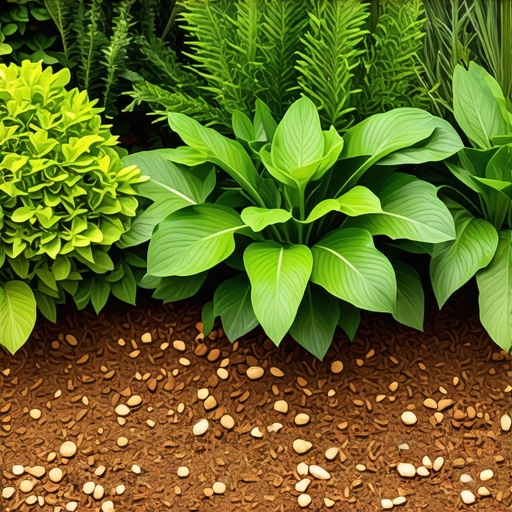
Best 2026 Mulch for Keeping Termites Away
The Forensic Autopsy: A $40,000 Mistake in the Flower Beds
I recently stood in a crawlspace in a high-end neighborhood, staring at a floor joist that had the structural integrity of a wet cracker. The homeowner had spent a fortune on ‘designer’ dyed hardwood mulch two years prior, piling it six inches deep right against the cedar siding. They created a climate-controlled, all-you-can-eat buffet for subterranean termites. The mulch held the moisture, the moisture softened the rim joist, and the termites did the rest. This isn’t a freak accident; it is the inevitable result of prioritizing aesthetics over engineering. If you think the bag of $3 mulch from the big-box store is a bargain, wait until you see the quote for a structural carpenter. Landscaping is the first line of defense for your home’s envelope. Get it wrong, and you are literally building a bridge for pests to invade your biggest investment. It will rot. Don’t skip the science. I always drill into my new crew members: if you do not understand the moisture-wicking properties of your ground cover, you aren’t a landscaper; you’re a hazard.
Why Traditional Mulch is a Termite Buffet
Standard organic mulches create a high-humidity microclimate and a consistent food source of cellulose that attracts subterranean termites. When these materials are placed in direct contact with a foundation, they provide a protected thermal blanket that allows pests to bypass chemical soil barriers and enter the structure undetected. The primary issue isn’t just that termites eat the mulch; it’s that the mulch provides the moisture-rich environment necessary for their survival near your home. Most ‘mow-and-blow’ contractors dump mulch to hide poor grading, which only accelerates the problem.
“Termites require a constant source of moisture and protection from desiccation, which poorly managed mulch provides in abundance.” – Entomology Research Bulletin
The 2026 Top Picks for Pest-Resistant Ground Covers
Cedar heartwood and Melaleuca mulch are the gold standards for 2026 because they contain natural volatile oils like thujone that actively repel or are toxic to termites. Unlike sapwood, which is high in sugars and attractive to pests, true heartwood is the dense, inner part of the tree that serves as a biological barrier. If you are using a mulch mix that includes shredded pallets or ‘forest products,’ you are effectively inviting an infestation. You need materials with high lignin content and low palatability.
| Mulch Material | Termite Resistance | Longevity | Moisture Retention |
|---|---|---|---|
| Cedar Heartwood | High (Thujone content) | 2-3 Years | Moderate |
| Melaleuca (Tea Tree) | Very High | 3-4 Years | Low |
| Rubber Mulch | Absolute (Inorganic) | 10+ Years | Zero |
| Pine Bark Nuggets | Moderate (Lignin) | 1-2 Years | High |
What is the best mulch to use around a house foundation?
For foundation-adjacent beds, cedar heartwood or inorganic stone are the only acceptable choices because they do not provide the cellulose-rich environment required by termites. Use a 6-inch clearance between the top of your mulch layer and any wood siding or stucco to ensure a visual inspection gap for termite mud tubes. This gap is non-negotiable. If you bury your siding, you’re asking for trouble.
Does rubber mulch attract termites more than wood?
Rubber mulch does not attract termites because it contains no cellulose, the primary food source for these insects. However, because it still provides shade and moisture retention for the soil beneath, it can still harbor pests if the soil grade is not properly managed with a vapor barrier or landscape fabric. It is a physical barrier, not a biological one.
The Engineering of the “No-Fly Zone”: Installation Rules
Successful pest-resistant landscaping requires a multi-layered defense strategy that starts with the soil grade and ends with the material choice. You cannot simply throw good mulch over bad dirt.
- Establish a 6-inch Inspection Strip: Use pea gravel or decorative stone in the immediate 6 inches surrounding the foundation.
- Monitor Soil pH: Termites prefer slightly acidic soil; keeping your soil neutral can discourage colony establishment.
- Never Exceed 3 Inches: Deep mulch causes root rot and creates deep moisture pockets for pests.
- Maintain the Grade: Ensure the ground slopes away from the house at a 5% minimum incline to prevent water pooling.
- Clear Debris: Remove all buried wood, construction scraps, and old stumps before mulching.
“A retaining wall doesn’t fail because of the stone; it fails because of the water trapped behind it, much like mulch fails when it traps moisture against a foundation.” – Hardscape Engineering Axiom
Chemical Realities: Borates and Botanical Repellents
While the internet tells you to use cinnamon or vinegar, professional-grade borate-treated mulches are the only chemically enhanced options worth the investment. Borates are inorganic salts that interfere with the termite’s ability to digest food. When combined with Melaleuca, which is naturally resistant due to its high terpenoid content, you create an environment that is biologically hostile to foragers. In my 20 years, I’ve seen that natural repellency always outlasts surface-sprayed chemicals that wash away in the first heavy rain. You want the defense built into the cellular structure of the mulch. Pine bark nuggets are a decent second-tier choice only because their high lignin-to-cellulose ratio makes them harder to digest than shredded hardwood, but they are still inferior to cedar. Do not buy the ‘triple-shredded’ garbage; it decomposes too fast and creates a nitrogen-depleted soil that stresses your plants and attracts scavengers.
The Maintenance Protocol: Year-One and Beyond
Mulch is not a ‘set it and forget it’ product. As it breaks down, it loses its allelochemical properties and becomes soil. Once mulch turns into soil, its pest-resistance is gone. You must scarify the surface every six months to break up the hydrophobic crust and check for mud tubes. If you see white, thread-like structures in the mulch, that’s mycelium (good); if you see earthen tubes climbing your concrete, that’s termites (bad). Every spring, rake back the old material to ensure the depth hasn’t crept up. The goal is to keep the material aerated and dry at the surface level. Wet mulch is a failure. Dry, resinous mulch is a shield. Stick to the measurements. Keep it thin. Keep it heartwood. Anything else is just expensive compost for your house.
![3 Mistakes Killing Your 2026 Privacy Hedge [Zone 6]](https://lawnmajesty.com/wp-content/uploads/2026/06/3-Mistakes-Killing-Your-2026-Privacy-Hedge-Zone-6.jpeg)