Why Your Zoysia Grass is Still Dormant in Late Spring
The Physiological Hold: Why Your Zoysia Grass is Still Dormant
Your Zoysia grass remains dormant because the soil temperature hasn’t consistently hit the 65°F to 70°F range required for metabolic activity. Unlike cool-season grasses, Zoysia is a C4 carbon fixation plant that prioritizes root survival over leaf production until the ground warms deeply, regardless of how warm the air feels on a sunny April afternoon.
I always drill into my new crew members: if you don’t fix the soil grading first, every plant you put in the ground is just expensive compost. I saw this last week on a site where the homeowner was frantic because their Emerald Zoysia looked like dead straw while the neighbor’s Tall Fescue was screaming green. I had to take a soil probe and show them the 4-inch depth reading: 54 degrees. It doesn’t matter if it’s 80 degrees outside today; that turf is still in biological lockdown. Zoysia is smart. It won’t commit to new growth until it knows the risk of a late-season hard freeze has passed. If it pushed green tissue now and a frost hit, the cell walls would rupture, and you’d be looking at a total lawn replacement by June.
The Critical Role of Soil Temperatures in Turf Metabolism
Soil temperature is the true thermostat for your lawn care schedule. While air temperatures fluctuate wildly between day and night, soil has a high thermal mass and changes slowly. Zoysia grass, particularly varieties like Zeon or Meyer, requires a stable environment. When the soil is below 60°F, the plant’s enzymatic processes are essentially paused. This is a survival mechanism. The plant is conserving carbohydrates in its rhizomes and stolons.
| Turf Variety | Dormancy Breaking Temp (Soil) | Optimal Growth Temp (Soil) | Recovery Rate |
|---|---|---|---|
| Zoysia (Meyer/Zeon) | 65°F – 70°F | 80°F – 90°F | Slow to Moderate |
| Bermuda Grass | 60°F – 65°F | 85°F – 95°F | Fast |
| Tall Fescue | 40°F – 45°F | 60°F – 75°F | Moderate |
As the table above indicates, Zoysia is the last to the party. It waits for the heat. This delay is often exacerbated by thatch buildup. Thatch is a layer of organic debris, mostly lignin and cellulose from old stolons, that sits between the green blades and the soil surface. If that layer is more than 1 inch thick, it acts as an insulating blanket. It prevents the sun’s infrared radiation from penetrating the ground. In effect, a heavy thatch layer keeps your soil cold for two to three weeks longer than a clean lawn. It is a physical barrier to spring.
“Zoysia grass growth is heavily dependent on soil temperature rather than air temperature. Growth usually begins when soil temperatures at the 4-inch depth reach 65 degrees Fahrenheit.” – Texas A&M AgriLife Extension Service
How do I wake up my Zoysia grass in the spring?
To wake up Zoysia grass, you must increase sunlight penetration to the soil by scalping the lawn once the risk of frost has passed. Removing the brown, dead leaf tissue from last year allows the sun to warm the soil surface directly, accelerating the transition from dormancy to active growth.
The Forensic Autopsy of a Slow Green-Up
When I walk onto a property and see Zoysia that refuses to wake up in late May, I look for three specific failures: compaction, improper NPK timing, and drainage issues. Compaction is the silent killer in landscaping. If your soil is heavy red clay, it holds water longer. Water has a very high specific heat capacity, meaning it takes a massive amount of energy to warm up saturated clay. If your yard is a swamp, your grass is going to stay brown. You need oxygen in that soil profile to fuel the microbial activity that helps the plant transition.
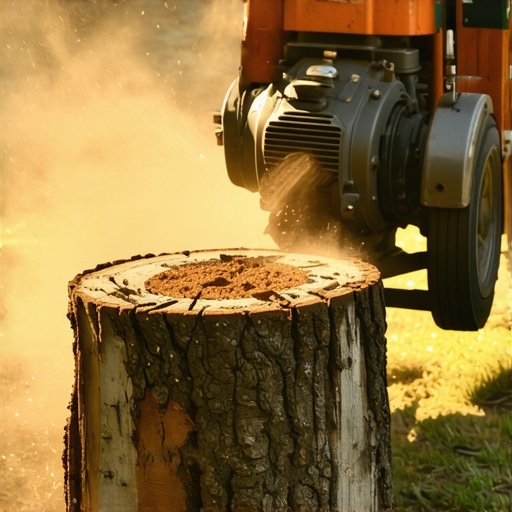
Core aeration is the remedy here. We aren’t talking about those useless spike aerators that just push the dirt to the side. You need a machine that pulls a 3-inch to 4-inch plug out of the earth. This reduces the bulk density of the soil and allows warm air to reach the root zone. I’ve seen aeration jump-start a dormant Zoysia lawn in less than seven days because it broke the thermal vacuum. It is a mechanical solution to a biological problem.
Will Zoysia turn green if it’s still brown in May?
Yes, Zoysia grass will turn green in May if the cumulative heat units reach the threshold. However, if the lawn is still completely brown by June, you may be dealing with Large Patch fungus or winter kill caused by desiccation or improper drainage during the winter months.
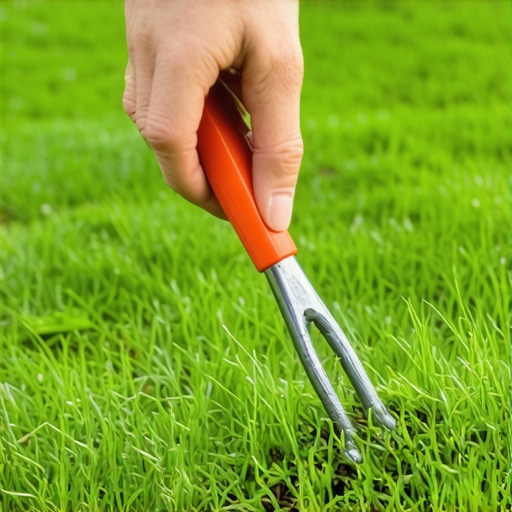
- Check for Thatch: Use a trowel to cut a small wedge. If the brown spongy layer is over 1 inch, you need a power rake.
- Monitor Soil Moisture: Squeeze a handful of dirt. If it drips, it’s too wet and too cold for Zoysia.
- Avoid Early Fertilizer: Putting down high-nitrogen fertilizer on dormant Zoysia only feeds the weeds and can cause chemical burn on the tender new shoots.
- Scalp Height: Drop your mower deck one or two notches for the first mow of the season to remove the old canopy.
- Check for Pests: Look for grubs or billbugs that may have chewed the root system over the winter.
Chemical Mismanagement and the Transition Period
One of the biggest mistakes DIY homeowners make in garden design and lawn care is the “Early Bird” syndrome. They see a 70-degree day in March and run to the big-box store for a bag of 32-0-4 fertilizer. This is a disaster. High nitrogen forces the plant to prioritize leaf growth over root health. If the soil is cold, the roots can’t support that new top growth. You are essentially asking the plant to run a marathon while it’s still asleep. This leads to “spring dead spot,” a fungal condition that thrives in the presence of excess nitrogen and cool, wet soil.
“Excessive nitrogen application in early spring can stimulate premature top growth, depleting the plant’s carbohydrate reserves and increasing susceptibility to environmental stress and disease.” – Penn State Center for Turfgrass Science
Instead of nitrogen, focus on potassium (the K in NPK). Potassium helps with cellular wall strength and water regulation. A 0-0-50 or a balanced 15-0-15 is a much safer bet for a transitioning Zoysia lawn. You want to support the plant, not force it. Precision in lawn care is about timing, not just volume. Hardscaping also plays a role here. If you have a large concrete patio or a stone retaining wall adjacent to your turf, that area will likely green up first. Stone and concrete act as heat sinks, absorbing solar energy during the day and radiating it back into the soil at night. This micro-climate effect can create a 5-degree difference in soil temperature, which is often enough to trigger early greening.
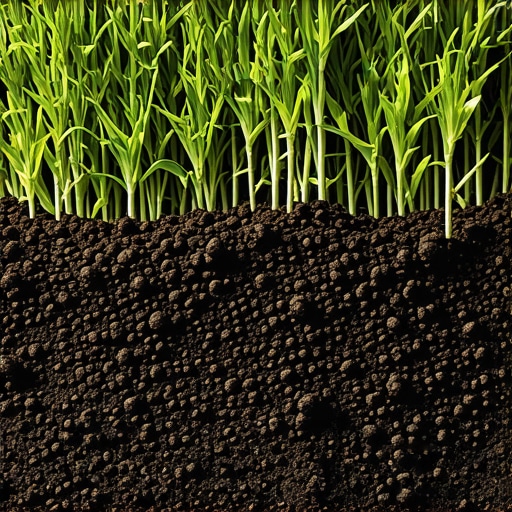
Finally, understand the anatomy of the Zoysia plant. It spreads via stolons (above-ground runners) and rhizomes (below-ground runners). In the spring, the plant is focused on the rhizomes. You won’t see the results on the surface for a while, but that doesn’t mean nothing is happening. If you pull a small plug and see white, fleshy roots, your lawn is healthy. If the roots are black or mushy, you have a drainage or fungal problem. It is that simple. Don’t let the brown color fool you into thinking the lawn is dead. It’s just waiting for the right moment. Patience is a tool, just like a shovel or a grader. Use it.
![Fix Your 2026 Brown Bermuda Grass [3 Steps]](https://lawnmajesty.com/wp-content/uploads/2026/06/Fix-Your-2026-Brown-Bermuda-Grass-3-Steps.jpeg)