
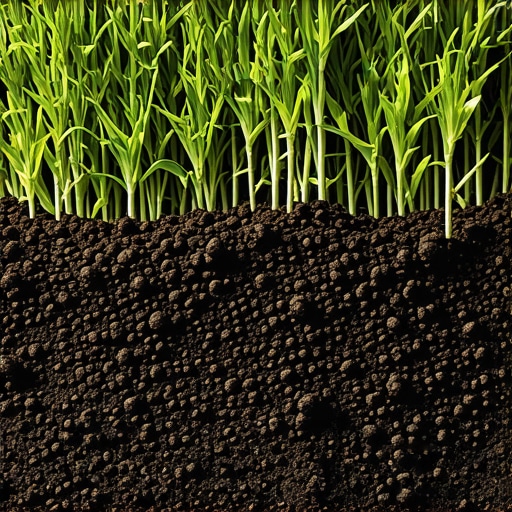
The Best Fertilizer for New Grass Seedlings
Why Most Homeowners Kill Their New Lawn Before It Starts
The best fertilizer for new grass seedlings is a dedicated starter fertilizer featuring a high phosphorus concentration, typically identified by an NPK ratio such as 10-18-10 or 12-24-14. These specific formulations prioritize root elongation and cellular development over rapid leaf blade growth during the critical first thirty days of establishment.
A homeowner called me in a panic after they completely torched their front lawn by applying a high-nitrogen ‘turf builder’ to a fresh seeding of Kentucky Bluegrass. I walked onto the property in late September, and it looked like someone had taken a flamethrower to the yard. The delicate, translucent stems of the new seedlings had literally melted under the chemical salt load. They thought ‘more nitrogen means more green,’ but in reality, they created a toxic soil environment that desiccated the root systems before they could even find a foothold. It was a $4,000 mistake that required a full soil remediation and a complete re-seed. Most people treat fertilizer like food, but for a seedling, it is more like a prescription drug; the wrong dose is lethal.
“A starter fertilizer for turfgrass should contain a high percentage of phosphorus to ensure that the young plants can develop a robust root system quickly, especially since phosphorus is relatively immobile in the soil profile.” – Penn State Center for Turfgrass Science
The Science of NPK for Young Turf
To understand what a seedling needs, you have to look at the three numbers on the bag: Nitrogen (N), Phosphorus (P), and Potassium (K). While an established lawn craves nitrogen for that deep green color, a seedling is a different biological animal. High nitrogen at the start forces ‘top growth’—the plant spends all its energy pushing a thin, weak blade upward. Meanwhile, the root system remains stunted. When the first heat wave or dry spell hits, the plant dies. Phosphorus is the engine of ATP production and energy transfer within the plant cell. It is the fuel for root branching. Potassium regulates water pressure and cell wall thickness. Without the right balance, your lawn is just expensive compost. Don’t skip the phosphorus. It is non-negotiable.
| Fertilizer Type | NPK Ratio Example | Primary Goal | Best Time to Use |
|---|---|---|---|
| Starter Fertilizer | 12-24-14 | Root Development | At time of seeding or 2 weeks after |
| Standard Maintenance | 28-0-3 | Green-up/Growth | Established lawns only |
| Winterizer | 18-0-12 | Carbohydrate Storage | Late Autumn |
| Organic Compost | 1-1-1 | Soil Biology | Anytime as top-dressing |
When should I put fertilizer on new grass seed?
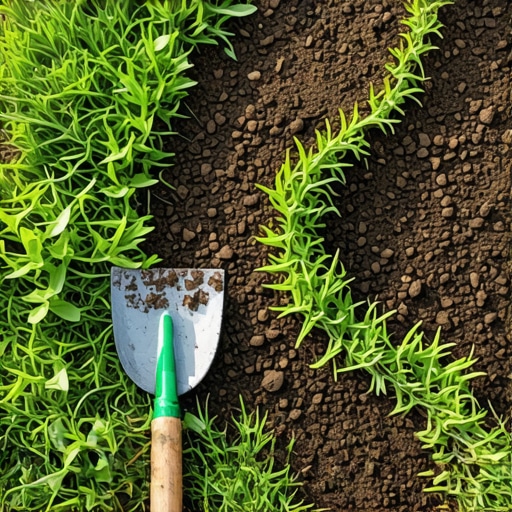
The optimal window for applying starter fertilizer is either immediately before seeding or within the first 14 days of germination. Professional installers often incorporate the fertilizer into the top two inches of soil during the final grading process to ensure the phosphorus is accessible to emerging roots.
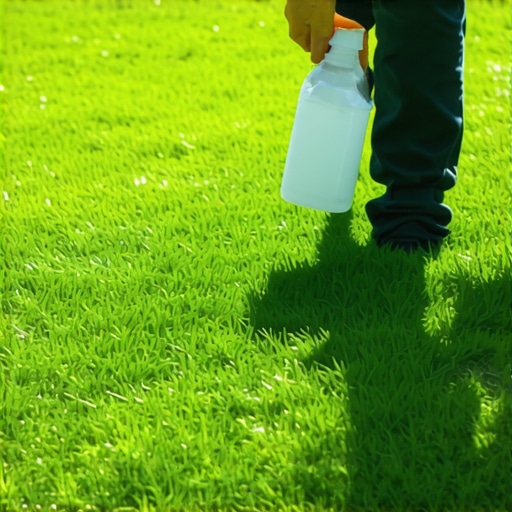
Phosphorus does not move through the soil like nitrogen does. If you just throw it on top of the thatch, it stays on top. You need that nutrient in the ‘root zone.’ I tell my crews that we are building a foundation, not painting a house. If you are retro-seeding an existing lawn, you should apply the fertilizer after core aeration. The holes created by the aerator act as direct conduits to the sub-soil. This ensures the nutrients are waiting for the seed the moment the radicle emerges. Timing is everything. Apply too late, and you miss the window of maximum root expansion. Apply too early without seed, and you are just feeding the weeds. Use a calibrated broadcast spreader. Never hand-toss. It leads to striping and chemical burns.
How much modified gravel do I need for a patio base?
While often asked during landscaping overhauls, if you are integrating hardscaping with your new lawn, remember that a standard patio base requires 6 inches of compacted 2A modified gravel. This depth ensures proper drainage and prevents the hydrostatic pressure that causes pavers to shift and disrupt the surrounding soil grading for your new grass.
Can you put too much starter fertilizer on new grass?
Excessive application of starter fertilizer leads to salt accumulation in the soil, which triggers osmotic stress and seedling desiccation. High concentrations of chemical salts pull moisture away from the tender seedling roots, causing the grass to wither and turn brown shortly after germination.
I have seen guys think that if a half-pound of nitrogen is good, two pounds must be better. It does not work that way. It is basic chemistry. Fertilizer is a salt. If the salt concentration in the soil is higher than the salt concentration in the plant cells, the water will actually be sucked out of the plant and back into the soil. This is known as ‘burning’ the lawn. You will see it first as a yellowing of the tips, followed by total collapse. If you suspect you have over-applied, the only fix is heavy irrigation to leach the salts out of the root zone. But do not drown it. Saturated soil lacks oxygen. No oxygen means no root respiration. It will rot. There is a fine line between a thriving lawn and a muddy graveyard.
“Phosphorus is essential for the transition from the vegetative stage to the reproductive stage in plants, and in turfgrass, it is the primary limiting factor for early seedling vigor and lateral spread.” – Texas A&M Agrilife Extension
The Professional Seedling Success Checklist
- Conduct a Soil Test: Check your pH levels first. If your soil is below 6.0, your seedlings cannot even absorb the phosphorus you are putting down.
- Select the Right Ratio: Look for a middle number (Phosphorus) that is at least 1.5 times higher than the first number (Nitrogen).
- Calibrate the Spreader: Test your equipment on a driveway first to ensure an even distribution pattern.
- Watering Protocol: Keep the soil surface moist but not muddy. Water three times a day for 5-10 minutes until the grass reaches 2 inches.
- Mow High: Do not touch the new grass with a mower until it reaches 3.5 inches. Ensure the blade is razor-sharp. Dull blades rip seedlings out of the ground.
Maintenance and Long-Term Soil Health
The transition from seedling fertilizer to standard maintenance occurs after the third mow, usually eight to ten weeks after germination. At this stage, the root system is deep enough to handle higher nitrogen loads and less frequent, deeper irrigation cycles to promote drought resistance.
Once the lawn is established, your focus shifts from building roots to maintaining density. I tell my clients that the first year is the hardest. The soil biology is still fragile. Do not go heavy on pre-emergent herbicides in the first six months; they can inhibit the root development of your new grass just as much as they stop weeds. Instead, focus on mechanical weed control and proper mowing height. A thick lawn is the best weed defense you have. If you keep the blades at 3.5 to 4 inches, you shade the soil and prevent weed seeds from germinating. It is a biological shield. Treat your soil like a living organism, because it is. If you feed the microbiology, the microbiology will feed the grass. Don’t be a hack. Do the math, test your soil, and respect the chemistry. It is the only way to get a professional result that lasts more than one season. No shortcuts. No excuses. Just science.
![Stop 2026 Nitrogen Burn on Yellow Fescue [3-Step Fix]](https://lawnmajesty.com/wp-content/uploads/2026/05/Stop-2026-Nitrogen-Burn-on-Yellow-Fescue-3-Step-Fix.jpeg)