Why Your Evergreen Trees are Turning Brown from the Inside Out
Understanding the Forensic Decay of Conifers
Evergreens turn brown from the inside out primarily due to seasonal needle drop, poor soil drainage, or spider mite infestations. While internal browning is often a natural part of the aging process where the tree sheds old needles, it can also signal root rot or vascular distress caused by improper planting depth.
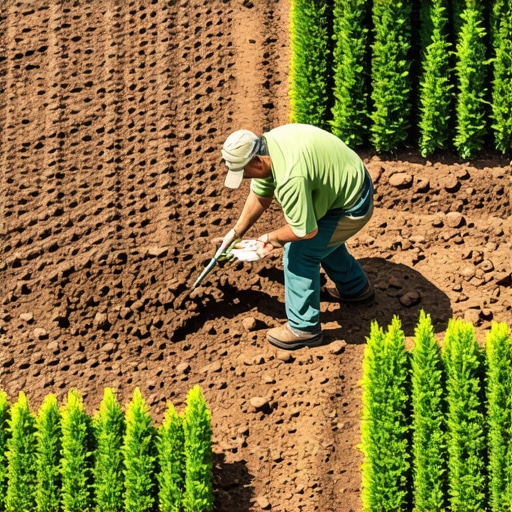
I always drill into my new crew members: if you don’t fix the soil grading first, every plant you put in the ground is just expensive compost. I remember a job last October where a homeowner spent four grand on White Pines only to watch them bronze and drop needles by December. They thought it was a blight. I looked at the base and realized the apprentice who did the job had buried the root flares under six inches of heavy clay. Those trees weren’t sick; they were suffocating. The lack of oxygen at the root zone prevents the uptake of essential micronutrients, forcing the tree to cannibalize its oldest interior needles to keep the new growth tips alive. It is a slow, mechanical death, and no amount of fertilizer will fix a tree that was planted like a fence post.
Why is the middle of my cedar turning brown?
If you see interior browning in the late fall, don’t panic. This is often the natural senescence of older foliage. Conifers aren’t permanent; they are perennial. Most species keep their needles for 2 to 5 years before shedding them to make room for new growth. However, if the browning is patchy or occurs in spring, you are looking at an environmental or biological stressor. [image_placeholder_1]
“Most evergreens naturally shed their oldest, innermost needles each year as part of a normal growth cycle. This occurs as the tree grows larger and the inner needles are shaded out, becoming less efficient at photosynthesis.” – University of Minnesota Extension
The Mechanical Failure: Root Flares and Hydrostatic Pressure
In high-end garden design and landscaping, we see trees failing because of what’s happening below the surface. Hardscaping projects often interfere with natural drainage. If you’ve installed a patio or a retaining wall near your evergreens, you’ve likely changed the hydrostatic pressure of the soil. Water that used to sheet off the lawn is now trapped behind a modified gravel base, drowning the roots. When roots sit in standing water, the fine root hairs—responsible for 90% of water absorption—die off. The tree then experiences drought symptoms despite being in wet soil. It is a paradox of arboriculture. Check the soil with a moisture meter at a 12-inch depth. If it’s a swamp, you need a French drain, not a fungicide.
Diagnostic Table: Internal Browning Causes
| Symptom | Primary Cause | Detection Method | Remediation |
|---|---|---|---|
| Uniform yellowing/browning | Seasonal Needle Drop | Late Fall timing; inner 1/3 of tree | None; natural process |
| Fine webbing, dusty needles | Spider Mites | Shake test over white paper | Horticultural oil or Miticide |
| Gummy cankers on branches | Cytospora Canker | Visual check for oozing sap | Prune 12 inches below infection |
| Wet, foul-smelling root zone | Phytophthora Root Rot | Soil excavation to check bark | Improve drainage; apply Phosphonate |
The Chemical Nightmare: Fertilizer and PH Imbalance
Stop buying cheap 10-10-10 fertilizer from big-box stores and dumping it around your trees. Over-application of nitrogen can cause salt burn, which pulls moisture out of the roots, leading to the exact interior browning you’re trying to prevent. Evergreens generally prefer a soil pH between 5.5 and 6.5. When the pH climbs too high (alkaline), the tree cannot access iron or manganese, leading to chlorosis. This isn’t just a lawn care issue; it’s a soil chemistry issue. You must test your soil before you treat it. Don’t guess; test.
How much water do evergreens need in winter?
Evergreens continue to transpire (lose water) throughout the winter, especially during windy days. If the ground is frozen and the tree hasn’t had enough hydration in the fall, it will suffer from desiccation. This shows up as browning on the windward side or deep internal needle drop. Give your trees a deep soak—exactly 1 inch of water per week—until the first hard freeze. This forces roots to chase the moisture down into the subsoil where it won’t freeze as quickly.
“Planting a tree too deep is the most common cause of long-term decline in urban landscapes. The root flare should always be visible at the soil surface to allow for gas exchange.” – International Society of Arboriculture (ISA)
Checklist for Evergreen Health Recovery
- Locate the root flare; if you can’t see where the trunk widens at the soil, excavate the excess dirt immediately.
- Perform a ‘Shake Test’ for mites: Hold a white piece of paper under a brown branch and strike the limb. If tiny dots crawl, you have mites.
- Inspect the mulch layer: Mulch should be 2-3 inches deep but never touching the bark of the tree.
- Check the drainage: Ensure that hardscaping or patio runoff isn’t pooling around the drip line.
- Prune dead wood: Use sterilized shears to remove any branches with active fungal cankers.
The Biological Lane: Pests and Fungi
When you see internal browning that moves from the bottom branches upward, you’re likely dealing with a fungal pathogen like Rhizosphaera needle cast. This is common in Spruce trees planted in areas with poor air circulation. In the landscaping world, we often see this when homeowners plant trees too close together to create a privacy screen. They want an instant wall, but what they get is a stagnant environment where humidity stays trapped. Airflow is just as important as sunlight. If the needles stay wet for more than 48 hours, the fungus will win. Space your trees based on their mature width, not their current size. Don’t be a hack. Plan for the future.